


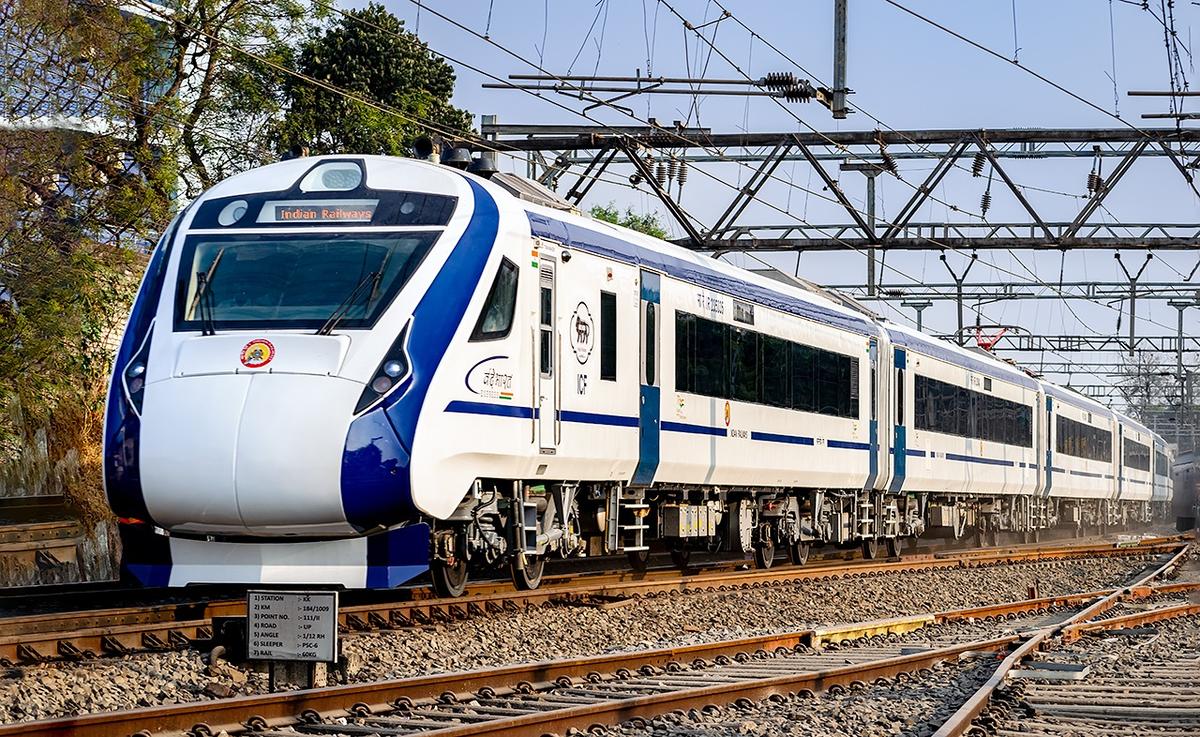
New Delhi — Indian Railways has outlined plans to manufacture 260 next-generation Vande Bharat sleeper trainsets, signalling a strategic shift toward modernising long-distance rail travel while easing capacity pressures on one of the world’s largest passenger networks. The move reflects a growing policy emphasis on rail-led mobility as a lower-carbon alternative to road and air travel, with implications for urban connectivity, regional economies, and transport-oriented development.
Unlike the semi-high-speed Vande Bharat chair car services currently operating on short and medium routes, the sleeper variants are designed for overnight journeys across major inter-city corridors. According to senior railway officials, the programme aims to replace ageing conventional rolling stock with energy-efficient trainsets capable of higher speeds, improved safety standards, and enhanced passenger comfort. Industry experts note that long-distance rail remains the backbone of mobility for millions of people, particularly those travelling between large metros and emerging regional centres. However, capacity constraints and outdated coaches have increasingly limited service quality. The introduction of modern sleeper trainsets is expected to reduce travel times while improving reliability, a factor that can reshape commuting patterns and strengthen economic linkages between cities. From an infrastructure perspective, the manufacturing plan supports the railways’ broader push towards indigenisation and domestic supply chains. Rolling stock factories and private manufacturing partners are expected to see sustained demand over multiple years, creating skilled employment and stabilising capital investment in rail-linked industrial clusters. Transport economists suggest this could have multiplier effects for allied sectors such as steel, electrical systems, and digital signalling.
Urban planners also point to the wider land-use implications. Faster and more predictable overnight rail services can make secondary cities more attractive for businesses and residents, easing population pressure on megacities. Improved rail connectivity often encourages transit-oriented development near stations, supporting compact, mixed-use urban growth rather than car-dependent sprawl. Environmental considerations are central to the shift. Rail transport has a significantly lower carbon footprint per passenger kilometre compared to aviation or private vehicles. Transport policy analysts argue that modern sleeper trains, if supported by reliable timetables and last-mile connectivity, can draw travellers away from short-haul flights and long road journeys, contributing to national climate goals without compromising accessibility.
The programme, however, will require parallel investments in track upgrades, signalling systems, and maintenance depots to fully realise performance gains. Infrastructure specialists caution that rolling stock modernisation alone cannot deliver network-wide efficiency unless bottlenecks on high-density routes are addressed. Looking ahead, the sleeper train initiative represents a recalibration of India’s passenger rail priorities — balancing speed, comfort, and sustainability. Its success will depend on execution timelines, fare accessibility, and integration with urban transport systems, all of which will determine whether long-distance rail can remain a people-first, climate-resilient mobility option for a rapidly urbanising country.
Also Read: Delhi NCR Fog Slows Vande Bharat Operations
Indian Railways Boosts Long Distance Rail Capacity
