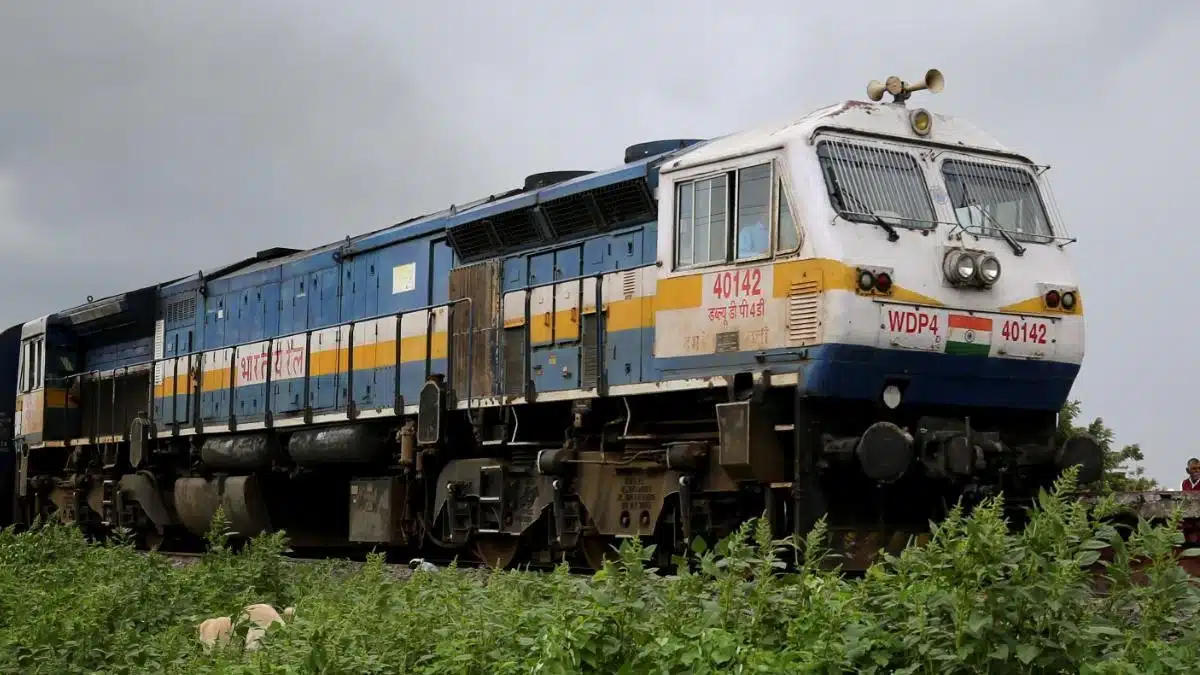
Indian Railways is preparing for a significant surge in intercity travel this March by substantially expanding its festive operations across the national network. In response to rising seasonal demand, the rail operator has planned more than 1,400 additional passenger services during the Holi period, with scope to further scale up operations depending on booking trends. The move reflects the growing dependence of India’s urban and semi-urban population on rail mobility during major festivals.
The expanded schedule is designed to ease congestion on high-demand corridors connecting large metropolitan regions with smaller cities and towns. Transport planners say such festival-driven peaks place immense pressure on existing rail capacity, especially on routes serving labour migration, education hubs, and regional economic centres. By deploying additional services, Indian Railways aims to reduce overcrowding, improve safety, and ensure predictable travel during one of the busiest travel windows of the year. Operational plans indicate a higher allocation of special trains across zones serving western, central, and southern India, reflecting strong outbound demand from cities such as Mumbai, Ahmedabad, Hyderabad, and Nagpur. Officials involved in operations noted that a mix of air-conditioned, sleeper, and unreserved coaches has been planned to cater to varied income groups, underlining the railway system’s role as the most inclusive mode of long-distance transport in the country.
Compared to last year’s festive operations, the current plan represents a marked increase in scale. Transport analysts attribute this to rising urban populations, greater workforce mobility, and sustained post-pandemic recovery in long-distance travel. Cities with expanding construction activity, industrial clusters, and service-sector employment continue to generate seasonal travel spikes during cultural festivals. Beyond train operations, rail zones have activated station-level crowd management protocols at major terminals. These include designated holding areas, extended ticketing facilities, digital queue monitoring, and additional staffing for passenger assistance. Security and surveillance measures have also been strengthened at busy stations to manage peak-hour movement and prevent bottlenecks during boarding.
From an urban sustainability perspective, experts point out that scaling up rail services during high-demand periods helps curb reliance on private road transport and short-haul flights. Rail-based mobility, when efficiently managed, offers a lower-emission alternative for mass movement, particularly between Tier I and Tier II cities. Ensuring reliability during festivals strengthens public confidence in shared transport systems. Looking ahead, transport planners suggest that festival-specific operational planning could become a permanent feature of India’s mobility strategy, especially as urban regions continue to expand. As cities grow more interconnected economically and socially, adaptive rail capacity will play a critical role in supporting equitable access, regional balance, and climate-resilient travel infrastructure.
Indian Railways Boosts Capacity Ahead Of Holi Rush