


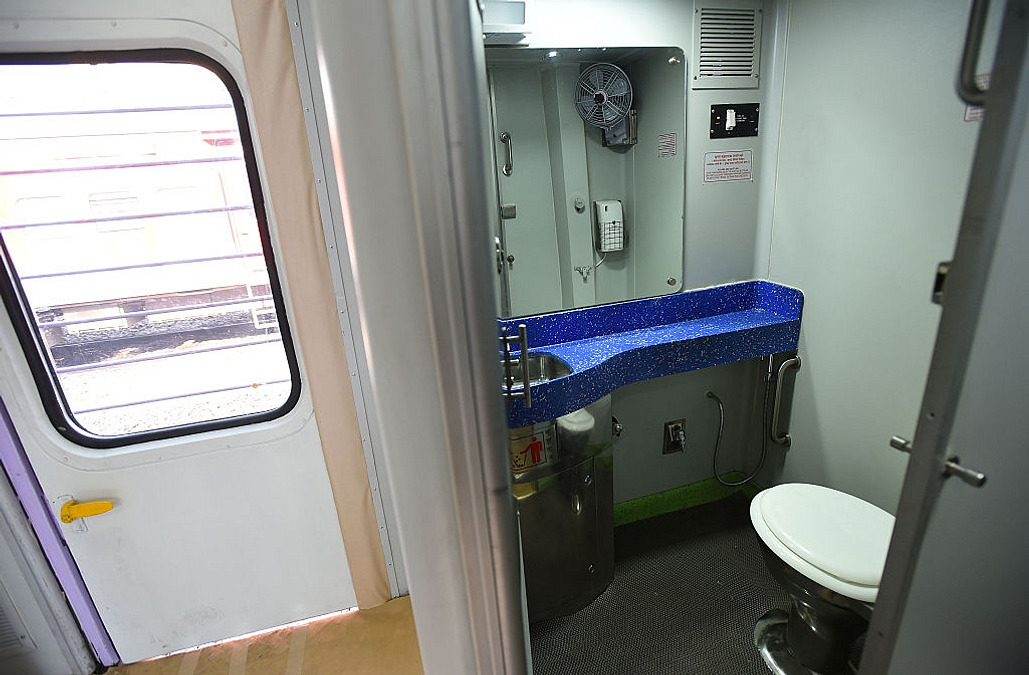
Despite years of investments in on-board services and modernisation drives, a national audit has revealed that cleanliness continues to be one of the most pressing concerns for passengers travelling on long-distance trains. A review by the Comptroller and Auditor General (CAG) shows that over 40% of passengers remain dissatisfied with toilet hygiene, while more than half expressed disappointment with housekeeping and sanitation standards.
The audit, conducted across 96 trains and involving 2,426 passengers from 16 railway zones, points to persistent issues ranging from choked toilets and unclean washbasins to water shortages and unhygienic vestibules. While officials managed to address nearly 89% of complaints within prescribed timelines, the report underscores systemic challenges in manpower deployment, monitoring and execution of service contracts. Railway insiders highlight that bio-toilets installed in premium AC coaches performed relatively better compared to those in non-AC classes. Yet, dissatisfaction rates in several zones, including East Coast, Western and Eastern Railways, crossed the 50% mark. In contrast, Northern and North Central Railways managed to achieve satisfaction levels above 90%, revealing stark disparities across zones.
The report draws attention to water shortages as a recurring grievance, with 15% of surveyed passengers reporting non-availability in toilets and washbasins. Alarmingly, over one lakh complaints regarding water supply were registered on the official Rail Madad app in 2022-23 alone. Experts have recommended ensuring enroute refilling systems, especially at stations with a higher frequency of shortages. The CAG also assessed the On-Board Housekeeping Services (OBHS) and found deficiencies in 13 out of 15 trains surveyed. These included clogged washbasins, dirty lavatories, foul-smelling sleeper compartments, and unhygienic common areas. Mechanised cleaning under the Clean Train Station scheme was also found to be poorly implemented, with inadequate manpower, limited use of cleaning equipment, and lapses in contractual compliance.
Equally concerning is the audit’s observation that contractual staff on trains were not subjected to mandatory police verification in several zones. The absence of such checks, despite past crimes involving contract workers, raises passenger safety concerns. Officials argue that robust compliance measures and stronger accountability mechanisms are now urgent to restore passenger confidence. The findings highlight a structural weakness in India’s long-distance rail ecosystem, which ferries millions daily. For a country pushing sustainable mobility and greener urban transport, the lack of cleanliness and adequate service management undermines the railways’ role as a reliable alternative to road and air travel. Experts believe that without stronger accountability, sustainable infrastructure will remain incomplete and passenger trust will continue to erode.
Also Read : Central Railway To Construct 92 Stabling Lines For 138 Extra Suburban Rakes
