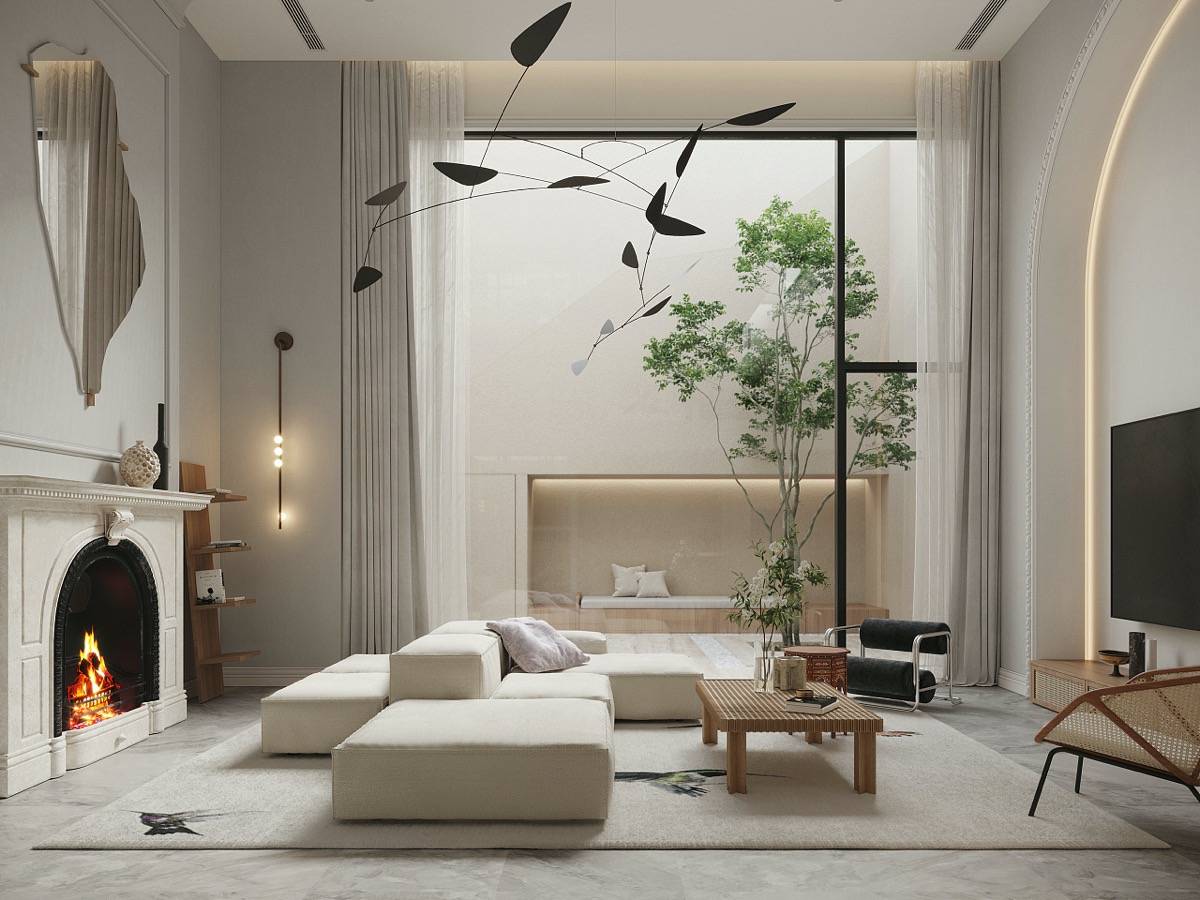
India Interior Design Market Set To Double By 2034
The Indian furniture and interiors industry is undergoing a transformative shift, moving from aesthetics-driven purchases to material-focused decisions that prioritise durability, safety, and long-term performance. As urban households increasingly plan homes with functional foresight, materials are now evaluated for their ability to withstand India’s climate, daily usage patterns, and evolving lifestyles. This transition reflects a maturing consumer base that values the sustained utility of furniture over short-term visual appeal.
Over 2025, the market has seen rising demand for surfaces and components that deliver consistent finishes, structural stability, and easy maintenance. Kitchen units, wardrobes, and storage systems are being assessed on longevity, with engineered edgebands, high-performance panels, and precision-finished surfaces emerging as industry standards. Urban designers highlight that such materials not only enhance functionality but also contribute to more sustainable urban living, reducing waste from early replacement or degradation.Manufacturers are responding with localised production and technological innovation. REHAU India, with over two decades in the market, has scaled its Vadodara facility to produce high-performance edgebands tailored for Indian conditions. Investments in high-speed extrusion, décor printing, and zero-joint technologies have improved both consistency and turnaround times, allowing carpenters, fabricators, and interior designers to deliver higher-quality products efficiently. Industry experts note that such developments are crucial in meeting the demands of India’s expanding urban middle class, which seeks reliable, long-lasting interiors that align with modern lifestyles.
Sustainability is now a central consideration rather than a peripheral aspiration. Lead-free, RoHS-compliant materials, higher recycled content, and responsible production processes are increasingly expected by consumers and integrated by manufacturers. Analysts argue that embedding sustainability in everyday furniture production supports broader climate-resilient urban development goals, contributing to lower environmental footprints across cities and residential projects.Looking ahead, the industry is set to prioritise quiet functionality and reliability. Furniture will increasingly serve as a long-term utility, performing seamlessly without requiring constant upkeep or attention. With ongoing investments in material science, precision engineering, and India-focused innovation, manufacturers like REHAU India are positioned to meet the dual expectations of performance and sustainability, supporting the evolution of urban homes across the country.
This material-centric shift signals a broader trend for urban development: homes and interiors designed not just for immediate appeal but for resilience, usability, and responsible consumption, aligning with India’s long-term sustainability objectives.