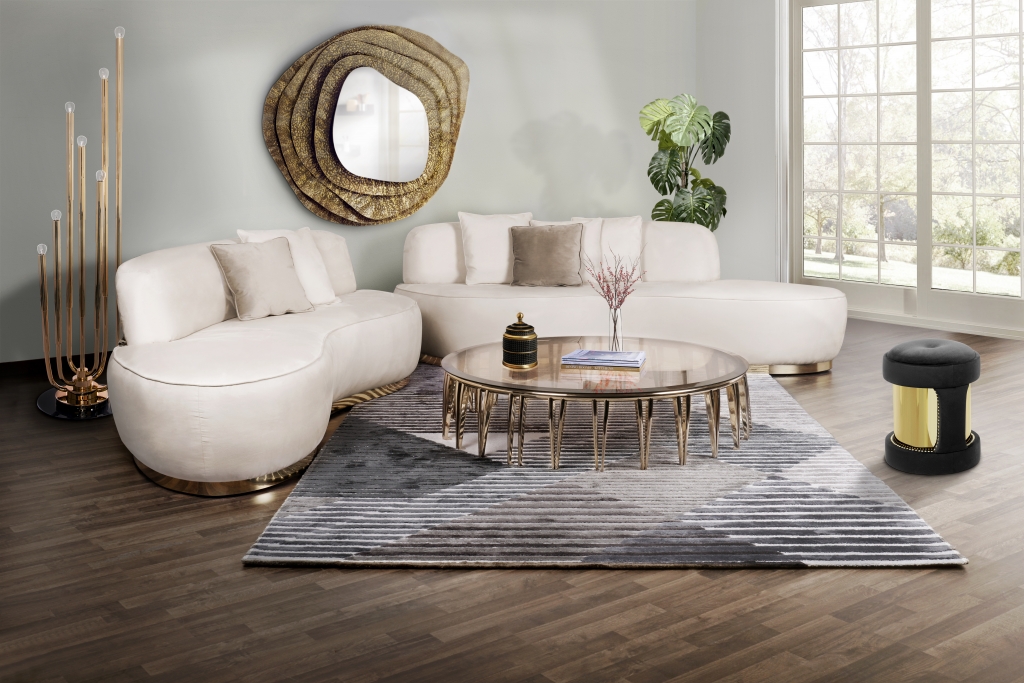
Indian Interiors Embrace Curved Statement Armchairs
As Indian homes and urban interiors evolve toward warmer, more human-centred spaces, a surge in curvaceous, statement armchair designs is reshaping how living rooms, lounges and communal interiors are conceived. Designers are increasingly favouring pieces that marry bold aesthetic identity with soft, inviting forms, reflecting wider global trends that prioritise comfort, tactile richness and seamless flow within city homes.
In recent years the vocabulary of furniture design — particularly accent seating — has shifted away from purely angular, minimalist silhouettes toward organic curves and sculptural shapes that both define and soften a space. This shift is visible in a range of contemporary armchairs: from generously proportioned seats with rounded backrests to sculptural accent chairs that act as focal points in open-plan urban living areas.Design experts describe this movement as part of a broader response to how people live and interact with their homes today. With work-from-home lifestyles and multi-use interiors now common in dense urban markets, furniture that invites prolonged sitting — be it for leisure, socialising, or remote work breaks — has become central to residential design briefs. These chairs aim to balance a strong stylistic presence with ergonomic support, allowing them to double as both artful statements and everyday seating.
A defining feature of this trend is the use of curves and soft silhouettes, which designers say create a visual language that contrasts with rigid rectangular architecture. Curved furniture is credited with enhancing spatial flow, reducing visual tension, and fostering a sense of warmth and ease — qualities increasingly sought within tight urban homes where psychological comfort is as valuable as spatial efficiency.Interior designers point out that statement armchairs — those pieces that stand alone for their form or material richness — are no longer the preserve of luxury homes. Even in mid-segment apartments across metropolitan centres like Delhi, Bengaluru and Mumbai, consumers are willing to invest in one or two stand-out chairs that anchor a room’s character, suggest a design narrative, and offer a more welcoming ambiance than traditional straight-lined seating.
This trend also dovetails with broader shifts in material and sustainability priorities. Many contemporary designs pair plush upholstery with responsibly sourced wood, recycled metal frames or low-VOC fabrics, signalling a subtle move toward material mindfulness even within expressive furniture pieces. Such considerations align with growing expectations that interiors should be both beautiful and aligned with climate-aware living practices.Yet, industry voices caution that the popularity of curved and bold armchairs should not eclipse concerns about spatial appropriateness and ergonomics, especially in smaller dwellings. Designers emphasise the need for proportion-aware choices, recommending chairs that balance aesthetic daring with comfortable seating depth and scale appropriate to the room.
As Indian cities continue to densify and living spaces compact, the evolution of furniture design — especially the embrace of bold, yet welcoming armchairs — underscores a shift toward interiors that are emotionally supportive, contextually responsive, and visually engaging.