Indian Households Shift To Energy-Efficient Home Appliances Saving Power And Reducing Emissions
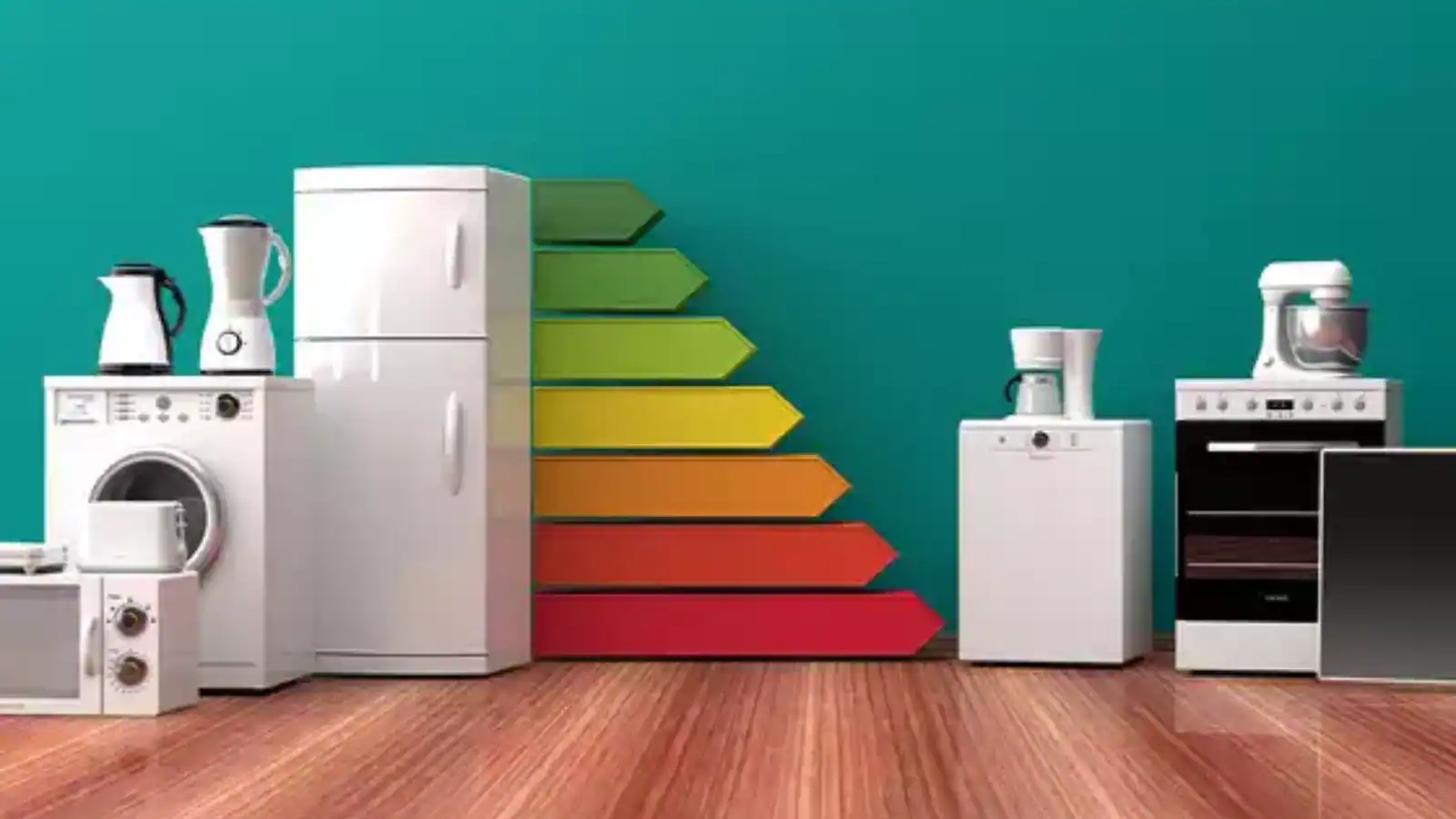
Indian households are increasingly adopting energy-efficient home appliances, from air conditioners and refrigerators to washing machines, as rising temperatures and growing electricity costs reshape consumption patterns. According to the Bureau of Energy Efficiency, residential electricity usage accounts for nearly 24% of the country’s total demand, growing around 6% annually. This shift towards advanced, high-rated appliances not only lowers bills but also reduces carbon emissions, signalling a broader move towards sustainable, smarter living across India.
The surge in demand for home appliances reflects both rising disposable incomes and evolving lifestyle expectations in urban India. What were once considered luxury items—air conditioners, frost-free refrigerators, and smart washing machines—are now integral to daily living. At the same time, climate change-driven temperature rises have intensified the need for cooling and efficient food storage, creating opportunities for appliances that combine comfort with energy savings.The appliance industry has responded with innovations that prioritise energy efficiency without compromising performance. Green refrigerants, such as R600a, R32, and the ultra-low global warming potential R290, are increasingly used in refrigerators and air conditioners. These alternatives significantly lower environmental impact while maintaining cooling efficiency. Meanwhile, appliances with higher Bureau of Energy Efficiency (BEE) star ratings help households cut electricity consumption substantially. A 5-star split AC, for instance, can reduce annual power usage by nearly 30% compared to a 2-star unit, while high-rated refrigerators offer energy savings of up to 45%.
Beyond ratings, advanced technologies are reshaping household energy management. Inverter-equipped air conditioners, refrigerators, and washing machines dynamically adjust performance to actual usage, avoiding unnecessary energy consumption. Convertible modes allow appliances to operate at partial capacity—such as 5-in-1 ACs adjusting output for occupancy or refrigerators switching compartments during low-use periods—saving up to 70% power. AI-powered devices further optimise efficiency by monitoring usage patterns, load, and heat inflows, ensuring appliances operate intelligently to minimise electricity costs.Consumer behaviour and maintenance also play a critical role in energy efficiency. Smart features, including filter-cleaning reminders in ACs and adaptive wash cycles in washing machines, can reduce power consumption by up to 20%. Industry experts emphasise that timely servicing and informed usage are key to unlocking the full benefits of energy-efficient appliances, complementing the technological improvements made by manufacturers.
Research and development, combined with sustainable manufacturing practices, underpin the sector’s contribution to India’s climate goals. Green factories, localised component production, and energy-conscious design help appliances meet global standards while minimising environmental impact. Analysts note that achieving meaningful energy savings requires a collaborative approach, where government policy, manufacturer innovation, and consumer awareness work in tandem.As India’s households embrace smarter, energy-conscious appliances, the nation moves closer to balancing modern comfort with environmental responsibility. The ongoing shift signals a promising trajectory for sustainable living, reduced energy costs, and a lower carbon footprint in urban India.