


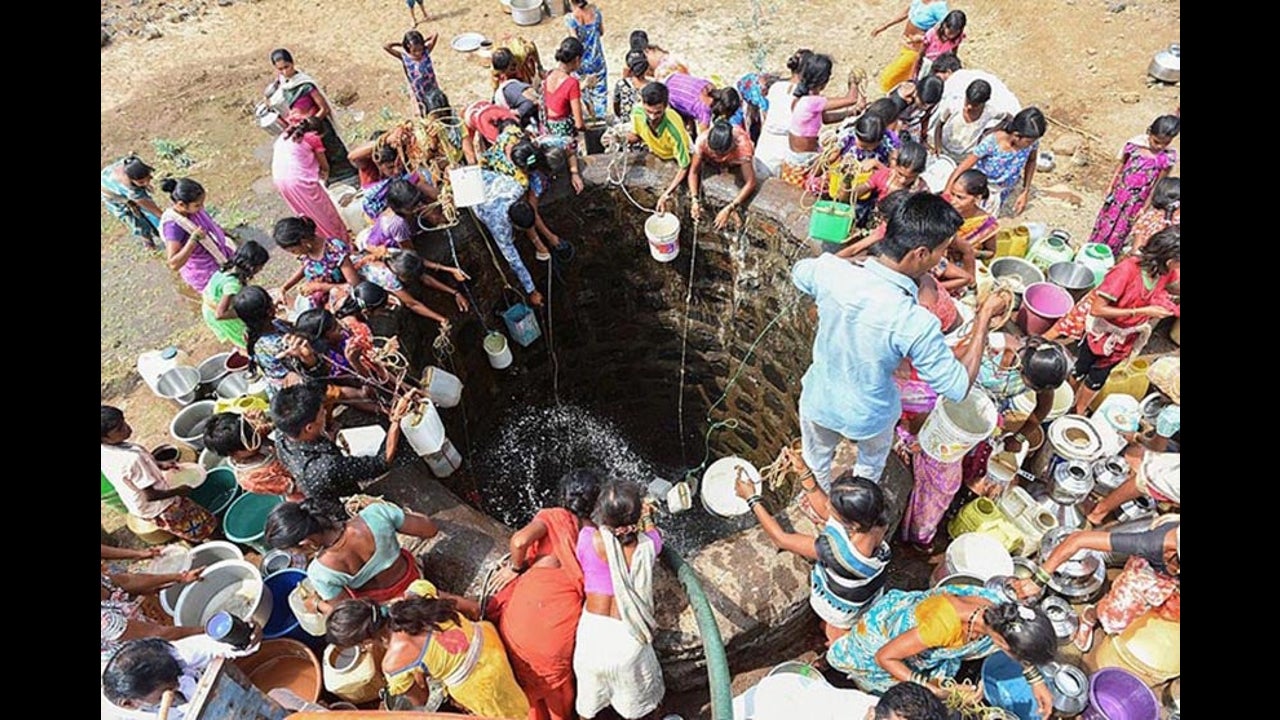
India brace for another scorching summer, rising temperatures are triggering more than just discomfort—they’re intensifying a deepening water crisis that threatens the core of urban resilience.
April and May have delivered a stark preview of India’s shifting climate. From prolonged heatwaves to erratic rainfalls, the weather is no longer predictable, and urban India is on the frontlines. The India Meteorological Department (IMD) has projected above-normal maximum temperatures across most regions this season. Simultaneously, a recent study by the Council on Energy, Environment and Water (CEEW) reveals that nearly 57% of Indian districts, home to about three-fourths of the population, now fall under ‘high’ or ‘very high’ heat risk categories. This convergence of heat and water stress presents a compounding challenge. Major cities like Delhi, Pune, Chennai, and Bengaluru are already reeling under the pressure of rising water demand and dwindling supply. During heatwaves, daily water requirements spike as people consume more for hydration, cooling, and hygiene. Yet, the very same heat hastens the evaporation of surface water bodies and strains existing infrastructure. Cities are being pushed to the edge, and the urgency for localised, heat-resilient water systems has never been greater.
The urban landscape adds another layer of complexity. Heat island effects, caused by dense concrete development and limited greenery, lead to temperature spikes in certain neighbourhoods, often the poorest and least serviced. Without ward-level heat vulnerability assessments and targeted water management strategies, these localised crises will remain invisible in broader city planning. Moreover, elevated temperatures affect water quality. Rising heat contributes to algal blooms and reduces dissolved oxygen in lakes and rivers—exacerbated by limited inflows during summer. The highly polluted Yamuna River in Delhi is a telling example of how low water volume and poor quality compound each other during heat spells.
Long-term solutions lie in systemic reforms. Experts call for mainstreaming heat risk assessments into water supply planning. Ward-level audits of supply and demand, as well as mapping of vulnerable populations and zones, are critical for building adaptive capacity. Yet most cities continue to operate in silos, with fragmented data and disjointed planning. Reducing water losses is equally crucial. Several urban centres, including Bengaluru and Delhi, are investing in bulk flow meters to detect leaks. At the same time, there’s growing momentum to scale up the reuse of treated wastewater for non-potable purposes. Thane, for instance, has set standards for reusing treated water for landscaping and cleaning, freeing up freshwater resources for drinking.
Financing remains a vital piece of the puzzle. Municipal bonds—such as those floated by Indore and Ahmedabad—alongside public-private partnerships, are emerging as practical models for funding water resilience. These tools, if applied equitably, could help build infrastructure that withstands future climate shocks. With 40% of India’s population projected to live in cities by 2030, the choices made today will define tomorrow’s urban climate resilience. Cities cannot afford to treat rising heat and shrinking water as separate issues. Hyperlocal, integrated action is the only path forward.
Also Read: Mumbai Faces Earliest Monsoon in 75 Years Severe Flooding Disrupts City
