Indian Ceramic Tiles Demand Rises With Urban Growth
India’s ceramic tiles market is projected to grow from an estimated 1,255.97 million sq m in 2025 to about 1,676.95 million sq m by 2034, supported by expanding urbanisation, rising housing demand and advances in production technologies. This sustained expansion over the coming decade reflects shifting preferences for durable, aesthetically versatile surface solutions across residential, commercial and infrastructure segments.
The market’s projected compound annual growth rate of around 3.26 per cent underscores a maturing industry responding to both foundational construction activity and evolving consumer aspirations. Key drivers include robust construction activity across metropolitan, Tier-2 and Tier-3 cities, coupled with government housing initiatives that are channeling investment into new and replacement building projects.Floor tiles dominate the industry, accounting for over half of total volume, while residential applications make up the largest share of consumption — a testament to the continued prioritisation of flooring quality and interior finishes in housing. Consumers increasingly prefer ceramic and vitrified surfaces over traditional flooring materials, drawn by durability, ease of maintenance and growing design diversity.Regional production and demand patterns also highlight the sector’s uneven geography. West and Central India — anchored by the Morbi production cluster in Gujarat — holds the highest regional share, buoyed by strong industrial infrastructure and a dense network of manufacturing units. Morbi alone contributes a significant proportion of the nation’s output and is a crucial export hub.
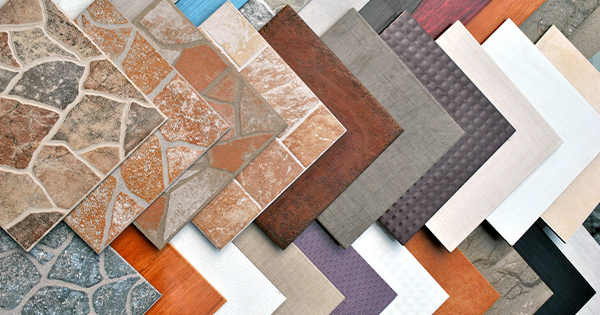
Technological advancements are reshaping product offerings. Digital inkjet printing, large-format tile manufacture and 3D surface texturing enhance design realism and appeal, enabling tiles that emulate marble, wood and stone at competitive prices. These innovations are increasingly embraced across premium and mid-segment product lines, expanding choice for architects, interior designers and homeowners.Sustainability considerations are gaining traction within production strategies. Manufacturers are adopting energy-efficient roller kilns, waste-heat recovery systems and water recycling processes to lower carbon emissions and reduce environmental footprints. Such measures respond to both regulatory pressures and rising consumer interest in eco-efficient building materials.Despite steady growth, the industry faces several challenges. Price volatility in natural gas — a key input for tile production — can affect cost structures and margins. Competition from unorganised producers and imports also places pressure on pricing, particularly in rural and cost-sensitive markets. Moreover, premium tile adoption remains uneven in smaller cities where cost considerations often outweigh design preferences.
The sector’s evolution parallels broader transformations in India’s built environment. Rising disposable incomes and the rise of interior renovation projects are diversifying demand beyond new construction. Meanwhile, ongoing infrastructure development under national missions such as Smart Cities and expanded housing schemes supports long-term demand fundamentals.For urban planners and real estate developers, the ceramic tiles market’s trajectory signals both a reliable barometer of construction momentum and an indicator of changing lifestyle preferences. As residential and commercial landscapes continue to modernise, tile demand will remain closely tied to housing affordability, material innovation and sustainable building practices.