


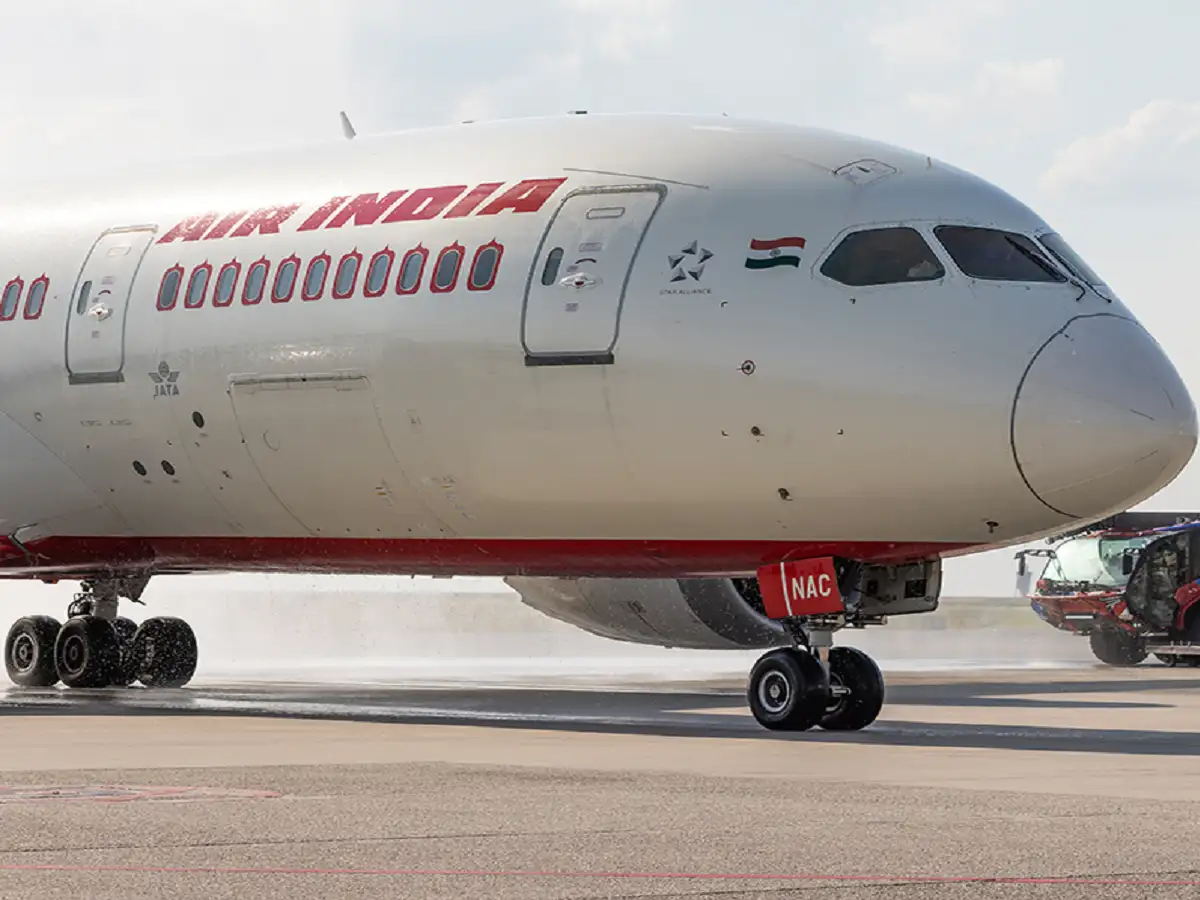
Official aviation safety data reviewed by the central government has highlighted recurring technical issues across multiple aircraft operated by Indian carriers, with one airline group accounting for a significant share of reported incidents. The findings have sharpened focus on aircraft reliability, maintenance practices and regulatory oversight at a time when India’s aviation sector is expanding at an unprecedented pace.
According to officials familiar with the assessment, the review examined technical defect reports submitted to the aviation regulator over a defined period. These reports, mandatory under safety norms, cover repeated faults that do not pose immediate danger but require rectification to maintain airworthiness. The data shows that aircraft operated by a single airline group recorded the highest number of such recurring issues, followed by several other domestic operators. While authorities stressed that none of the aircraft flagged were deemed unsafe to fly, industry experts say the pattern is instructive. “Recurring technical snags are early warning indicators,” said an aviation safety specialist. “They reflect the strain on maintenance systems, spare part availability and engineering capacity, especially when fleets are expanding rapidly.” India’s aviation market is undergoing a phase of aggressive growth, driven by rising urbanisation, regional connectivity schemes and increased demand for domestic air travel. Airlines are inducting new aircraft while operating older fleets at higher utilisation rates. This growth, analysts note, places pressure on maintenance, repair and overhaul infrastructure, much of which is concentrated in a few metro hubs.
From an urban and economic perspective, aviation reliability has broader implications. Airports are critical nodes in city-region economies, supporting tourism, business travel and high-value logistics. Flight disruptions linked to technical issues can ripple through urban systems, affecting productivity, supply chains and passenger confidence, particularly in cities that rely heavily on air connectivity. Environmental considerations are also part of the conversation. Repeated technical faults can increase fuel burn, emissions and operational inefficiencies, complicating efforts to decarbonise aviation. Experts argue that robust maintenance regimes are essential not only for safety but also for reducing the sector’s carbon footprint through optimal aircraft performance. Regulatory officials indicated that the findings have prompted closer engagement with airlines on maintenance planning, engineering staffing and compliance audits. Enhanced surveillance, targeted inspections and data-driven oversight are being used to identify systemic issues rather than isolated faults. The regulator has also emphasised the need for airlines to strengthen in-house technical capabilities as fleets scale up. Airline industry representatives point out that many carriers are navigating global supply chain constraints, including delays in spare parts and engine servicing. However, they acknowledge that long-term solutions lie in expanding domestic maintenance infrastructure, investing in skilled technicians and adopting predictive maintenance technologies.
For passengers, the issue underscores the importance of transparency and accountability in aviation operations. Reliable air travel is a cornerstone of inclusive mobility, connecting smaller cities to economic opportunities and social services. Any erosion of trust can disproportionately affect regional routes where alternatives are limited. As India positions itself as one of the world’s fastest-growing aviation markets, the challenge will be to align scale with resilience. Strengthening aircraft reliability through governance, infrastructure investment and skilled workforce development will be central to ensuring that aviation growth supports safe, sustainable and people-first urban connectivity.
Also Read: Pune State Plans Baramati Airport Upgrade
Indian Airlines Face Scrutiny Over Technical Snags
