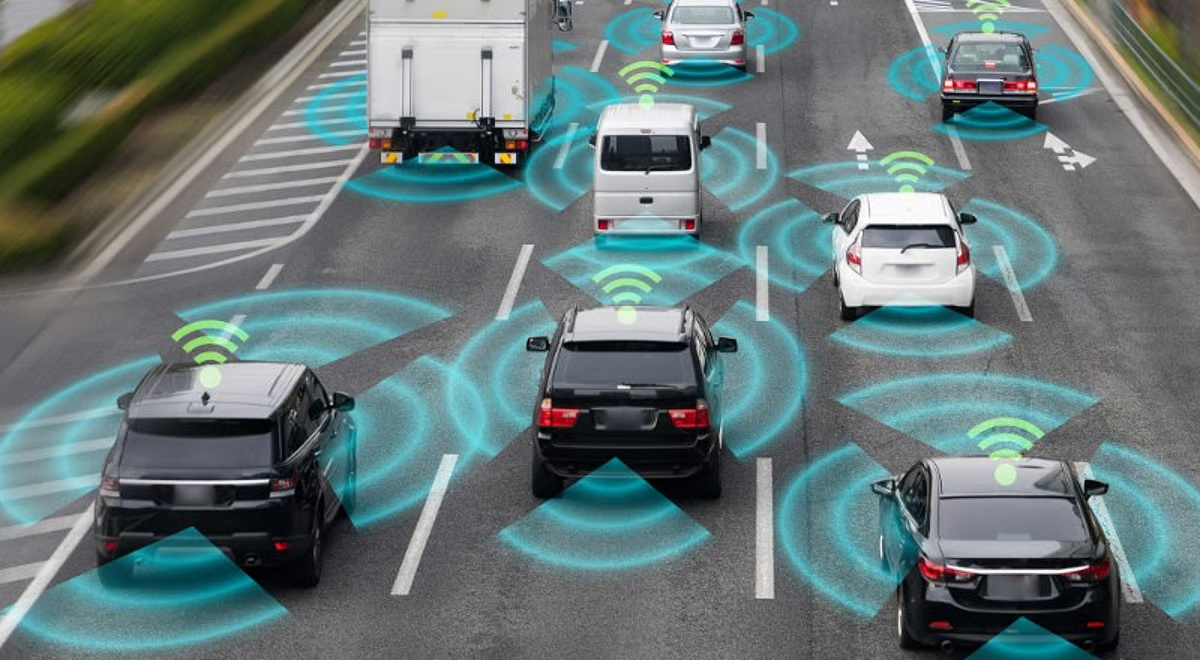
India is preparing to introduce wireless communication systems in vehicles as part of a broader effort to curb road accidents and modernise transport safety standards. The proposed rollout of V2V communication technology, which enables vehicles to exchange real-time data with each other, marks a significant shift in how road safety is approached across the country’s rapidly motorising cities and highways.
Senior government officials confirmed that inter-ministerial coordination is underway to allocate radio spectrum for vehicle-to-vehicle communication, allowing cars to transmit information such as speed, braking patterns, location, and sudden manoeuvres. The objective is to give drivers advance warnings of potential hazards beyond their line of sight, particularly in dense urban traffic and high-speed corridors where reaction time is critical. India records among the highest numbers of road accidents globally, with fatalities disproportionately affecting young working-age adults. Transport analysts say the adoption of V2V communication technology could address a structural gap in road safety by shifting from reactive enforcement to preventive systems embedded directly into vehicles. Unlike traditional safety measures that rely heavily on driver behaviour, connected vehicle systems aim to reduce human error through continuous alerts and automated responses.
The move is part of a wider regulatory reset being discussed at the national level. Officials indicated that amendments to the motor vehicle framework are being prepared to align Indian regulations with evolving global safety norms. These changes are expected to cover vehicle standards, digital compliance processes, and the gradual integration of advanced driver assistance features across different vehicle categories. Industry experts view the proposal as a signal to automobile manufacturers, telecom providers, and urban planners that India is moving towards a connected mobility ecosystem. “Wireless vehicle communication is foundational for safer roads, but also for future-ready transport networks,” said a mobility policy specialist. They noted that such systems could eventually integrate with traffic signals, road sensors, and emergency response infrastructure, supporting smarter and more climate-efficient cities.
Discussions at recent intergovernmental forums have also included tighter safety norms for buses and long-distance coaches, improved vehicle assessment ratings, and phased adoption of driver assistance systems. A digital points-based mechanism to track traffic violations and automated permit issuance for freight vehicles were highlighted as complementary reforms aimed at improving compliance while reducing administrative friction. From an urban development perspective, connected vehicle technologies are increasingly seen as enablers of sustainable mobility. By reducing collision risks and smoothing traffic flow, they can lower congestion-related emissions and support public transport reliability. However, planners caution that equitable implementation will be key. Without clear standards and cost controls, advanced safety technologies risk remaining concentrated in premium vehicle segments.
As legislative changes move closer to Parliament, the focus will shift to timelines, interoperability standards, and safeguards around data use. If implemented carefully, the introduction of V2V communication technology could reshape road safety outcomes while laying the groundwork for more resilient, people-first transport systems across India’s cities and highways.