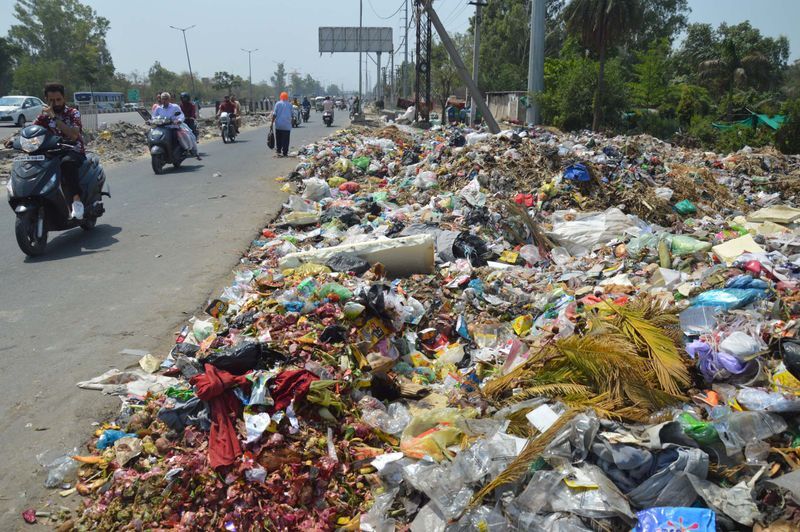
India Waste Segregation Reform Reshapes Urban Systems
India’s urban waste management framework has entered a new phase with the nationwide rollout of a four-bin segregation system, marking a structural shift in how cities handle municipal solid waste and environmental compliance. Effective April 1, all urban local bodies have been directed to implement the revised system under the Solid Waste Management Rules, 2026.
The new framework mandates segregation at source into four distinct categories—wet, dry, sanitary, and hazardous or special care waste—replacing the earlier two-bin approach that had limited effectiveness in large and complex urban environments. At its core, the reform aims to address one of India’s most persistent urban challenges: inefficient waste processing and the continued reliance on landfills. By enforcing granular segregation at the household and institutional level, authorities expect cleaner waste streams that can be channelled into composting, recycling, and specialised disposal systems with minimal contamination. For city administrations, the transition represents both an operational and governance challenge. Municipal bodies are required to redesign collection systems, including retrofitting waste transport vehicles with multiple compartments and ensuring that segregation is maintained throughout the value chain. Urban officials indicate that without end-to-end compliance—from households to processing facilities—the benefits of the system may not fully materialise.
The policy also introduces stronger accountability mechanisms. Under the “polluter pays” principle, non-compliance can attract penalties, while sanitation workers have been empowered to refuse collection of unsegregated waste. This marks a shift from municipal-led waste handling to shared responsibility between citizens, institutions, and local governments. The implications extend beyond sanitation. For urban planners and infrastructure stakeholders, the four-bin system is closely tied to climate resilience and circular economy goals. Segregated organic waste can be diverted to composting or bio-methanation, reducing methane emissions from landfills, while recyclable materials can be reintegrated into production cycles, lowering resource extraction pressures. However, implementation gaps remain a concern. Early experiences from cities preparing for the transition suggest that public awareness, behavioural change, and infrastructure readiness are uneven. In several urban centres, experts have flagged risks such as improper handling of sanitary and hazardous waste streams, as well as inconsistencies in door-to-door collection systems. The reform also places new obligations on bulk waste generators—including large residential complexes, commercial establishments, and institutions—to process organic waste on-site and comply with stricter reporting norms. This could accelerate investments in decentralised waste processing infrastructure, particularly in high-density urban clusters.
From a market perspective, the policy is expected to unlock opportunities in recycling, waste processing technologies, and data-driven monitoring systems. With India’s urban population continuing to grow, the demand for scalable, compliant waste management solutions is likely to increase significantly over the next decade. As cities move from policy adoption to execution, the success of the four-bin system will depend on consistent enforcement, citizen participation, and integration with broader urban infrastructure planning. The coming months will test whether India’s urban centres can translate regulatory ambition into measurable improvements in cleanliness, public health, and environmental sustainability.