


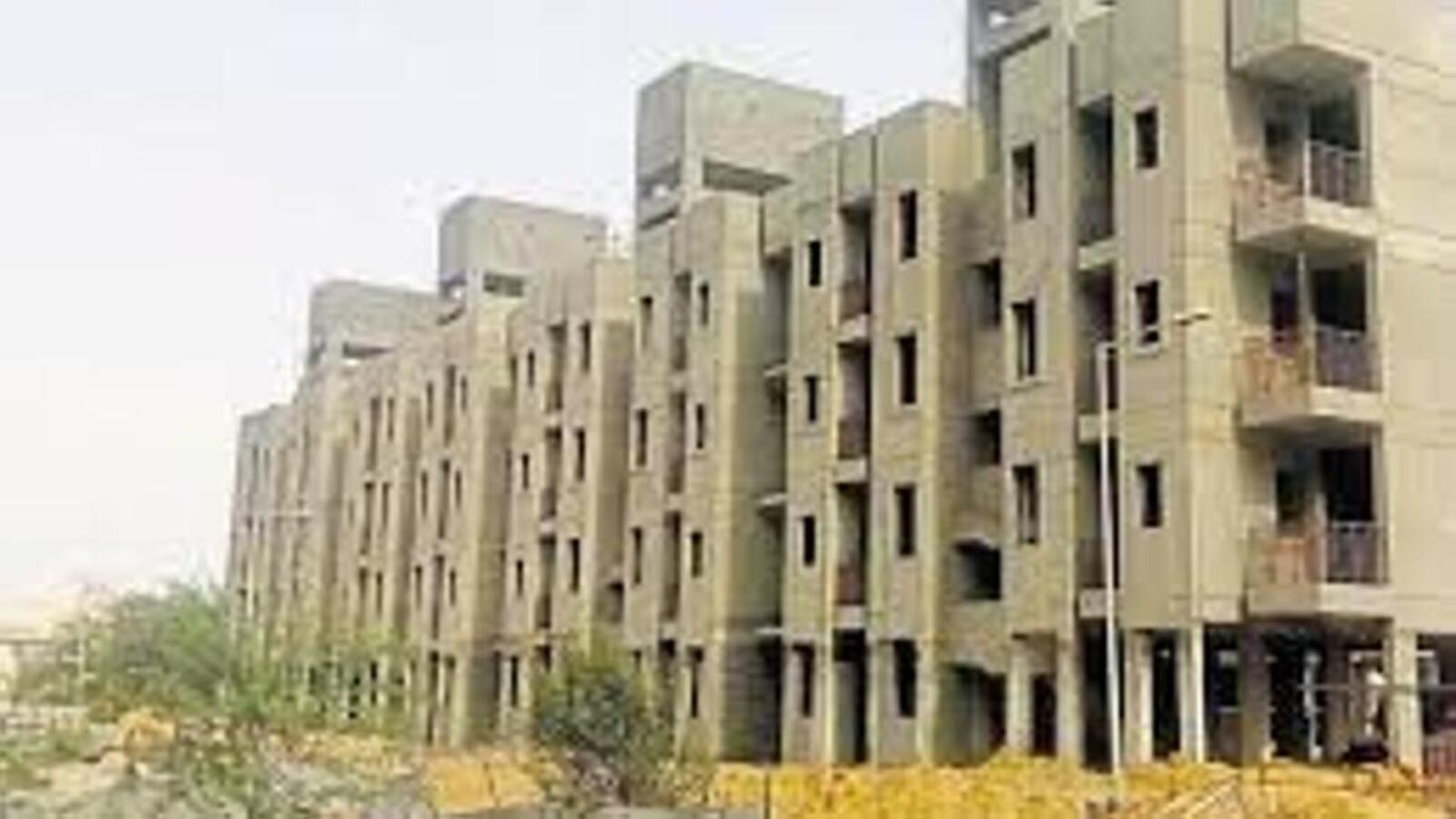
India’s urban housing market showed signs of stabilisation in 2025, with residential sales across the country’s eight largest cities holding near historic highs despite rising prices and a narrowing affordability window. Around 3.48 lakh homes were sold during the year, marking a marginal annual dip, but signalling sustained end-user demand after multiple years of rapid growth. The trend highlights a structural shift in urban housing consumption, with implications for affordability, city planning, and infrastructure priorities.
Market data compiled from property registrations and industry tracking indicates that while overall volumes softened slightly, price momentum remained firm across most metropolitan regions. The National Capital Region emerged as the strongest performer on the pricing front, recording the sharpest annual increase among major cities. Southern technology hubs also reported double-digit appreciation, reflecting continued demand from higher-income households and professionals concentrated in service-led urban economies. Mumbai, India’s most expensive housing market, saw transaction volumes inch upward even as average prices climbed further. Bengaluru registered stable sales numbers alongside notable price gains, while Pune experienced a modest correction in volumes amid steady appreciation. Hyderabad stood out as the only major market to post growth in both sales and prices, underscoring its emergence as a balanced residential destination supported by employment growth and expanding infrastructure. Urban economists note that the price rise has been driven less by speculative activity and more by a change in the composition of supply. New launches across cities have increasingly skewed towards larger homes and premium configurations, pushing up weighted average prices. Rising construction costs, land scarcity in well-connected locations, and compliance-driven development norms have further reinforced this upward pressure.
A defining feature of 2025 was the growing dominance of higher-value housing. Homes priced above Rs 1 crore accounted for nearly half of all urban residential transactions, reflecting improved household incomes, easier credit conditions, and changing lifestyle expectations. In contrast, demand for homes below Rs 50 lakh continued to contract sharply, a reversal from just a few years ago when affordable housing formed the backbone of urban sales. The mid-income segment also showed signs of strain, pointing to an increasingly polarised market. From a city-planning perspective, this shift raises important questions around inclusivity and workforce housing. Urban planners caution that sustained under-supply in affordable segments could intensify commuting pressures and informal housing growth unless addressed through land-use reforms, transit-oriented development, and coordinated public-private housing strategies. Despite these challenges, overall market health remained stable. Inventory levels were contained, and the time required to absorb existing stock stayed broadly unchanged, suggesting disciplined supply and realistic pricing by developers.
Looking ahead to 2026, industry experts expect housing demand to remain selective rather than expansive. Premium segments are likely to continue supporting market activity, but long-term resilience will depend on whether cities can align housing supply with employment locations, climate-resilient infrastructure, and equitable access to urban opportunities. The next phase of growth may be less about volume and more about balance.
Also Read: Navi Mumbai Wipro Expands Airoli Office Footprint
