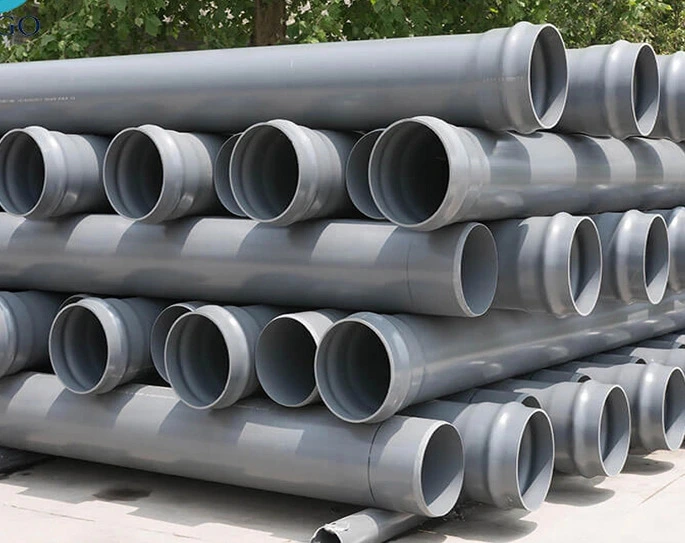
India uPVC Pipe Manufacturing Gets New Additive Portfolio
India’s rapidly expanding water and sanitation infrastructure is reshaping demand across the plastics and polymer supply chain, prompting manufacturers to develop specialised materials for pipe production. In a move reflecting this shift, an Ahmedabad-based additives manufacturer has expanded its formulation portfolio designed for uPVC pipe manufacturing and oriented PVC (OPVC) pipe systems used in water distribution networks.
The expanded range centres on advanced additive blends that simplify the production of rigid PVC profiles and OPVC pipes—two materials widely used in modern water supply infrastructure. These formulations combine stabilisers, lubricants, processing aids and other chemicals into a single compound, allowing pipe manufacturers to streamline the mixing and extrusion process during production. Industry engineers say such “one-pack” additive technologies are increasingly important as pipe manufacturers scale up capacity to meet demand from large water supply programmes, urban drainage networks and irrigation infrastructure. By reducing the number of separate ingredients required during processing, these formulations can help improve consistency in pipe quality and reduce operational complexity on manufacturing lines.The company’s additive solutions are already used across multiple pipe applications, including plumbing networks, agricultural pipelines, soil-waste drainage systems and column pipes for groundwater extraction. These sectors are closely tied to India’s infrastructure priorities, particularly programmes aimed at expanding safe drinking water access and improving rural irrigation systems.
The push toward uPVC pipe manufacturing and OPVC technologies also reflects changing material preferences in infrastructure design. Compared with traditional metal pipes, PVC-based systems are lighter, corrosion-resistant and easier to install, making them attractive for large-scale distribution networks. OPVC pipes, which are manufactured through a molecular orientation process, offer higher pressure resistance and durability, enabling utilities to transport water across longer distances with fewer failures.Urban infrastructure planners note that India’s water infrastructure programmes are creating sustained demand for pipes and fittings across the country. As water supply networks expand, manufacturers are increasingly focusing on materials that deliver both durability and environmental safety, especially for pipelines carrying potable water.Another key factor driving innovation is the shift toward lead-free additive systems in pipe manufacturing. Modern stabiliser technologies rely on calcium-zinc or other metal-free formulations designed to meet international safety standards for materials that come into contact with drinking water. These chemical formulations play a critical role in maintaining the structural integrity and longevity of PVC pipes used in public water systems.
For the additives industry, the growth of uPVC pipe manufacturing represents a significant opportunity. India’s pipe and fittings market continues to expand alongside urbanisation, infrastructure investment and government-backed water supply programmes.As cities and rural regions build more extensive water networks, the performance of the materials used in pipe production—from polymer resins to specialised additives—will increasingly determine how efficiently these systems operate over decades of use. Innovations in pipe manufacturing technology, industry analysts say, are therefore becoming a foundational layer of the country’s evolving water infrastructure.