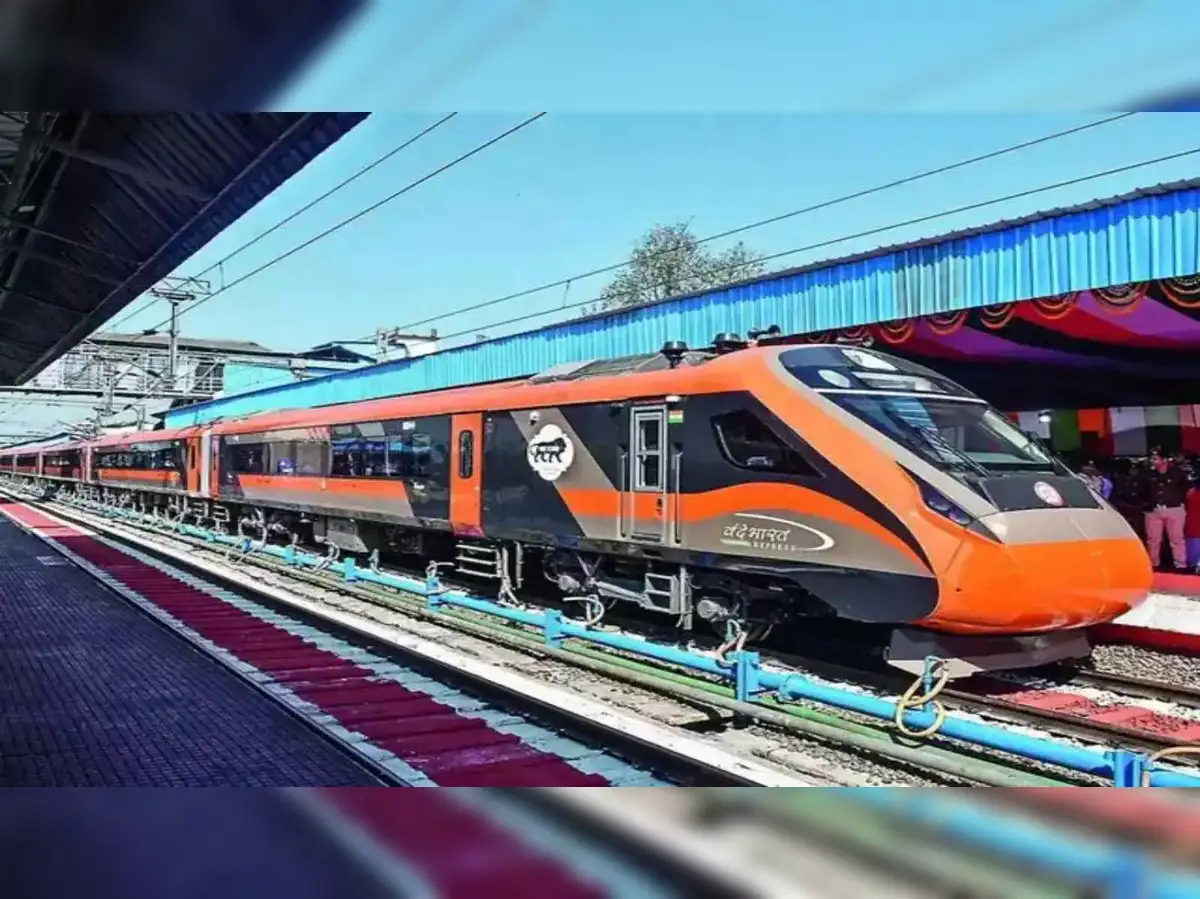
India unveils 9 Vande Bharat routes redefining train travel experience
India’s Vande Bharat Express is not just a faster train it is a new chapter in sustainable and modern travel. Designed to cut travel time while enhancing passenger comfort, these semi-high-speed trains are reshaping how Indians experience rail journeys. With nine spectacular routes now operational or planned, the Vande Bharat has transformed train travel into an immersive encounter with India’s diverse landscapes, cultural richness, and ecological promise.
The Delhi–Srinagar route, expected to commence by early 2025, symbolises both engineering marvel and national integration. Traversing the Chenab Bridge 359 metres above the river the train journey will rank among the world’s most breathtaking, bridging the snow-covered valleys of Kashmir with the plains of North India. Beyond connectivity, officials say this project underscores India’s ambition to provide climate-resilient infrastructure while boosting eco-tourism.The Delhi–Dehradun and Delhi–Amb Andaura services offer shorter yet equally compelling rides. Through the green hills of Uttarakhand and the cultural expanse of Himachal Pradesh, these trains provide sustainable alternatives to road journeys that often strain fragile mountain ecosystems. By reducing reliance on private vehicles, they contribute to lower emissions across ecologically sensitive zones.
Further south, the Pune–Hubballi and Mumbai–Goa routes traverse the lush Western Ghats, a UNESCO World Heritage site. Passengers are treated to cinematic views of rolling hills, mist-covered valleys, and seasonal waterfalls natural assets that underscore why India’s push for electrified rail over highway expansion is critical in safeguarding biodiversity. Experts believe these rail corridors could become models for balancing economic growth with environmental preservation.Eastern and North-Eastern India are also part of this railway renaissance. The Rourkela–Puri Vande Bharat not only links Odisha’s industrial and cultural hubs but also celebrates its evolving identity through changing landscapes. In the Northeast, the New Jalpaiguri–Guwahati service has introduced the first Vande Bharat to the region. It runs through tea gardens, forests, and open fields, signalling a step forward for inclusive development in a region historically underserved by infrastructure investment.
The southern routes Madurai–Bengaluru and Ernakulam–Bengaluru blend tradition with technology. They stitch together temple towns, commercial hubs, and agricultural heartlands into seamless journeys that rival air travel in convenience but remain far more sustainable. Officials highlight that electric trains like Vande Bharat reduce per capita emissions compared with aviation, making them critical to India’s net-zero aspirations.As India eyes a future where railways remain its greenest mass transport mode, the Vande Bharat Express has already proved it is more than a train. It is a statement that speed, comfort, and sustainability can coexist, and that journeys across India’s diverse terrains can inspire as much as they connect.