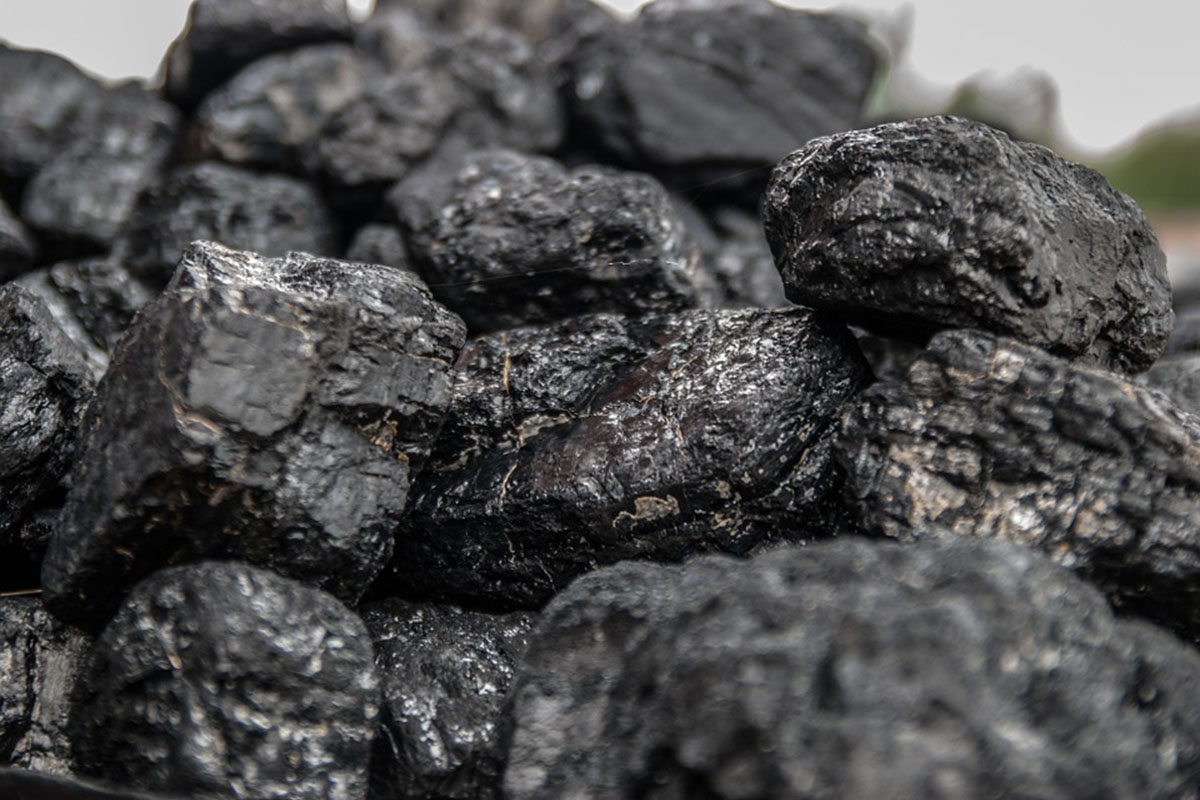
India Tightens Metallurgical Coke Imports Amid Steel Expansion
India has imposed a provisional anti-dumping duty on low ash metallurgical coke imports, marking a significant policy move that could reshape the domestic steel production landscape. The duty, ranging from $60.87 to $130.66 per tonne, will apply for six months to imports from Australia, China, Colombia, Indonesia, Japan, and Russia. Officials say the measure aims to shield domestic steelmakers from low-cost foreign supplies but also introduces new challenges for input sourcing and production efficiency.
Low ash metallurgical coke is a critical raw material, contributing approximately 35–40 per cent of steelmaking costs. With India seeking to expand steel capacity, increase exports, and develop downstream manufacturing, restrictions on coke availability have emerged as a bottleneck. Analysts warn that higher input costs could erode competitiveness for domestic steelmakers, even as policy safeguards continue to support finished steel prices.The government’s intervention follows a layered approach to trade regulation over the past year. After a safeguard investigation in 2023, quantitative restrictions were introduced in January 2025, limiting country-wise coke imports to 1.4 million tonnes per half-year. These caps, coupled with the latest anti-dumping duties, now control both the volume and price of essential coke supplies entering India. The move reflects a broader strategy to protect the steel sector, yet it also highlights a policy paradox: shielding producers from cheap steel while simultaneously tightening access to a key input.
Industry experts note that the combined effect of import restrictions and duties could push up production costs, reduce operational efficiency, and slow planned investments in capacity expansion. For smaller steel producers and MSMEs reliant on imported coke, the increased financial burden may be particularly acute, potentially reshaping market dynamics and supply chains.Economic analysts stress that metallurgical coke policy needs careful calibration. While trade barriers safeguard domestic steel producers in the short term, sustained cost pressures could limit India’s ambitions to enhance steel exports and maintain competitive pricing in global markets. The current situation underscores the challenge of balancing protectionist measures with the need for raw material accessibility in a capital-intensive sector like steelmaking.
From an urban and infrastructure perspective, steel is a foundational material for construction, transportation, and industrial projects. Any sustained rise in steel production costs could ripple through infrastructure development, urban construction projects, and industrial expansion, emphasizing the interconnectedness of trade policy, manufacturing, and urban growth.Looking ahead, policymakers will need to monitor the impact of these anti-dumping duties on production efficiency, market competitiveness, and investment flows. Ensuring a consistent supply of affordable metallurgical coke, while maintaining safeguards against unfair imports, will be crucial for sustaining India’s steel sector growth and supporting broader industrial and urban development goals.