



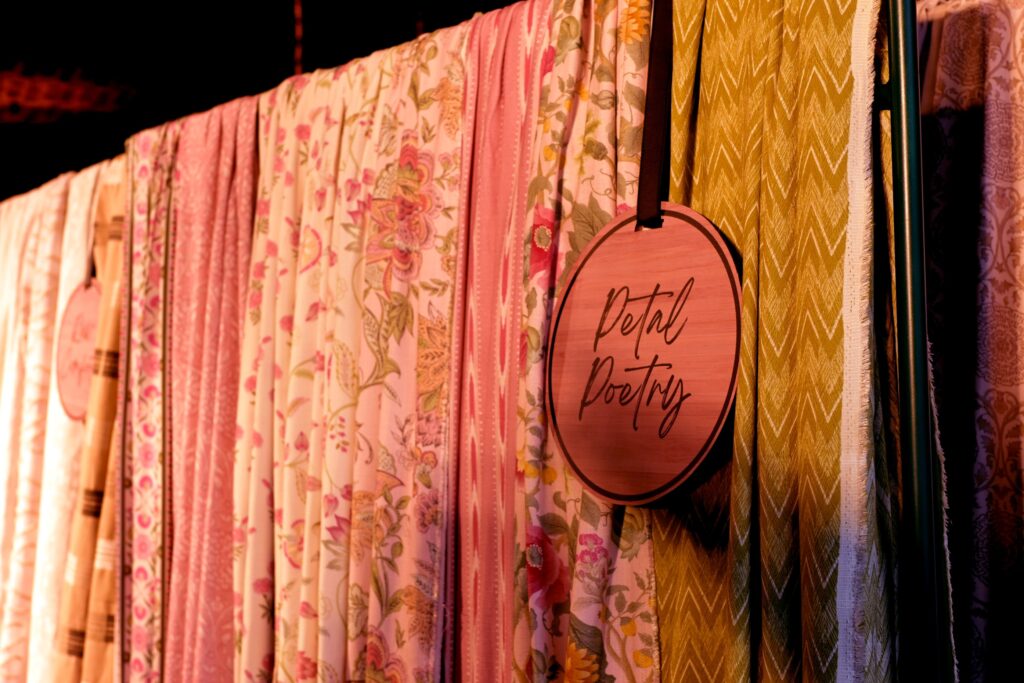
A growing integration of traditional fabrics into contemporary interiors is reshaping India’s home design landscape, as urban consumers increasingly turn to indigenous textiles to define modern living spaces.Across cities such as Delhi, Mumbai, and Bengaluru, designers and homeowners are incorporating handwoven and region-specific textiles into décor elements ranging from upholstery to wall treatments. This shift reflects the rising influence of the Indian textiles urban homes trend, where heritage materials are being adapted to suit contemporary aesthetics and functional needs.
Industry experts point to a convergence of factors driving this movement. Increased awareness around sustainability, a preference for locally sourced materials, and a renewed appreciation for craftsmanship are encouraging consumers to move away from mass-produced décor. Handloom fabrics, natural dyes, and artisanal techniques are gaining prominence as they offer both environmental benefits and unique design identities.The Indian textiles urban homes trend is also being fuelled by the growth of India’s organised interior design sector. Designers are increasingly blending traditional textiles with modern layouts—pairing, for instance, handcrafted fabrics with minimalist furniture or using regional prints as statement accents in otherwise neutral spaces. This hybrid approach allows for cultural continuity while meeting the expectations of urban lifestyles.For the broader urban development ecosystem, the implications extend beyond aesthetics. The increased demand for traditional textiles supports rural livelihoods and artisan communities, creating economic linkages between urban consumption and rural production. This aligns with inclusive growth models that seek to distribute the benefits of urbanisation more equitably.
At the same time, the use of natural fibres and low-impact production methods contributes to more sustainable housing practices. Compared to synthetic alternatives, traditional textiles often have a lower environmental footprint, making them attractive in the context of climate-conscious urban development.The trend is particularly visible in renovation and interior upgrade cycles, where homeowners are seeking to personalise spaces without undertaking large-scale structural changes. Textiles offer a flexible and relatively cost-effective way to transform interiors, enabling quick adaptation to changing preferences.However, challenges remain in scaling this approach. Ensuring consistent quality, maintaining supply chains, and balancing affordability with artisanal value are ongoing concerns. Designers and brands must also navigate the risk of commodification, where traditional crafts are replicated without preserving their cultural integrity.Despite these challenges, the momentum behind Indian textiles urban homes continues to grow. Retailers and interior brands are increasingly curating collections that highlight regional diversity, while digital platforms are enabling wider access to artisan products.
Looking ahead, the integration of traditional textiles into urban interiors is likely to play a significant role in shaping India’s design narrative. As cities expand and housing evolves, the blending of heritage and modernity offers a pathway to create spaces that are not only functional but also culturally rooted and environmentally responsible.In an era of rapid urban transformation, the resurgence of Indian textiles signals a deeper shift—where the built environment reflects not just global trends, but also the richness of local identity and craftsmanship.
Also Read: HomeLane Expands Experience Centres Across Metro Cities
India Textiles Transform Urban Home Design Trends
