


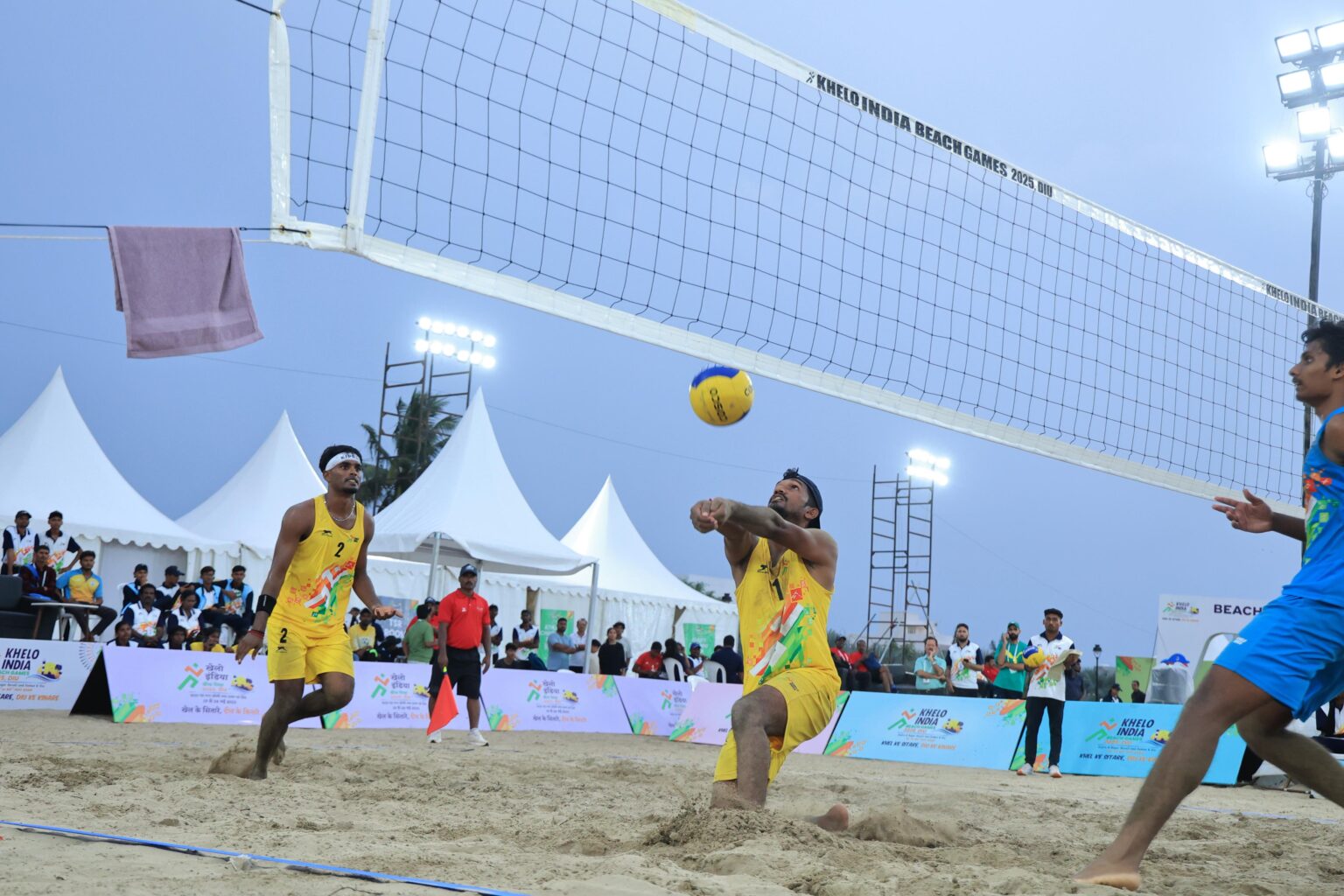
Diu’s Ghoghla Beach witnessed a significant upgrade in sporting infrastructure during the 2026 edition of the Khelo India Beach Games, reflecting India’s growing emphasis on coastal sports and event readiness. The multi-day event brought together thousands of athletes competing in disciplines such as beach volleyball, beach soccer, kabaddi, and pencak silat, underscoring both the recreational and economic potential of developing high-quality sporting venues in coastal regions.
Event and urban infrastructure analysts note that executing large-scale competitions in open coastal environments poses unique challenges, including shifting sands, tidal patterns, and weather variability. The planning and management of temporary arenas, athlete zones, spectator galleries, and support facilities required meticulous coordination across design, engineering, and operations teams. Successful delivery of these structures demonstrates the increasing professionalisation of India’s sports infrastructure sector and its capacity to handle environmentally sensitive sites. The choice of Ghoghla Beach reflects a broader trend in decentralising sports infrastructure beyond metropolitan areas, offering opportunities for regional development and tourism. Industry experts highlight that such investments in temporary and modular sporting infrastructure can catalyse long-term urban benefits, including improved local transport access, enhanced civic facilities, and greater visibility for regional talent. The integration of functional design with aesthetic appeal also reinforces the importance of user-centric planning in public sports spaces. Urban planners point out that India’s focus on beach sports infrastructure aligns with national objectives to diversify sports engagement and strengthen grassroots talent pipelines.
Properly executed events like the Khelo India Beach Games serve as testbeds for sustainable, scalable solutions in temporary and semi-permanent urban installations. These solutions are critical for ensuring athlete safety, operational efficiency, and minimal ecological impact in sensitive coastal zones. The successful management of the Games also has implications for private-public partnerships in event infrastructure. Experts note that collaborative models involving design firms, engineering consultants, and municipal authorities can enhance project efficiency while introducing innovative modular construction techniques. These techniques not only reduce setup time but also allow for post-event reuse, supporting circular economy principles in urban planning. Looking forward, the 2026 Beach Games establish a benchmark for the integration of sporting events into coastal urban strategies. Observers suggest that similar investments could support tourism, promote active lifestyles, and position regional cities as hubs for niche sports. Maintaining environmental safeguards while scaling such infrastructure will remain a key consideration for planners, ensuring that sport-led urban development contributes to sustainable and resilient coastal cities.
Overall, Diu’s Ghoghla Beach has emerged as a model for delivering high-quality, resilient sporting infrastructure in challenging environments, reinforcing India’s commitment to nurturing diverse athletic ecosystems and inclusive urban development.
Also Read: India Offers Digital Infrastructure To Commonwealth
