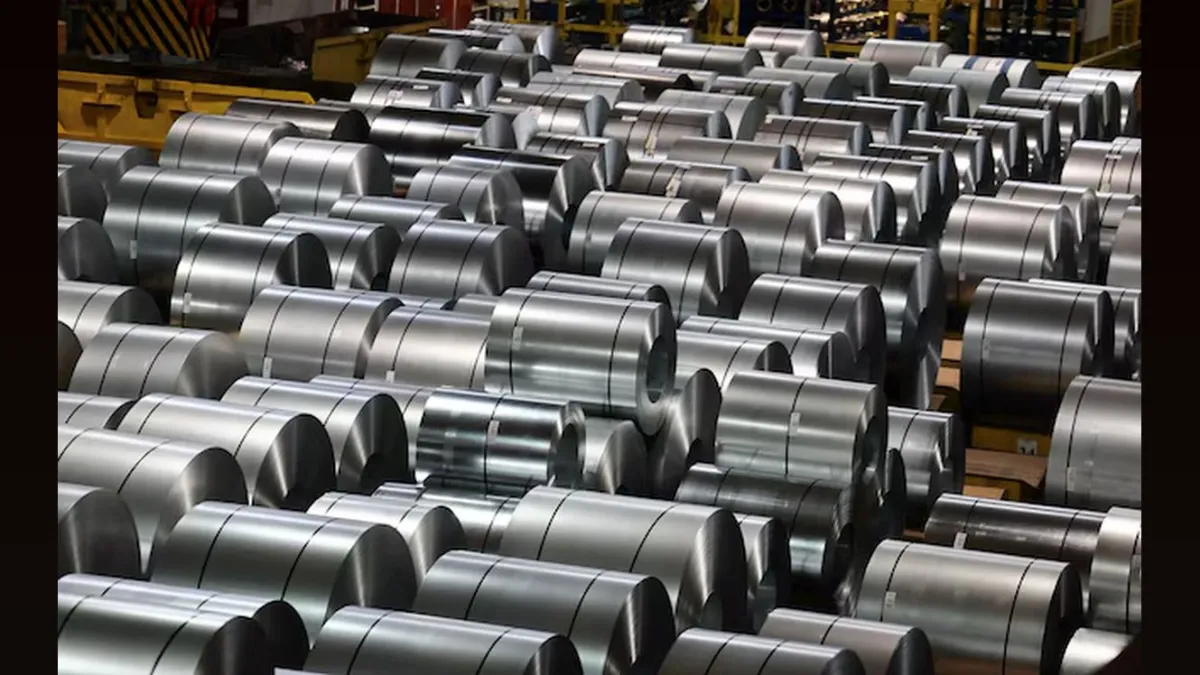
India Steel Sector Pushes Green Circular Economy Shift
India’s steel sector is being steered towards a greener, circular economy model as policymakers emphasise the need to align industrial growth with long-term sustainability goals. The push reflects a broader effort to decarbonise one of the country’s most resource-intensive industries while supporting the vision of a developed, infrastructure-driven economy.
At a recent industry forum, the Union Steel Minister highlighted the urgency of transitioning from linear production systems to circular models that prioritise recycling, resource efficiency, and reduced emissions. The India steel sector green circular economy shift is being positioned as essential to meeting both domestic infrastructure demand and international climate commitments.Steel production in India is projected to grow significantly over the next decade, driven by rapid urbanisation, expansion of transport networks, and rising demand from housing and manufacturing. However, this growth comes with environmental challenges, as traditional steelmaking processes are energy-intensive and carbon-heavy. Transitioning to circular practices—such as increased use of scrap steel and energy-efficient technologies—offers a pathway to reduce the sector’s environmental footprint.The India steel sector green circular economy shift places strong emphasis on scrap utilisation. Expanding the use of recycled steel can significantly lower energy consumption compared to primary production from iron ore. Experts note that strengthening scrap collection, processing infrastructure, and market linkages will be critical to scaling this transition.Another key component is the adoption of cleaner production technologies. Electric arc furnaces, hydrogen-based steelmaking, and carbon capture systems are being explored as alternatives to conventional blast furnace methods.
While these technologies require substantial investment, they are increasingly seen as necessary to future-proof the industry.From an urban development perspective, the shift has far-reaching implications. Steel is a foundational material for infrastructure, from high-rise buildings to transport systems. Making its production more sustainable directly influences the environmental performance of cities, particularly in terms of emissions and resource use.Industry stakeholders also highlight the economic dimension of the transition. Moving towards a circular economy can create new value chains, including recycling industries, secondary steel markets, and green technology sectors. This has the potential to generate employment while enhancing resource security.However, challenges remain. The availability of high-quality scrap, the cost of new technologies, and the need for supportive policy frameworks are key barriers to rapid adoption. Experts suggest that targeted incentives, regulatory clarity, and public-private collaboration will be essential to accelerate the transition.The India steel sector green circular economy shift also aligns with global trends, as countries increasingly impose carbon-related trade measures. Adopting sustainable practices could enhance the competitiveness of Indian steel in international markets, particularly as buyers prioritise low-carbon materials.
Looking ahead, the sector’s ability to balance growth with sustainability will be critical. As India builds the infrastructure required for a rapidly urbanising population, the materials used—and how they are produced—will shape the environmental and economic trajectory of its cities.The move towards a circular steel economy signals a fundamental shift in industrial strategy, one that integrates resource efficiency, climate resilience, and long-term economic development into the core of India’s growth story.