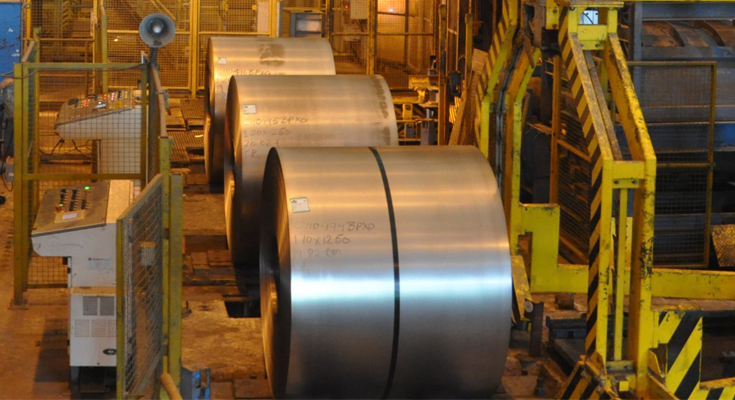
India Steel Industry Struggles With Rising Low Cost Imports
India’s steel industry is confronting mounting pressure from low-cost imports, raising concerns about domestic competitiveness at a time when infrastructure-led demand is expected to drive long-term growth.An assessment highlighted in a central bank bulletin points to a surge in cheaper steel imports over the past two financial years, driven largely by lower global prices and excess capacity in major producing nations. This has intensified the ongoing India steel import pressure trend, with domestic manufacturers facing erosion in market share and pricing power.
Imports from countries such as China, Japan, South Korea, Indonesia, and Vietnam have increased significantly, creating a pricing mismatch that domestic producers are struggling to match. The availability of lower-priced steel has reduced capacity utilisation across Indian plants, even as consumption continues to rise steadily. This divergence between demand and domestic supply is central to the current challenge. India’s steel consumption has grown at a healthy pace—averaging double-digit growth in recent years—driven by infrastructure projects, real estate development, and industrial expansion. However, domestic production has not kept pace, widening the gap and increasing reliance on imports.For the built environment sector, the implications are significant. Steel remains a foundational material for urban infrastructure—used extensively in housing, transport networks, and commercial construction. While cheaper imports may reduce input costs in the short term, sustained India steel import pressure could weaken domestic manufacturing capacity, affecting long-term supply stability.
The situation has also triggered policy responses. Safeguard duties have been introduced to curb dumping and provide temporary relief to domestic producers. These measures have helped moderate import growth in recent months, but industry observers caution that structural competitiveness issues remain unresolved. Experts suggest that the current phase reflects deeper global imbalances. Excess production capacity in major exporting countries has led to aggressive pricing strategies, making markets like India—where demand is expanding—particularly vulnerable to import surges. This dynamic is expected to persist unless global supply-demand conditions stabilise.At the same time, the sector faces internal challenges. Cost pressures related to raw materials, logistics inefficiencies, and the need for technological upgrades continue to affect competitiveness. The central bank analysis emphasises the need for a balanced approach—combining trade safeguards with investments in efficiency, innovation, and sustainable production practices. From an urban development perspective, strengthening domestic steel production is critical. As India accelerates infrastructure investment and aims to expand its construction capacity, reliance on external supply chains could introduce vulnerabilities—particularly during periods of global disruption.
Looking ahead, addressing India steel import pressure will require coordinated action across policy, industry, and technology. Enhancing domestic capacity, improving cost structures, and advancing low-carbon steel production will be key to ensuring resilience.As cities expand and infrastructure demand intensifies, the ability of India’s steel sector to remain competitive will play a defining role in shaping the pace and sustainability of the country’s urban growth.