India Steel Coil Price Hike Impacts Construction Costs
India’s steel producers are preparing to increase hot rolled coil (HRC) prices by up to ₹3,500 per tonne, signalling renewed cost pressures across the metals value chain even as domestic demand remains steady. The move reflects a recalibration in pricing strategies as manufacturers respond to higher input costs and improving global price benchmarks.
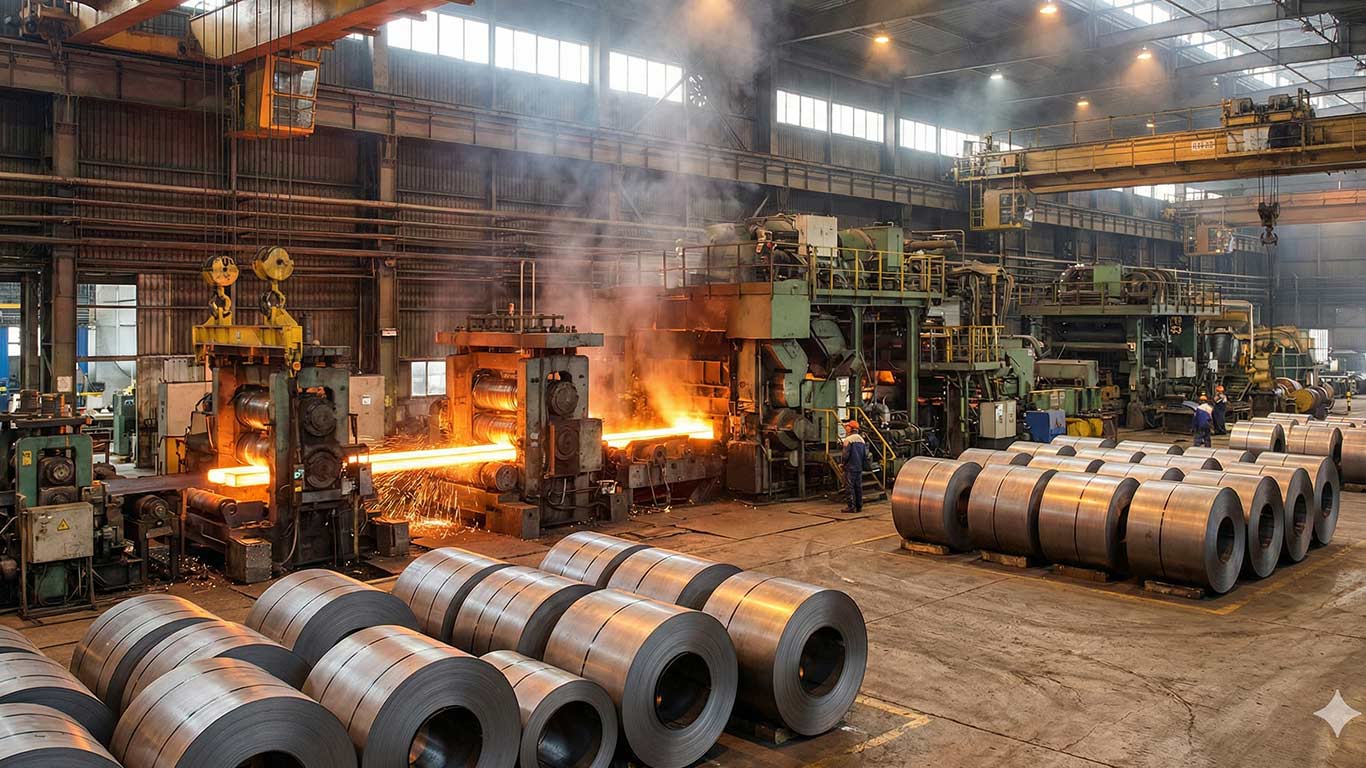
The India steel coil price hike is being driven primarily by rising costs of essential raw materials such as coking coal and iron ore, alongside firming international steel prices. Industry executives indicate that margins have come under pressure in recent months, prompting producers to align domestic pricing more closely with global trends.Hot rolled coils are a key intermediate product used across sectors including construction, automotive manufacturing, and infrastructure development. As a result, the India steel coil price hike is expected to have a ripple effect across multiple industries, particularly those linked to the built environment.For infrastructure projects and real estate developments, steel constitutes a significant portion of input costs. An increase in coil prices could lead to higher project budgets, especially for large-scale developments such as highways, metro systems, and commercial buildings. While developers may absorb some of the increase in the short term, sustained price escalation could eventually impact project viability and timelines.At the same time, demand fundamentals remain strong. Government-led infrastructure spending and continued activity in the housing sector are supporting steel consumption across the country.
Industry observers note that the India steel coil price hike is partly enabled by this demand resilience, which allows producers to pass on some of the cost increases without significantly affecting volumes.The pricing adjustment also reflects global market dynamics. Steel prices in international markets have shown signs of recovery, influenced by supply constraints and demand stabilisation in key economies. Indian producers, operating in an increasingly interconnected market, are aligning their pricing strategies to maintain competitiveness in both domestic and export segments.From a structural perspective, the India steel coil price hike highlights the ongoing consolidation within the sector. Larger, integrated producers are better positioned to manage fluctuations in raw material costs, while smaller players may face greater challenges in maintaining margins. This dynamic is expected to continue shaping the competitive landscape in the coming years.Sustainability considerations are also beginning to influence cost structures. As steelmakers invest in cleaner production technologies and emission reduction initiatives, additional capital expenditure may gradually be reflected in pricing. This transition, while necessary for long-term environmental goals, adds another layer of complexity to cost management in the sector.
Looking ahead, the trajectory of steel prices will depend on how input costs evolve and how demand holds up across infrastructure and construction segments. For India’s urban development agenda, maintaining a balance between affordability and supply stability will be critical.The India steel coil price hike underscores the interconnected nature of industrial inputs and urban growth—where shifts in commodity pricing can directly influence the pace, cost, and sustainability of building the country’s next generation of infrastructure.