


Urban Acres | Strategic Affairs & Connectivity Desk | April 26, 2025
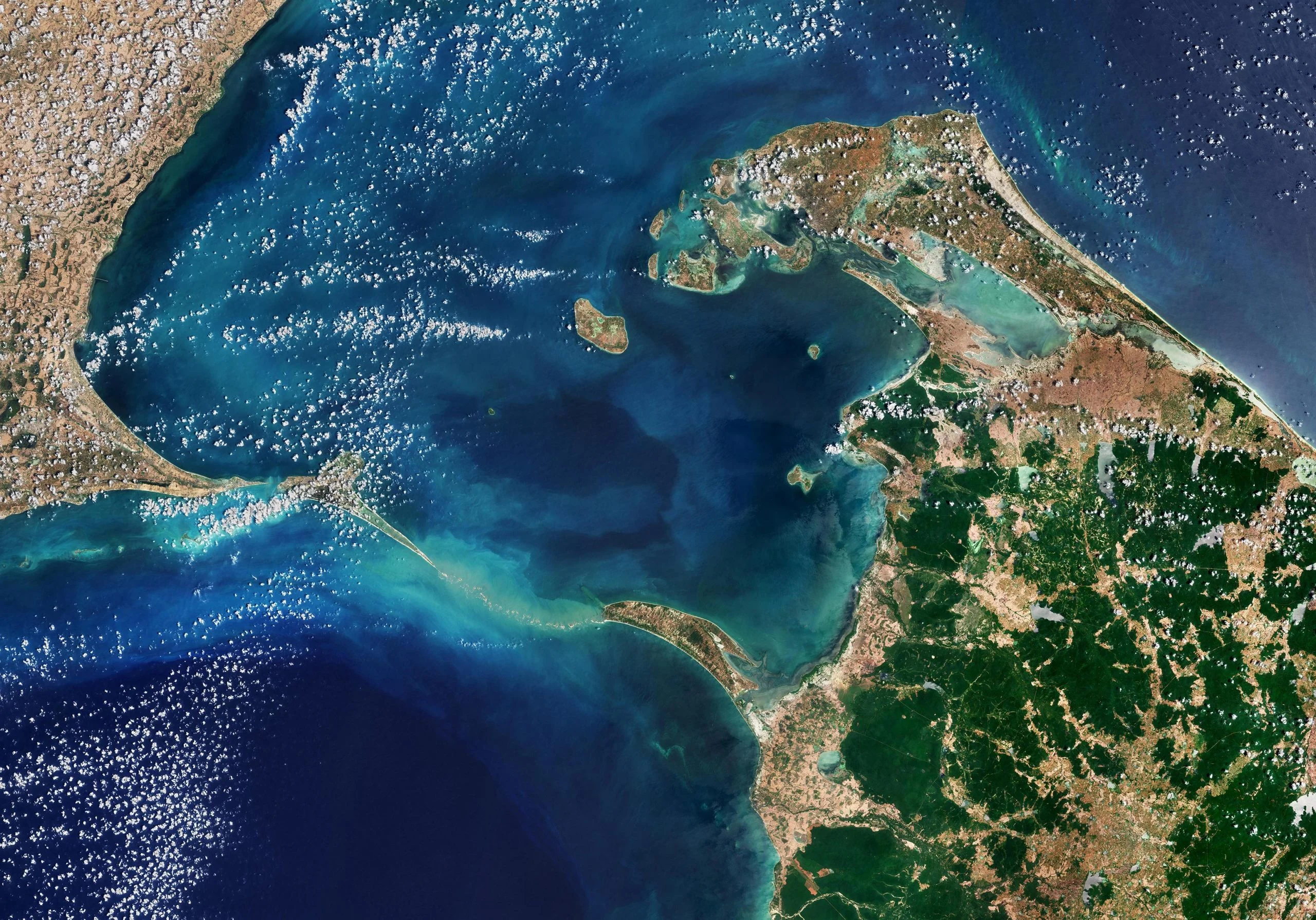
Sri Lanka’s recent decision to reject the proposed land bridge connecting Dhanushkodi in Tamil Nadu to Talaimannar in Sri Lanka is being framed as a move to protect sovereignty and environmental interests.
Yet, from a broader Indian perspective, it represents a profound missed opportunity — a chance not just for connectivity, but for pioneering a new model of regional integration that could have aligned security, prosperity, and sustainability.
Historically, the Palk Strait was never a barrier. For millennia, it was a bridge of commerce, culture, and community between India and Sri Lanka. Trade, religious exchange, and migration naturally flowed across these waters, creating bonds that predated modern political boundaries. The land bridge project sought to renew this historical connectivity, but with a vision that matched the demands of a 21st-century world — one where sustainable infrastructure, low-carbon mobility, and climate resilience must be core priorities.
Critics have voiced concern about the ecological sensitivity of the region, and rightly so. The Palk Bay is a fragile marine ecosystem, home to dugongs, rare turtle species, and coral habitats. But advances in environmental engineering now make it possible to construct infrastructure that does not just minimize harm but actively enhances ecological recovery. Elevated spans could have allowed uninterrupted marine migration corridors. Artificial reefs and marine restoration programs, now standard practice in global sustainable infrastructure projects, could have helped regenerate coral life, while bioengineered coastal defenses could have stabilized the fragile shorelines and mitigated future climate impacts. Instead of damaging the marine environment, the bridge could have helped protect it.
also read : https://urbanacres.in/bmc-hits-property-tax-target-for-2024-25/
In terms of carbon impact, rejecting the bridge sustains a status quo that is far less sustainable. Hundreds of ferries, cargo ships, and short-haul flights operating between India and Sri Lanka contribute to significant marine and atmospheric pollution annually. A clean-energy powered land link — integrating electric transport corridors for passengers and freight — would have provided a faster, more efficient, and dramatically lower-emission alternative. In an era when both India and Sri Lanka have made ambitious commitments to decarbonize under global climate agreements, such an initiative would have strengthened rather than undermined environmental objectives.
The economic and social dividends would have been equally transformative. The bridge was not designed to serve only commercial interests. It was a vision for decentralizing economic activity, reviving historically marginalized northern Sri Lanka, and creating opportunities for sustainable tourism, agriculture, small-scale manufacturing, and energy cooperation between the two nations. By boosting eco-tourism and fostering green supply chains, the project could have created a new engine of rural prosperity while reducing the pressure on already overburdened urban centers.Strategically, embracing the bridge would have positioned Sri Lanka at the center of a climate-resilient, India-led regional growth corridor, enhancing its leverage rather than reducing it.
In an increasingly competitive Indian Ocean region, stronger economic integration with India would have provided a counterbalance to external pressures and reinforced Sri Lanka’s autonomy through shared prosperity rather than isolation.
Sri Lanka’s concerns about sovereignty and environmental preservation are valid and deserve respect. Yet it is equally true that sustainable connectivity today is not a threat to sovereignty; it is an amplifier of strategic and economic security. Modern history is rich with examples where infrastructure, built thoughtfully and with ecological foresight, has reduced conflict, expanded opportunity, and anchored national resilience.
The decision to reject the land bridge reflects a risk-averse mindset at a moment when boldness was needed. It misses the opportunity to demonstrate how two ancient neighbors could jointly create a global model for green infrastructure diplomacy — one that reconnects without colonizing, that empowers without dominating, and that heals the environment while advancing human progress.
In the long arc of India-Sri Lanka relations, bridges have always mattered more than boundaries. The physical bridge may remain unbuilt today, but the greater challenge — and opportunity — is to keep building the bridges of trust, sustainability, and shared destiny that geography and history have long demanded.
also read : https://urbanacres.in/indian-researchers-unveil-sustainable-material-for-ai-water-and-energy-solutions/
India-Sri Lanka Land Link: A Lost Chance to Reimagine South Asia
