


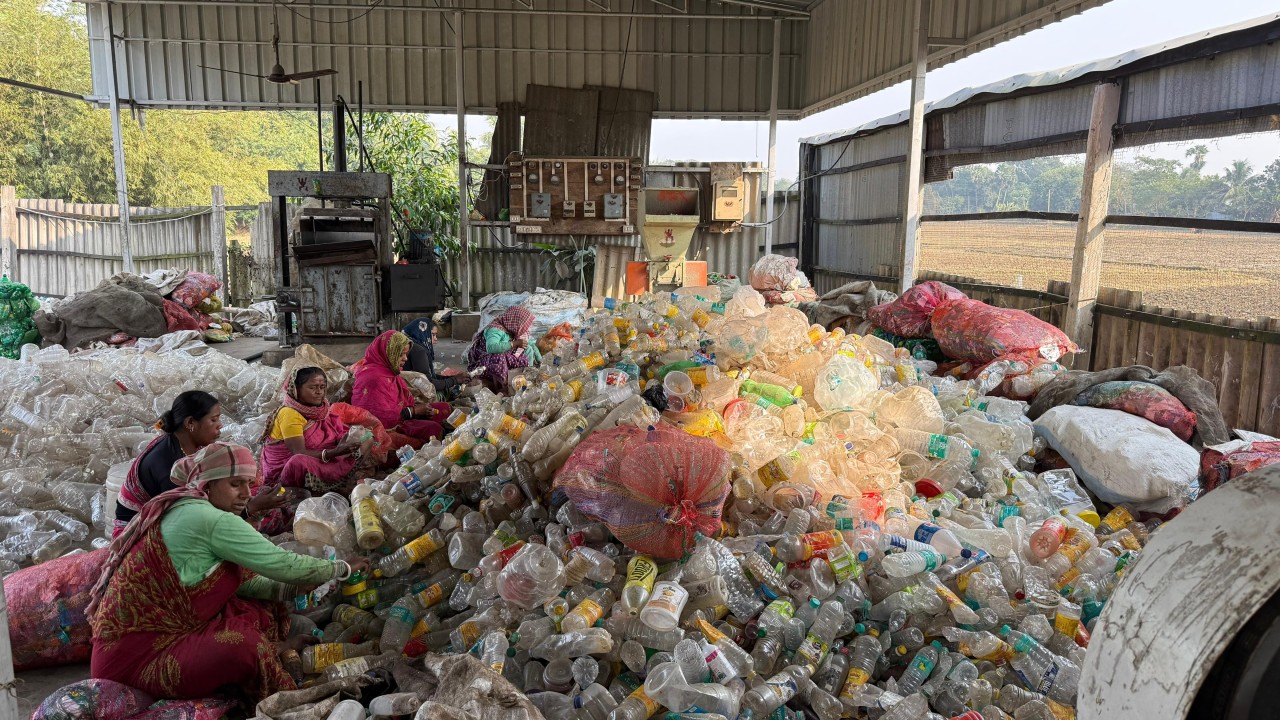
Households and housing complexes across India will soon be required to adopt a four-bin waste segregation system under the revised Solid Waste Management Rules 2026, notified by the Union environment ministry. The rules, which come into force on April 1, 2026, mandate segregation at source into wet waste, dry waste, sanitary waste and special care waste — a move aimed at strengthening recycling systems and reducing landfill dependence.
For cities such as Chennai, where rapid urbanisation has intensified pressure on dumping grounds and processing facilities, the Solid Waste Management Rules 2026 represent both an opportunity and an operational challenge. Municipal authorities will need to reconfigure collection logistics, upgrade material recovery facilities and ensure consistent enforcement to make segregation effective beyond paper compliance.The new framework replaces the 2016 rules and embeds principles of circular economy and extended producer responsibility. Bulk waste generators — defined by thresholds of built-up area, water consumption or daily waste output — must process biodegradable waste on site or secure formal certification if on-site treatment is unfeasible. Urban planners say this provision could reshape how large residential complexes and commercial campuses design their waste infrastructure.
Material Recovery Facilities (MRFs) are expected to play a larger role as decentralised sorting hubs for recyclable and specialised waste streams, including e-waste and sanitary waste. Under the revised rules, local bodies are accountable for coordinating collection and transportation in alignment with these facilities. The rules also encourage municipalities to explore carbon credit mechanisms linked to waste diversion and biomining of legacy dumpsites.Officials within the Greater Chennai Corporation indicate that awareness drives and phased system adjustments are planned to align with the Solid Waste Management Rules 2026. Battery-operated collection vehicles currently in use can be adapted to carry multiple segregated streams, but route planning and public communication will be critical.
Resident associations in several neighbourhoods have already experimented with decentralised composting and the two-bin system. However, the addition of sanitary and special care waste as distinct categories will require behavioural change and clearer disposal protocols. Waste management professionals argue that consistent monitoring and contractor accountability will determine success more than rule-making alone.Infrastructure gaps remain a concern. Experts note that segregation without adequate downstream processing capacity risks contamination and re-mixing of waste. Investment in processing plants, data tracking through the proposed centralised portal, and third-party audits of facilities will be essential to build public trust.
From a climate perspective, improved segregation can reduce methane emissions from organic waste in landfills and strengthen recycling markets for plastics and metals. For dense urban regions, this translates into lower environmental risk and improved public health outcomes.As April approaches, the effectiveness of the Solid Waste Management Rules 2026 will hinge on coordinated action between households, housing societies, waste contractors and municipal bodies. The shift signals a structural transition in how Indian cities manage waste — from disposal-driven systems to resource recovery models aligned with sustainable urban growth.
Also Read:RERA strengthens accountability in property transactions
India Solid Waste Management Rules 2026
