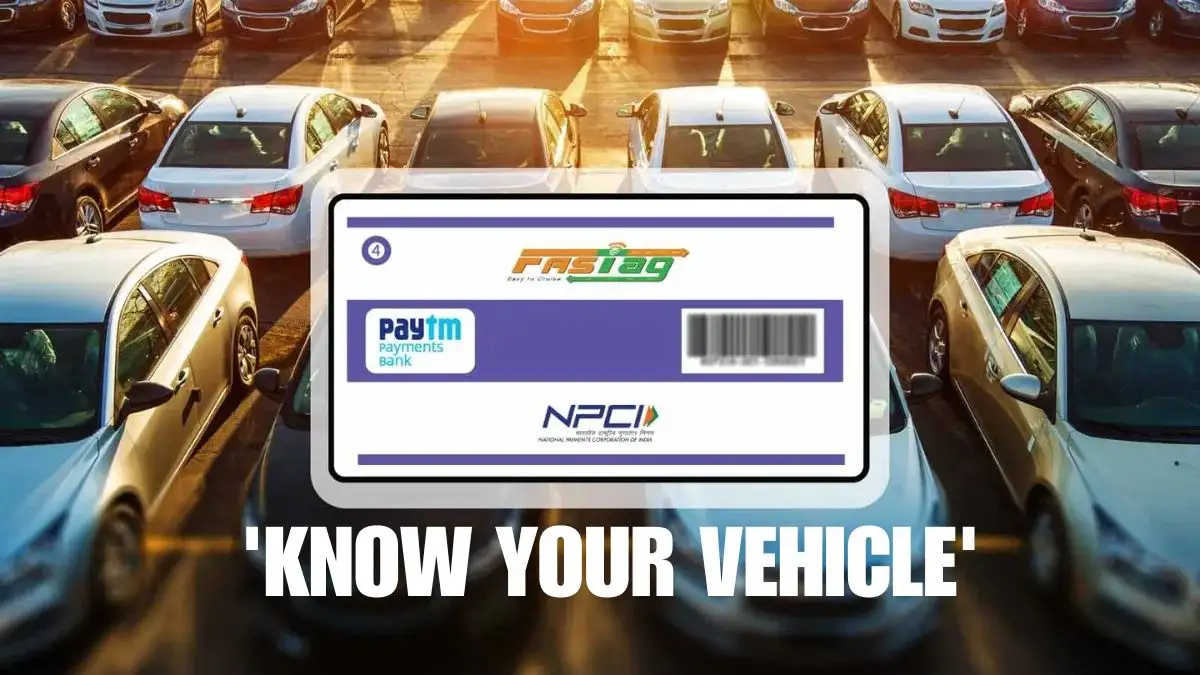
India Simplifies FASTag Verification Rules To Improve User Experience And Toll Efficiency
The National Highways Authority of India (NHAI) has introduced major simplifications to the FASTag Know Your Vehicle (KYV) process, easing verification requirements for millions of road users. The move follows widespread complaints about complex procedures and sudden deactivations of FASTags due to incomplete documentation.
Under the revised guidelines issued by the Indian Highways Management Company Limited (IHMCL), FASTag users will no longer face deactivation for delays in completing KYV verification. Instead, they will be given ample opportunity to submit details, and banks have been directed to send regular reminders to help users stay compliant.The changes come as part of a broader effort to strengthen the FASTag ecosystem ahead of India’s planned rollout of the Multi-Lane Free Flow (MLFF) tolling system a barrierless toll collection model that aims to eliminate congestion at toll plazas and enable smoother, faster intercity travel.
Among the most significant updates, users are now required to upload only a front image of the vehicle showing the number plate and the FASTag affixed to the windshield. The earlier requirement for multiple images, including side photographs to verify axles, has been dropped to simplify the process.In addition, the system will now automatically fetch registration details directly from the government’s VAHAN database once a user enters their vehicle number, chassis number, or registered mobile number. This will ensure consistency of data and reduce manual entry errors. For users who own multiple vehicles, the platform will display all registered numbers, allowing them to select the specific vehicle for verification.
FASTags issued before completion of the KYV process will remain active unless a complaint of misuse or tag tampering is reported. This change aims to prevent disruption for legitimate users while maintaining system integrity.NHAI has also reinforced customer support by directing all issuing banks to handle KYV-related grievances proactively. In cases where users face difficulties uploading documents, banks will now bear the responsibility of contacting the customer and completing verification before service suspension. Complaints can be raised via the National Highway Helpline (1033).
Industry experts have welcomed the reform, calling it a “critical step” towards building a more inclusive and efficient digital tolling network. By reducing friction in compliance, the initiative is expected to encourage higher FASTag adoption and improve traffic flow at toll plazas a key step toward sustainable, technology-driven highway management.