


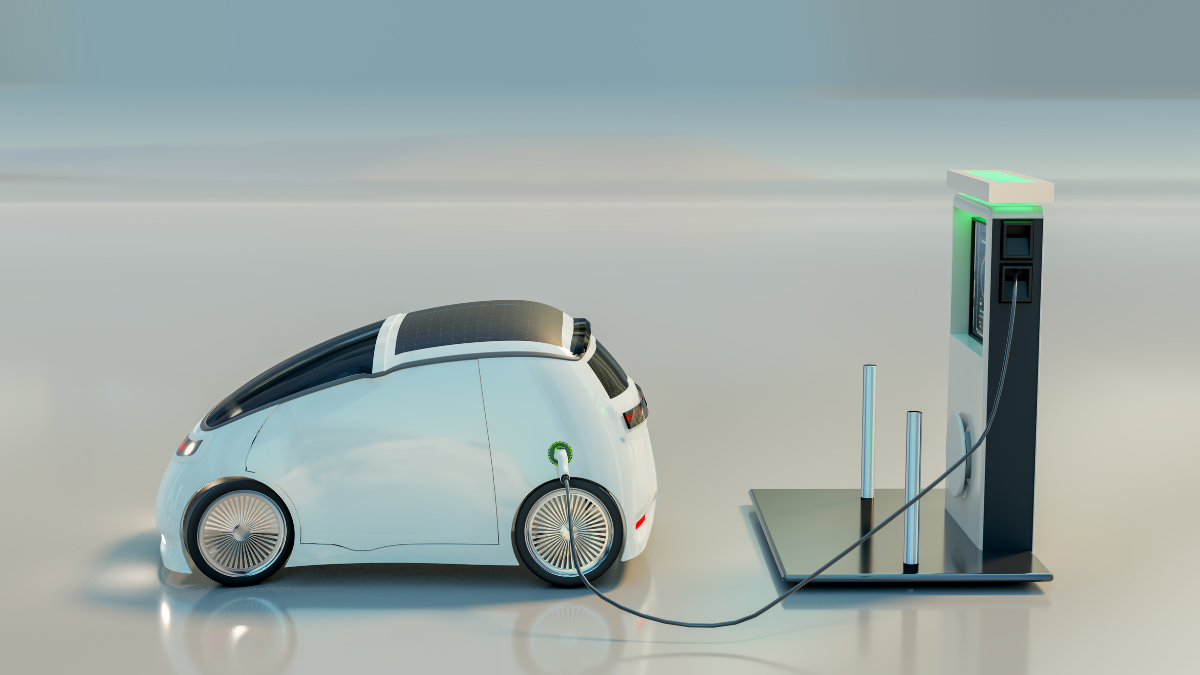
The Government has rolled out comprehensive guidelines aimed at revolutionising electric vehicle (EV) charging infrastructure. Announced on September 17, 2024, by the Ministry of Power, these guidelines set ambitious targets for the establishment of charging stations in urban and highway locations by 2030.
The new framework mandates that urban areas will host a dense network of EV charging stations, with at least one station every square kilometre by the end of this decade. This initiative addresses a significant barrier to EV adoption—accessibility to charging facilities. Additionally, the guidelines stipulate that major highways and expressways will feature fast-charging stations every 100 kilometres, catering specifically to long-range and heavy-duty electric vehicles, such as buses and trucks. A cornerstone of the new policy is the integration of solar energy within charging stations, encouraging operators to utilise renewable sources for power. This not only aligns with the government’s broader environmental goals but also aims to reduce carbon emissions associated with electric transport. The guidelines propose differential pricing for electricity, offering reduced rates during solar hours to promote the use of clean energy.
To catalyse the establishment of charging stations, the guidelines include various incentives for charge point operators. These range from the provision of public land at promotional rates to streamlined procedures for electricity connection approvals. The government is committed to ensuring that the cost of electricity for these stations remains below the average supply cost until March 2028, thereby encouraging more operators to set up facilities. The implementation of these guidelines is anticipated to encourage public-private partnerships involving state agencies, power utilities, and private stakeholders. This collaborative approach is critical for the swift expansion of the EV charging network, which is expected to create job opportunities and stimulate economic activities related to manufacturing, installation, and maintenance.
With these guidelines, India is laying a robust foundation for the transition to electric mobility. The government’s commitment to developing a nationwide network of accessible and environmentally friendly EV charging stations not only supports the nation’s climate goals but also positions India as a leader in sustainable transportation. As the charging network expands, the convenience of owning an electric vehicle is likely to increase, heralding a greener future. The government’s strategic approach reflects a dedication to transforming India’s transportation landscape, ultimately leading to a significant reduction in carbon emissions and fostering a cleaner environment. With a proactive stance on sustainable transportation, India is poised to embrace a new era of mobility that prioritises both efficiency and environmental responsibility.
