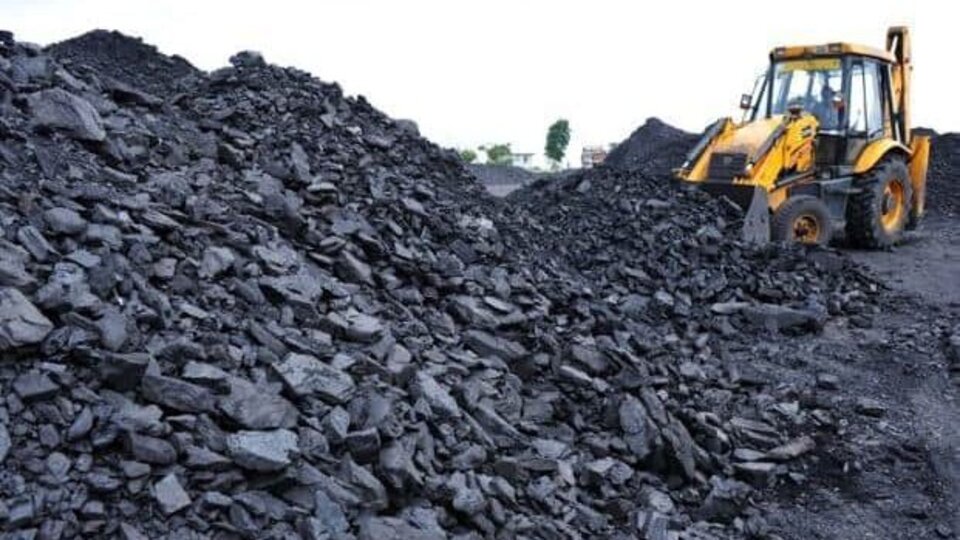
India’s reliance on coal for electricity took an uncommon turn in 2025 as generation from coal-fired plants contracted by around 3 per cent, a rare annual decline not seen in more than five decades. The contraction occurred even as overall power demand rose modestly and coal capacity continued to expand, signalling early effects of a structural shift in India’s energy mix towards cleaner sources and slower demand growth.
Last year’s decrease in coal power output was influenced by multiple factors: accelerated deployment of renewable energy capacity, including solar and wind; milder weather reducing demand for cooling; and slower overall electricity demand growth. Renewable generation in India climbed sharply, with additions of utility-scale solar and wind capacity outpacing the growth of fossil-fuel generation, reshaping the annual supply balance. For the power sector, which contributes about 40 per cent of the nation’s carbon emissions, this downturn is significant. Coal has traditionally supplied around 70 per cent or more of India’s electricity, underpinning industrial growth, urbanisation and basic energy security. The recent dip is therefore both an indicator of evolving generation trends and a prompt for policymakers and industry to rethink investment and regulatory frameworks to support a more resilient and climate-aligned grid.
Industry analysts point out that renewable power growth accounted for a considerable portion of the fall in coal generation. A jump in solar output, complemented by increases in wind and large hydropower generation, collectively reduced dependence on thermal plants during peak and off-peak hours. Cleaner generation now covers a larger share of incremental electricity demand, reducing the run-time of coal stations and prompting questions about future capacity utilisation. Yet the context is complex. India continued to commission new coal capacity even as generation from existing plants fell. This points to a potential mismatch between planned infrastructure and evolving demand patterns, raising concerns about under-utilised assets and financial stress for producers of coal-based electricity. Distributed renewables and grid flexibility measures are becoming increasingly central to meeting peak consumption without reverting to fossil fuel defaults.
Weather patterns and demand dynamics also played a role. A milder year attenuated the typical energy load driven by cooling needs, further enabling renewables to displace coal generation. Analysts caution, however, that annual variations in weather and demand can produce short-term dips that may not yet reflect a long-term structural peak in coal’s role. For utilities and regulators, the emergent pattern presents both opportunities and challenges. Expanding grid infrastructure to integrate higher shares of intermittent energy, unlocking investment in storage and smart dispatch technologies, and recalibrating long-term capacity plans will be essential to sustain and deepen this transition.
As India pursues its target of 500 GW of non-fossil power capacity by 2030 and navigates energy security priorities, the decline in coal generation in 2025 offers a glimpse of what a lower-carbon power mix could entail while highlighting the policy and market reforms needed to consolidate these early gains.