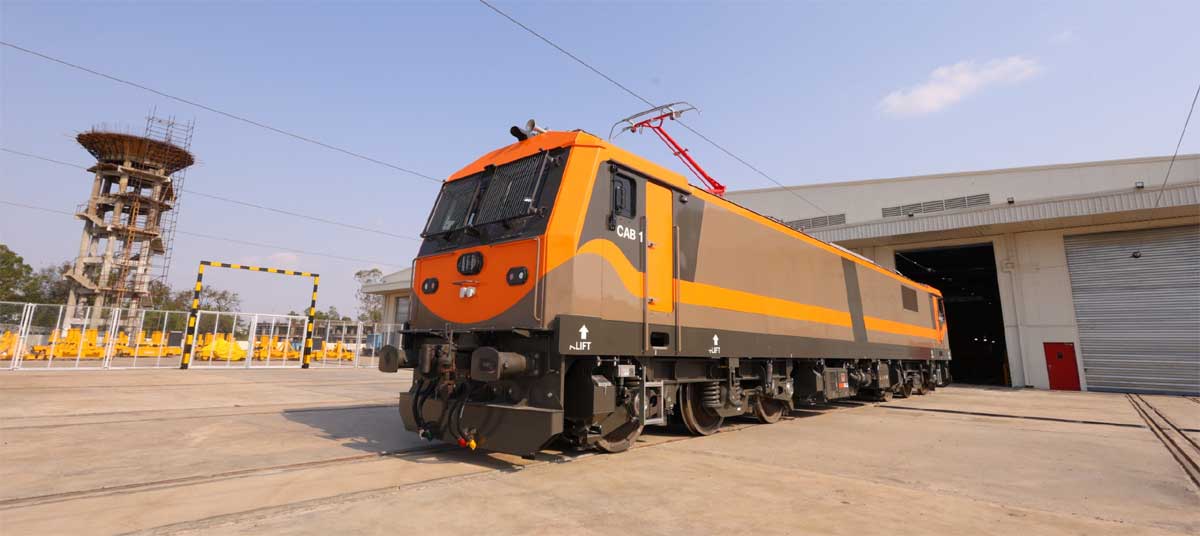
Gujarat, has emerged as a pivotal player in India’s green transportation revolution with the launch of the first 9,000-horsepower electric freight locomotive.
This milestone is part of a significant collaboration between Indian Railways and Siemens Mobility, aiming to modernise the nation’s freight infrastructure. The Dahod facility, constructed in under two years, is set to produce 1,200 high-powered electric locomotives over the next 11 years. This initiative not only underscores India’s commitment to sustainable transport but also positions Dahod as a significant hub in the country’s railway manufacturing landscape.
Each locomotive, designated as the D9 series, boasts a haulage capacity of 5,800 tonnes and a top speed of 120 km/h. These specifications are tailored to enhance the efficiency of India’s freight corridors, aiming to shift a larger share of goods transport from road to rail. Siemens’ involvement extends beyond manufacturing. The company is entrusted with the maintenance of these locomotives for 35 years, utilising its Railigent X platform for predictive maintenance. This ensures optimal performance and reduces downtime, aligning with the broader goal of a more reliable and efficient rail network.
The locomotives are equipped with advanced features such as the Kavach safety system and green propulsion technology, reinforcing the commitment to safety and environmental sustainability. These innovations are pivotal in reducing carbon emissions and promoting eco-friendly transportation solutions. The Dahod project is a testament to the ‘Make in India’ initiative, with approximately 90% of the technologies being domestically produced. This not only boosts local employment but also fosters the development of ancillary industries in the region.
In a broader context, this development aligns with India’s ambition to increase the railway’s share in freight movement from 27% to around 45%. By enhancing the capacity and efficiency of freight trains, the country aims to reduce its reliance on road transport, thereby decreasing traffic congestion and lowering greenhouse gas emissions. The Dahod facility’s transformation from a former steam locomotive unit to a modern electric locomotive manufacturing plant symbolises India’s journey towards sustainable development. This project not only revitalises a previously underdeveloped region but also sets a precedent for future infrastructure projects across the country.
As India continues to invest in green technologies and sustainable infrastructure, the Dahod locomotive project stands as a beacon of progress, showcasing the nation’s dedication to building an eco-friendly and efficient transportation network.
India Rolls Out 9000 HP Eco Freight Locomotive