


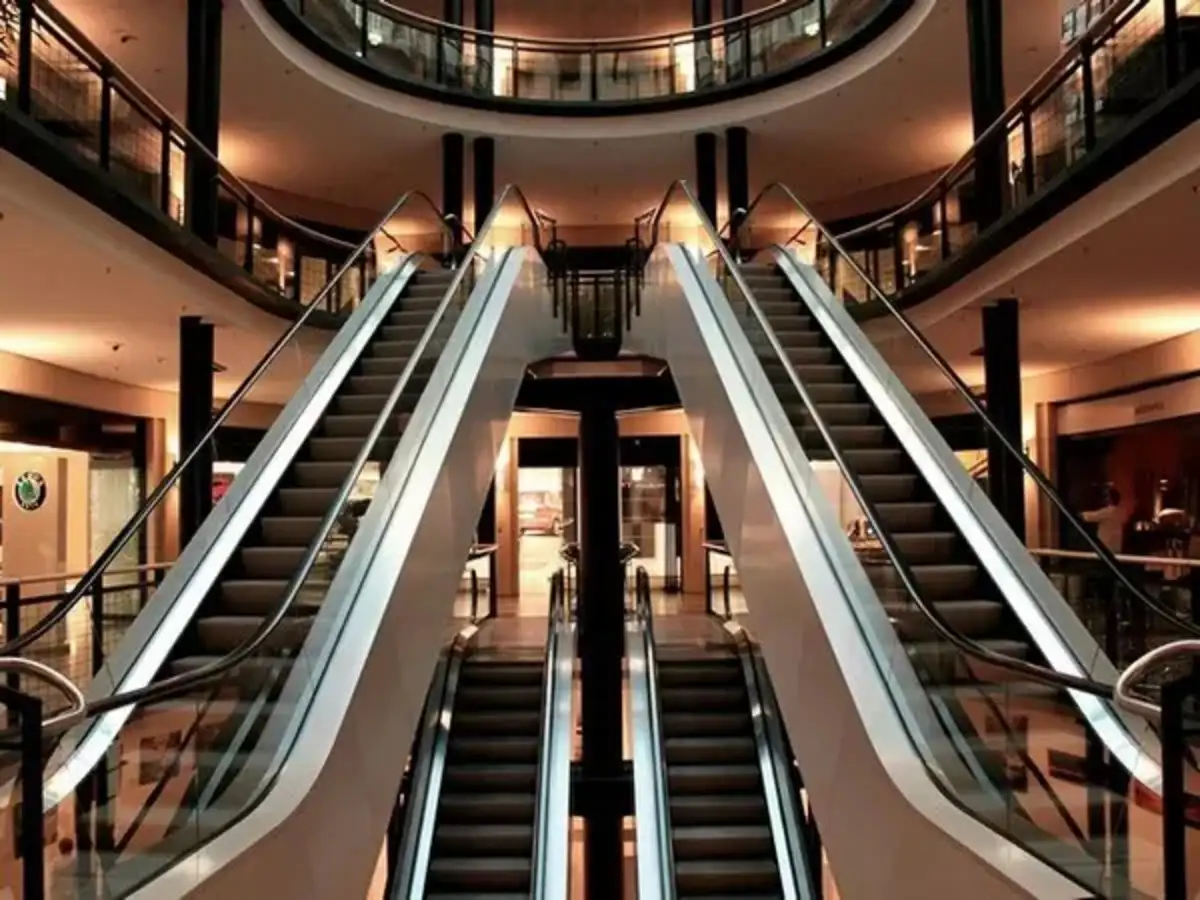
India’s organised retail real estate market closed 2025 with its strongest leasing performance on record, underscoring the sector’s growing resilience amid global economic uncertainty. Total retail leasing across major cities reached 8.9 million sq. ft during the year, signalling sustained confidence in domestic consumption and the continued relevance of physical retail in India’s urban economy.
The milestone comes at a time when international markets remain unsettled by geopolitical tensions, trade disruptions, and tariff-related volatility. Yet, rather than retreating, retailers across categories expanded their brick-and-mortar footprint, particularly in cities offering a mix of infrastructure growth, rising incomes, and evolving consumer lifestyles. Industry experts point to the second half of the year as a turning point, when new mall completions and high-street developments enabled faster absorption. New retail supply rose sharply to 4.3 million sq. ft in 2025, reflecting a renewed development cycle focused on organised, experience-led assets. Southern India emerged as a key growth engine, with Hyderabad accounting for more than half of the fresh supply delivered during the year. Mumbai and the Delhi-NCR region followed, reinforcing their status as mature but still active retail destinations. Urban planners note that improved transport connectivity and mixed-use zoning have made newer retail clusters more viable for long-term leasing. Demand patterns also point to a gradual diversification beyond traditional strongholds. Total absorption stood at 5.6 million sq. ft, with Hyderabad leading leasing activity, followed by Delhi-NCR and Chennai. These shifts highlight how retailers are recalibrating expansion strategies to balance occupancy costs with access to emerging consumer bases. Secondary metros with modern infrastructure are increasingly viewed as lower-risk alternatives to overcrowded, high-rent locations.
Fashion and apparel remained the dominant leasing driver, accounting for nearly half of all transactions. The category saw strong participation from sustainable labels, ethnic wear brands, and digital-first companies establishing offline presence. Food and beverage operators continued to expand selectively, favouring large-format, experiential outlets that integrate dining with entertainment. Jewellery brands, including lab-grown diamond formats, also increased their footprint, adding depth to tenant mixes within malls. Technology is reshaping how physical retail space is designed and monetised. AI-enabled tools such as virtual try-ons, inventory optimisation systems, and personalised in-store experiences are improving productivity rather than replacing physical formats. Mall owners are also rethinking large floor plates, integrating entertainment and interactive zones that support longer dwell times and higher ancillary spending. While domestic retailers accounted for the bulk of leasing, international brands maintained steady expansion, encouraged by stable inflation, tax reforms, and improving consumer sentiment. Longer lease tenures and higher engagement levels are strengthening income visibility for developers, improving asset valuations.
As India’s cities continue to grow, the record retail leasing performance of 2025 reflects a sector adapting to changing consumer behaviour while reinforcing the role of well-planned retail spaces in inclusive, economically resilient urban development.
Also Read: Mumbai Infrastructure Push Leaves PAPs Uncertain
India Retail Leasing Reaches Historic Peak
