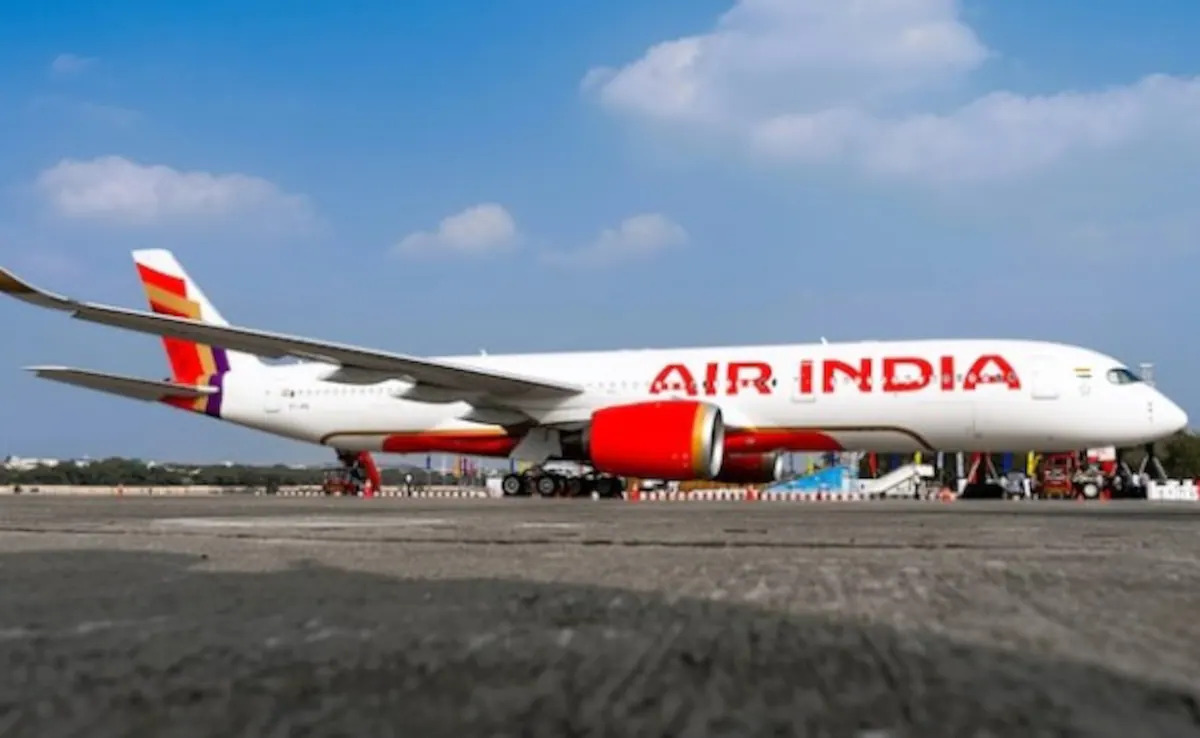
New Delhi has signalled a significant shift in its foreign policy, granting approval for aircraft leasing agreements between Indian and Turkish airlines. This strategic decision marks a de-escalation of tensions that had impacted aviation ties, and comes as a crucial relief for domestic carriers grappling with operational challenges posed by the persistent closure of Pakistani airspace. The move, which permits Indian airlines to extend their leases with Turkish counterparts, underscores a pragmatic approach to economic and logistical realities over political disagreements, ensuring the stability and sustainability of air travel for thousands of passengers.
The Directorate General of Civil Aviation (DGCA) has greenlit a six-month extension for an Indian airline to lease two Boeing 777 aircraft from a Turkish carrier. This reversal of a prior directive, which had restricted the lease to a mere three months, is a direct response to the operational hurdles faced by airlines. The Pakistani airspace ban forces flights to take longer, fuel-intensive routes, making shorter-range aircraft unsuitable for the India-Turkey sector. Without the larger, more efficient wide-body jets, the route would become financially unviable for Indian carriers, potentially ceding the entire market to foreign airlines and leading to a spike in ticket prices for consumers.
Industry observers note that this development is not merely a commercial one; it is a testament to the government’s commitment to safeguarding the interests of its domestic aviation sector. A senior government official stated that allowing the leasing agreements was essential to prevent a monopoly by foreign carriers and to ensure competitive pricing and service quality for travellers. The decision also aligns with a broader agenda of promoting sustainable air travel by enabling airlines to use aircraft better suited for extended routes, thereby optimising fuel consumption and reducing the carbon footprint of each flight. The focus is on creating an equitable and robust aviation ecosystem that can withstand geopolitical pressures without compromising passenger welfare or environmental goals.
Beyond the immediate economic benefits, the move hints at a quiet but meaningful mending of diplomatic relations between the two countries. While the primary motivation is commercial, the approval of these deals represents a thawing of ties and a willingness to cooperate on matters of mutual interest. For the airline sector, the renewed confidence and stability offered by the government’s decision is invaluable. It provides a clear pathway for sustained operations and strategic planning, allowing carriers to continue serving key international routes efficiently. The resolution demonstrates that in an interconnected world, pragmatic solutions to complex problems often lie in fostering dialogue and cooperation, ultimately benefiting both the economy and the public at large. This pragmatic step helps ensure that the aviation sector remains a driver of growth and a symbol of resilient connectivity, even in the face of ongoing geopolitical challenges.