


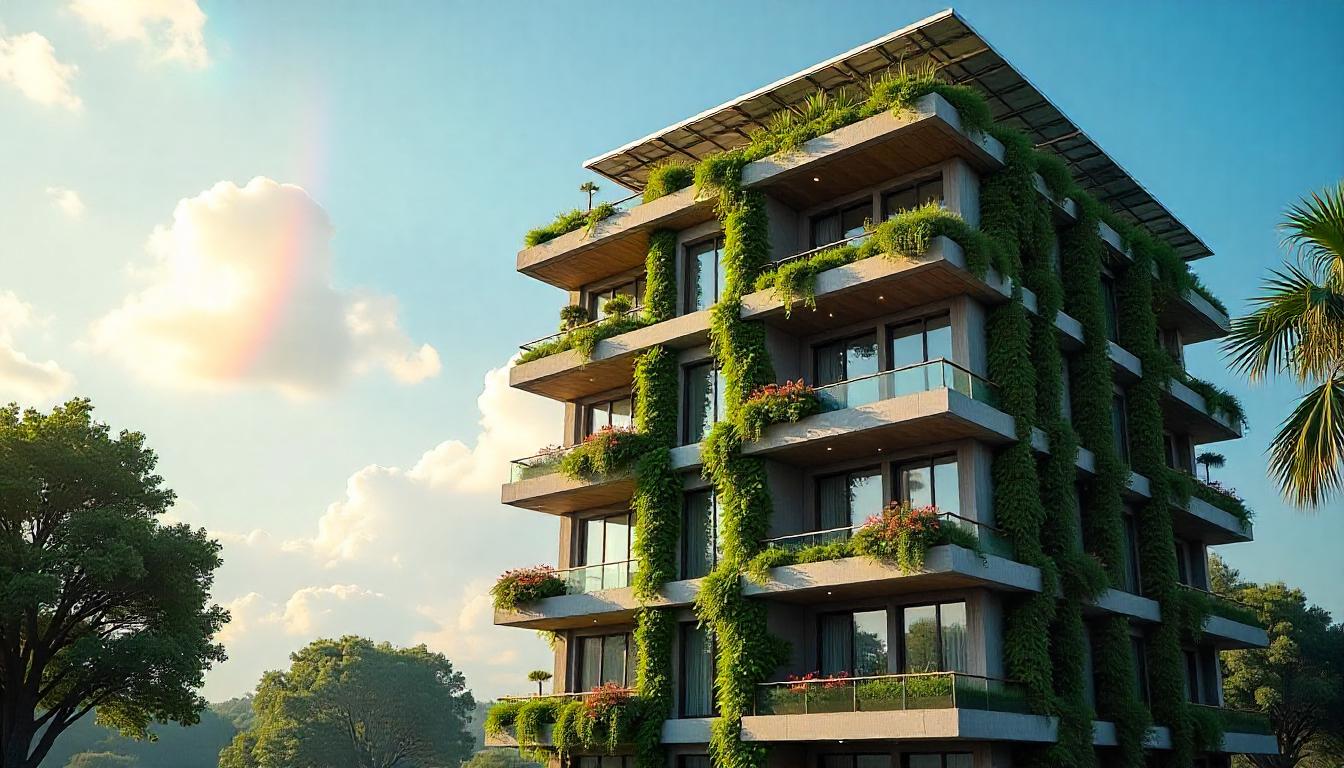
India’s residential real estate sector is entering a new phase of structural change as urbanisation, premiumisation and sustainability converge to reshape housing demand across major cities. After a prolonged period marked by high transaction volumes and rapid project launches, the market is increasingly being driven by value-led choices, where long-term liveability, infrastructure access and environmental performance carry as much weight as affordability.
This transition is most visible in large metropolitan regions, where population growth and employment concentration continue to expand city boundaries. However, residential demand is no longer gravitating indiscriminately towards dense urban cores. Instead, buyers are favouring planned extensions and peripheral corridors supported by mass transit, road connectivity and emerging social infrastructure. Urban planners note that this pattern reflects a maturing housing market, where connectivity is evaluated not only by distance but also by reliability, commute quality and integration with daily life. Premiumisation has emerged as a defining feature of this housing cycle. Homes are increasingly being viewed as long-term lifestyle assets rather than transactional purchases. Buyers across income segments are opting for larger, better-designed residences within organised developments that offer predictable maintenance, safety and shared amenities. Industry experts observe that this shift is driven by rising purchasing maturity, higher work-from-home adoption and a growing preference for spatial comfort over short-term price considerations. At the same time, sustainability is moving decisively from the margins to the mainstream of residential decision-making. Energy-efficient construction, improved indoor air quality, water management systems and access to open green spaces are becoming baseline expectations rather than premium extras. Heightened health awareness, climate volatility and long-term utility costs are influencing buyers to prioritise homes that reduce environmental impact while improving everyday well-being.
This alignment between housing demand and environmental performance is also reshaping developer strategies. New residential projects are increasingly designed around transit-oriented planning, lower carbon footprints and community-scale green infrastructure. According to sector analysts, developments that integrate climate-responsive design and efficient resource use are likely to demonstrate stronger long-term value retention, especially as regulatory standards tighten and buyer awareness deepens. For cities, this housing transition carries broader economic and civic implications. Infrastructure-led residential growth can reduce pressure on historic cores, distribute employment access more evenly and support inclusive urban expansion. However, experts caution that sustained coordination between housing supply, public transport and social infrastructure will be essential to prevent fragmented development and rising inequality between well-served corridors and underinvested areas.
As India’s housing market moves into its next cycle, the emphasis is shifting from speed to sustainability, and from scale to quality. The success of this transition will depend on how effectively cities and developers align residential growth with climate resilience, infrastructure planning and the evolving needs of urban households.
Also Read: Mumbai Real Estate Partners Strengthen Ties Through Sport
India Residential Growth Shifts Toward Premium Green Homes
