


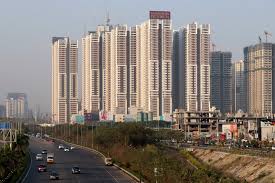
Residential rents across India’s largest employment centres have risen by as much as 25 per cent in 2025, with Mumbai and Bengaluru leading the surge. The sharp escalation reflects a tightening rental housing market driven by return-to-office mandates, rising capital values, limited new supply in core areas and sustained corporate expansion.
Data from property consultants and brokerage firms indicate that Mumbai, Delhi, Bengaluru, Noida and Gurugram recorded double-digit rental growth this year. In premium micro-markets of Mumbai, increases ranged from single digits to nearly 20 per cent, particularly in neighbourhoods close to commercial hubs. Bengaluru reported average rental growth of 18–20 per cent, while parts of Gurugram and Noida saw spikes approaching 25 per cent in select corridors. The rental housing market has tightened significantly as companies consolidate office attendance policies. Senior professionals and expatriates are increasingly choosing to live close to workplaces, driving demand for larger, amenity-rich apartments in established districts. This shift has intensified pressure on central locations where supply is constrained by redevelopment cycles, planning norms and land availability. In Gurugram, upscale residential clusters near Golf Course Road and Dwarka Expressway witnessed some of the steepest increases. In Noida, rentals along the expressway corridor climbed close to 19 per cent year-on-year, even as new luxury project launches slowed. Delhi presents a distinct dynamic: limited fresh construction within city limits has created a supply squeeze, allowing rents in South and South-East districts to outpace neighbouring NCR towns. The ripple effect is visible across income groups. While high-income tenants absorb rising costs in prime neighbourhoods, mid-segment households are increasingly pushed towards peripheral areas.
However, even these outer zones are no longer insulated from inflationary trends. Improved metro connectivity and infrastructure upgrades have made suburban pockets more accessible, narrowing price gaps between core and edge locations. Urban economists note that rental escalation is also linked to elevated property prices. As acquisition costs climb, landlords recalibrate rental expectations to preserve yields. Simultaneously, redevelopment of ageing housing stock in cities such as Mumbai temporarily reduces available inventory, further tightening the rental housing market. The trend carries broader urban implications. Escalating rents can reshape commuting patterns, strain household budgets and influence labour mobility. Cities aiming for inclusive growth and reduced carbon footprints face a delicate balance: densifying employment corridors while ensuring affordable rental options near transit networks.
Industry observers expect the rental housing market to remain firm into 2026, particularly in established business districts. Unless supply accelerates or hybrid work models ease demand in core locations, affordability pressures may deepen. For policymakers, the challenge will be to align infrastructure expansion, housing approvals and rental regulation with the realities of India’s rapidly formalising urban workforce.
Also Read: Delhi real estate resets elite benchmarks
India rental housing costs climb
