


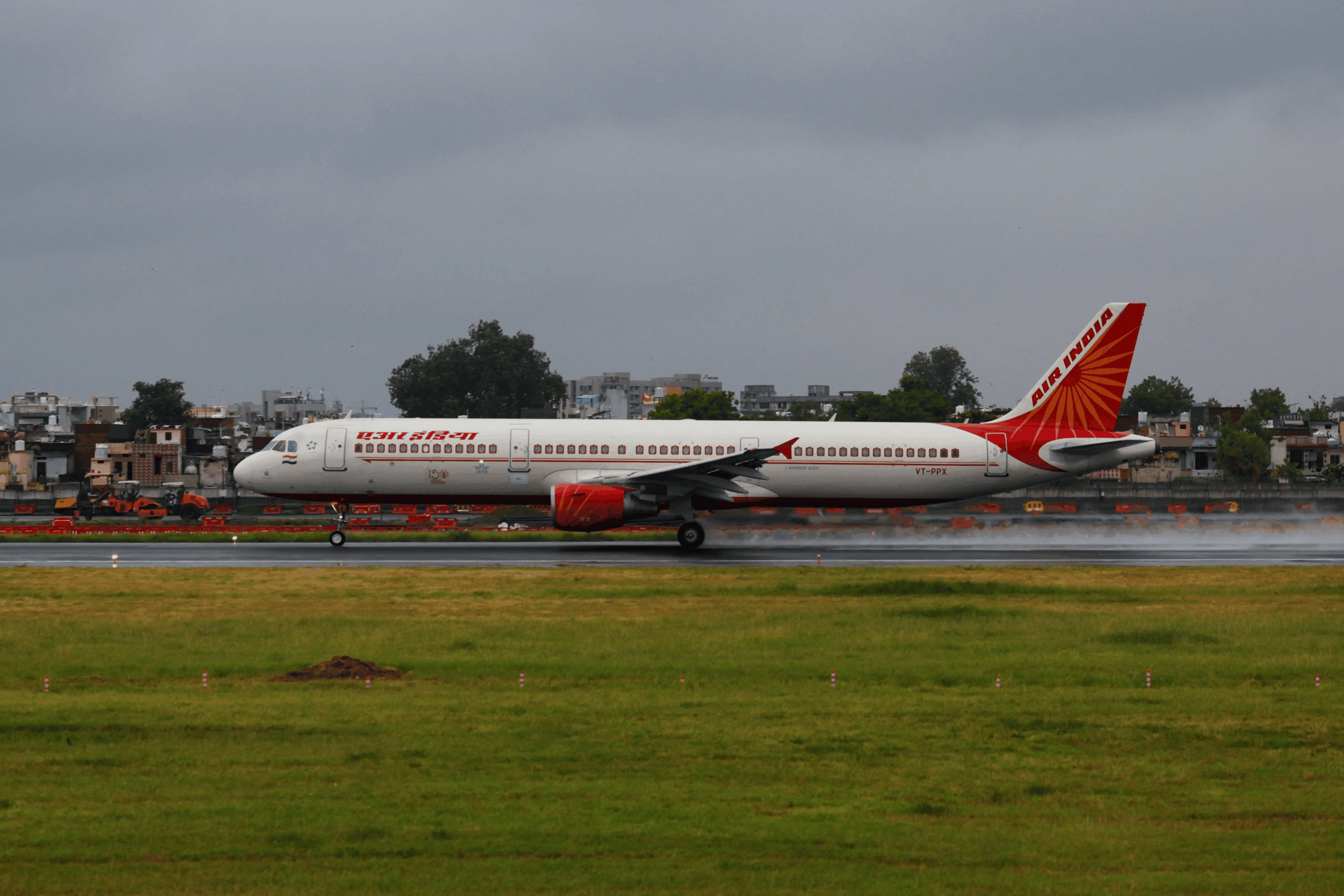
India’s aviation regulator, the DGCA, has formally warned Air India after three Airbus aircraft were found operating without timely inspections of escape slides and with outdated documentation, signalling deeper procedural deficiencies ahead of a recent fatal Boeing crash. In May spot‑checks identified three aircraft—two A320s and one A319—that flew while mandatory inspections on their emergency escape slides were overdue by two days to over three months.
One A320 missed its check by more than 30 days, servicing international routes to Dubai, Riyadh and Jeddah before finally being inspected on 15 May. The DGCA emphasised that operating with “expired or unverified emergency equipment” seriously breaches airworthiness and safety standards. The regulator also criticised Air India for slow compliance responses to identified issues, stating that such delays “further evidenc[e] weak procedural control and oversight”. In addition, it flagged outdated aircraft registration paperwork—though the airline clarified all but one aircraft now comply and there is no direct impact on safe operations. Air India, part of Tata Group since its 2022 privatisation, responded that it is fast‑tracking verification of all maintenance records, including escape slide inspection dates, and expects completion soon. One incident leading to scrutiny emerged when an engineer accidentally deployed an escape slide during routine maintenance, prompting the discovery.
A former legal expert at the Aircraft Accident Investigation Bureau underscored the gravity: escape slides are vital safety devices, and malfunctioning units pose significant risk of injury in emergencies. The DGCA has deemed the airworthiness certificates of aircraft missing mandatory checks as “deemed suspended,” effectively grounding them until compliance is verified. Documents reveal the DGCA’s warning notices and investigation report were sent days before the recent Boeing 787-8 crash from Ahmedabad that resulted in 241 fatalities. Although unrelated, the timing adds pressure on Air India, which is already coping with heightened scrutiny of safety practices and fleet renewal delays. Industry experts acknowledge that global parts shortages and ageing aircraft have complicated maintenance schedules.
A senior airline executive cautioned last year that Air India’s ageing fleet, much of which dates from 2010–11, is particularly vulnerable to operational disruption. The DGCA also highlighted systemic weaknesses. After prior notifications and deficiencies were ignored, the airline’s internal quality and planning failed to institute effective corrective action—evidence of “systemic control failure” Regulatory sources confirm that such violations attract monetary and civil penalties for both the airline and responsible individuals. This warning adds to a history of DGCA safety actions: in the previous financial year alone, more than 12 actions involved Air India and its subsidiary, including fines for unauthorised cockpit access and insufficient oxygen on board. The DGCA’s action comes amid a broader safety overhaul following the Ahmedabad disaster.
The regulator has ordered enhanced inspections of Air India’s Boeing 787 fleet and demanded pilot training records and dispatcher data as part of a nationwide safety review . These developments place a spotlight on Air India’s operational resilience. While the airline is making public commitments to rectify maintenance tracking and quality systems, the DGCA’s findings suggest deeper reforms are needed to rebuild public confidence and reinforce sustainable, equitable air travel. Public safety and trust hinge on such reforms—not only to prevent future incidents on the ground but also to align airline operations with environmental and social responsibility goals, including lower‑carbon, reliable air connectivity for India’s cities.
Also Read :Mumbai to Lucknow Air India Flight Cancelled Over Operational Disruptions
