


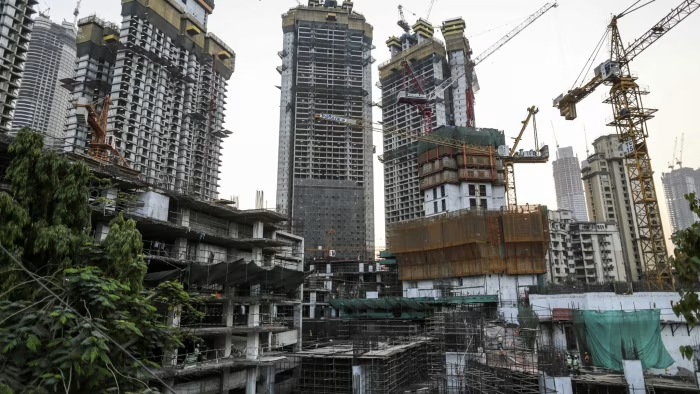
India’s residential real estate sector is entering 2026 under a cloud of caution, with falling stock prices and slowing headline sales data shaping investor sentiment. Yet beneath this surface-level slowdown, large, listed developers across major urban centres are reporting stable cash flows, consistent bookings and a strategic recalibration that is cushioning them from wider market volatility. The divergence matters not just for markets, but for cities navigating affordability, density and long-term housing supply.
Across India’s top metropolitan regions, housing transactions declined during 2025 as higher interest rates, elevated prices and job market uncertainty weighed on buyer decisions. New project announcements also moderated, reflecting a more conservative stance by developers wary of oversupply. For households, this has translated into fewer fresh options and rising ticket sizes, especially in employment-driven cities with constrained land availability. However, industry analysts point out that aggregated city-level data masks a significant shift in how established developers operate. Instead of expanding aggressively into new geographies, many have prioritised “sustenance” projects additional phases and launches within existing townships or well-established corridors. This approach lowers land acquisition risk, shortens approval timelines and allows builders to respond more precisely to real demand rather than speculative growth. Residential prices, meanwhile, have continued to climb across most large cities. Strong demand for well-located, infrastructure-linked housing has kept values firm, even as overall volumes soften. For urban planners, this raises a critical challenge: ensuring that price stability does not come at the cost of inclusivity. As mid-income households are pushed further to city peripheries, the pressure on transport systems, energy use and carbon emissions intensifies.
Another defining feature of the current cycle is the growing dominance of premium housing in sales value. Larger homes, gated communities and mixed-use developments with integrated amenities are driving revenue growth, even where unit sales are flat. Developers argue that this reflects changing household preferences for quality, sustainability features and access to social infrastructure rather than speculative buying. From a business perspective, the strategy has helped listed developers maintain balance sheet discipline. Limited exposure to new land purchases has reduced leverage, while predictable cash inflows from existing projects have supported construction schedules and debt servicing. Market observers note that this operational stability is not yet reflected in share prices, which continue to track broader concerns about economic growth and affordability.
Looking ahead, the sector’s resilience will depend on how effectively developers align future supply with climate-resilient design, efficient land use and affordable housing needs. Policymakers, too, face a narrowing window to encourage greener construction, rental housing and transit-oriented development. The current slowdown may be less a crisis than a transition one that will shape how Indian cities grow more sustainably in the decade ahead.
Also Read: Faridabad Sees Renewed Confidence In Mixed Use Development
India Real Estate Slowdown Masks Developer Strength
