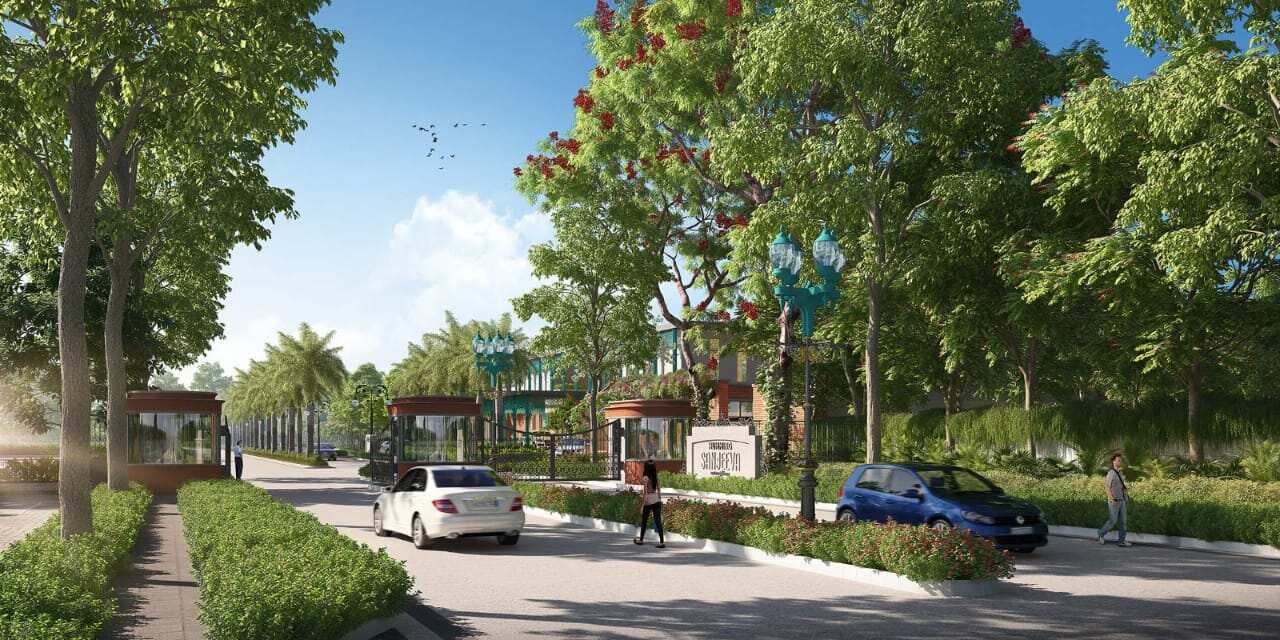
India Real Estate Shift Toward Trust And Sustainability
India’s property market is undergoing a structural reset, with developers in key urban corridors such as Bengaluru recalibrating projects around transparency, sustainability, and long-term urban value. This shift marks a departure from earlier decades when fragmented regulation and opaque transactions dominated the sector, often eroding buyer confidence.
Industry observers note that the India real estate shift has been driven as much by regulatory tightening as by evolving consumer expectations. Homebuyers today demand verifiable land titles, predictable delivery timelines, and greater accountability factors that are now shaping how projects are planned and executed. Developers operating in high-growth belts like east Bengaluru have increasingly adopted compliance-led models, prioritising due diligence and clear documentation as baseline requirements rather than differentiators. Urban planners say this transition is also influencing how cities expand. Earlier patterns of high-density construction, often prioritising short-term returns, are giving way to lower-density layouts with integrated green spaces and community infrastructure. This reflects a broader recognition that liveability access to open areas, mobility networks, and social amenities is central to long-term urban resilience. The India real estate shift is therefore not only a market correction but also a response to environmental and quality-of-life concerns.
Technology has emerged as a critical enabler in this transformation. Digital platforms now allow buyers to track construction progress, access approvals, and engage with developers more transparently. While this reduces information asymmetry, sector experts caution that digital tools alone cannot replace institutional accountability. Consistent customer engagement and post-sale service remain essential to sustaining trust, particularly in a market where property purchases represent long-term financial commitments. The sector’s evolution is also aligning more closely with national economic priorities. Real estate development is increasingly viewed through the lens of job creation, infrastructure integration, and planned urbanisation. Large-scale residential projects are being designed alongside transport corridors and employment hubs, signalling a more coordinated approach to city-building. This alignment is expected to play a crucial role as India continues to urbanise at scale over the next decade.
At the same time, sustainability considerations are becoming integral rather than optional. Developers are incorporating energy-efficient construction techniques, water management systems, and climate-responsive designs. Experts suggest that such measures will be critical as cities face rising environmental stress, including heat and water scarcity. Looking ahead, analysts believe the sector’s credibility will hinge on its ability to maintain this momentum. Transparent governance, responsible land use, and inclusive planning will determine whether the gains of the past decade translate into more equitable and climate-resilient urban growth. For India’s rapidly expanding cities, the next phase of real estate development will be judged not just by supply, but by how well it serves people, communities, and the environment.