


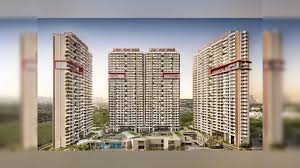
India’s residential market is undergoing a clear reordering of priorities as homebuyers increasingly gravitate towards mid-to-premium housing across metros and fast-growing cities. The shift is not confined to luxury enclaves but reflects broader changes in income security, infrastructure access and expectations from urban living. For cities already under pressure to deliver inclusive and climate-resilient growth, this trend is reshaping how housing demand is structured.
Data from housing consultants and lending institutions suggests that a larger share of new launches and sales is now concentrated in the mid-to-premium category. Rising household incomes, particularly in technology, financial services and professional sectors, have expanded the number of buyers able to stretch beyond entry-level housing. Industry experts say this marks a structural upgrade in purchasing power rather than a short-term response to market cycles. Equally important is the changing definition of value. Buyers are no longer assessing homes solely on size or headline price. Proximity to employment hubs, reliable transport links and access to everyday services now carry greater weight. Urban planners note that this preference aligns with people-first development principles, where reduced commute times and better neighbourhood design improve productivity and quality of life while lowering transport-related emissions. Lifestyle considerations are also influencing demand. Projects offering shared open spaces, fitness facilities and energy-efficient features are recording stronger absorption. Sustainability elements such as water recycling, solar power and natural ventilation are increasingly seen as risk-mitigation measures rather than optional add-ons. According to architects and developers, these features are becoming baseline expectations in mid-to-premium housing India markets, particularly among younger buyers.
Infrastructure investment has played a catalytic role. Metro rail networks, expressways and airport-led development corridors have expanded the geography of choice, enabling buyers to consider newer districts without sacrificing connectivity. This has supported mid-to-premium housing India demand not only in large metros but also in Tier 2 and Tier 3 cities where job creation and civic upgrades are advancing together. Confidence in the sector has further strengthened after regulatory reforms improved transparency and delivery discipline. Clearer timelines and disclosure norms have encouraged households to commit to higher-value purchases with greater assurance. Housing finance professionals note that stable borrowing conditions have also helped buyers plan longer tenures and manage larger ticket sizes. Price trends mirror this rebalancing. While affordable housing continues to see steady demand, the sharpest appreciation has been observed in mid-to-premium and high-quality residential stock, particularly in cities with strong employment fundamentals. Analysts caution, however, that sustained growth will depend on keeping supply aligned with real incomes and ensuring that affordability gaps do not widen excessively.
As India’s cities continue to expand, the rise of mid-to-premium housing underscores a broader transition toward more aspirational yet utility-driven urban living. The challenge ahead lies in ensuring that this upward shift supports equitable access, efficient infrastructure use and long-term environmental resilience rather than deepening urban divides.
Also Read: Mumbai Ghatkopar Emerges As Balanced Housing Hub
India Real Estate Sees Premiumisation Trend
