


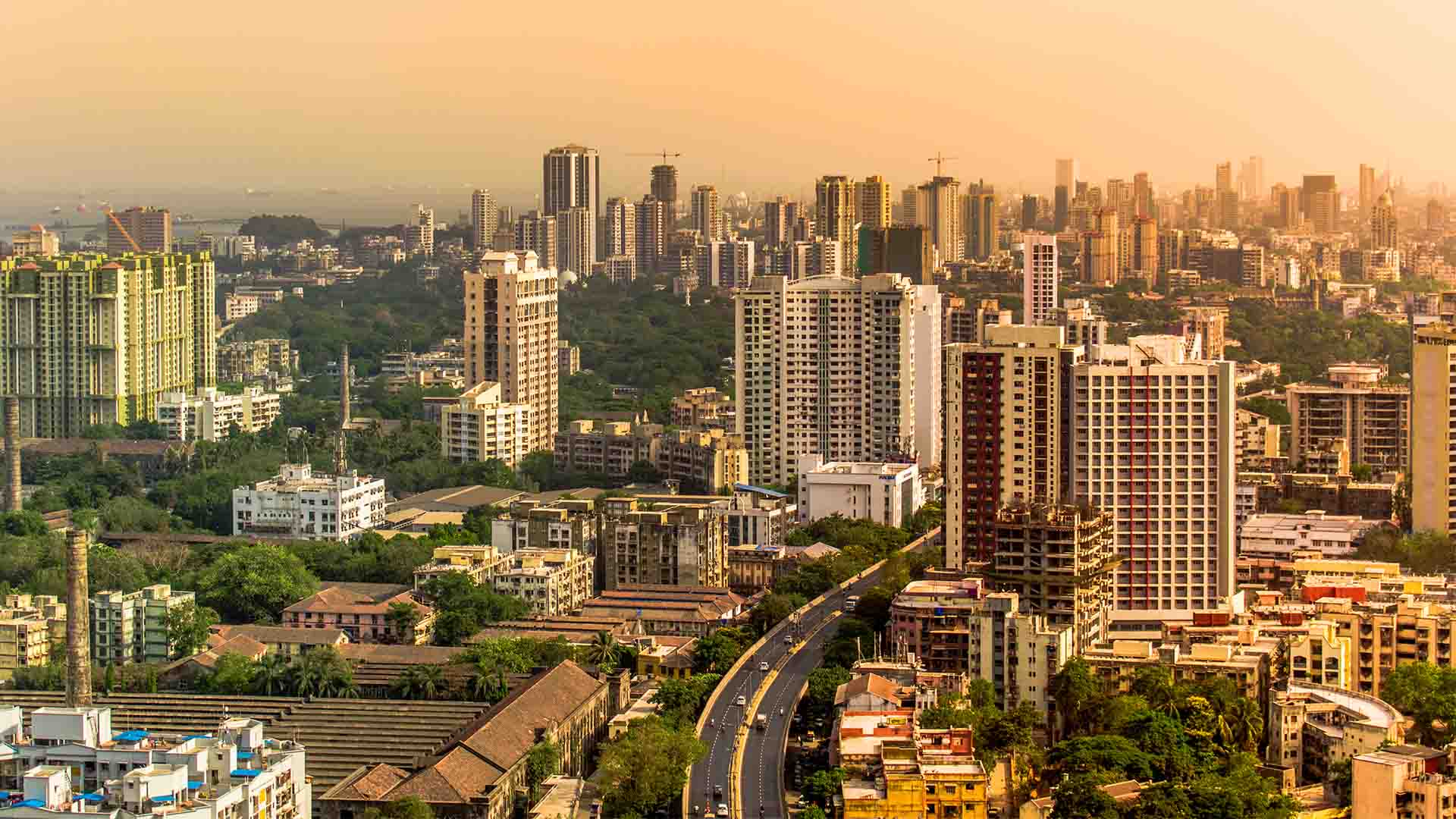
India’s real estate sector has entered 2026 on a cautiously optimistic footing, with industry indicators pointing towards steady, broad-based growth rather than rapid expansion. After navigating a year marked by global volatility and domestic recalibration, property markets across housing, offices, retail and logistics are expected to progress in a more disciplined and sustainable manner, reflecting the sector’s increasing maturity.
This outlook matters beyond balance sheets. Real estate remains deeply intertwined with employment generation, urban infrastructure and household wealth, making its trajectory a key signal of wider economic health. Analysts say the current phase reflects stronger fundamentals rather than speculative momentum, an important shift for cities grappling with affordability, climate risk and infrastructure stress. Macroeconomic resilience has played a role in shaping sentiment. India’s economy recorded robust growth through the previous fiscal year, supported by domestic consumption and public investment even as global trade conditions remained uncertain. Policy adjustments, including targeted fiscal measures and a supportive monetary stance, have helped stabilise borrowing costs, improving the feasibility of both home purchases and commercial development. Residential markets are expected to remain active in 2026, particularly in mid-income and premium segments. Urban planners note that demand is increasingly driven by end-users rather than investors, reflecting changing preferences for larger homes, better amenities and proximity to employment hubs. At the same time, developers are under growing pressure to integrate energy efficiency, water management and climate-resilient design as regulatory scrutiny and buyer awareness increase. Commercial real estate is projected to continue its upward trajectory, led by office leasing in technology, financial services and global capability centres. Flexible workspaces are likely to expand further as companies balance hybrid work models with the need for collaborative environments.
Southern cities are expected to remain key office hubs, while western and northern markets may gradually gain share as infrastructure improves. Logistics and warehousing are also emerging as structural growth drivers. The expansion of e-commerce, manufacturing and regional supply chains has increased demand for organised, compliant facilities near consumption centres. Industry experts say this segment could play a critical role in decentralising growth and creating jobs beyond major metros. Retail real estate, meanwhile, is evolving rather than declining. While traditional high-street formats face pressure, well-planned mixed-use developments and neighbourhood centres are attracting footfall by offering experiential spaces that combine shopping, services and community interaction. Tier-II and Tier-III cities are expected to feature more prominently in the next phase of growth. Improved connectivity, industrial corridors and regional employment clusters are shifting housing and commercial demand beyond the largest metros, raising important questions around urban governance and sustainable planning.
Looking ahead, specialists caution that sustained progress will depend on execution discipline, regulatory clarity and continued investment in urban infrastructure. As India’s cities expand, the challenge for the real estate sector in 2026 will be to align growth with livability, resilience and inclusivity rather than sheer scale.
Also Read: Mumbai Slum Redevelopment Work Gains Global Recognition
India Real Estate Outlook Signals Steady Sustainable Expansion
