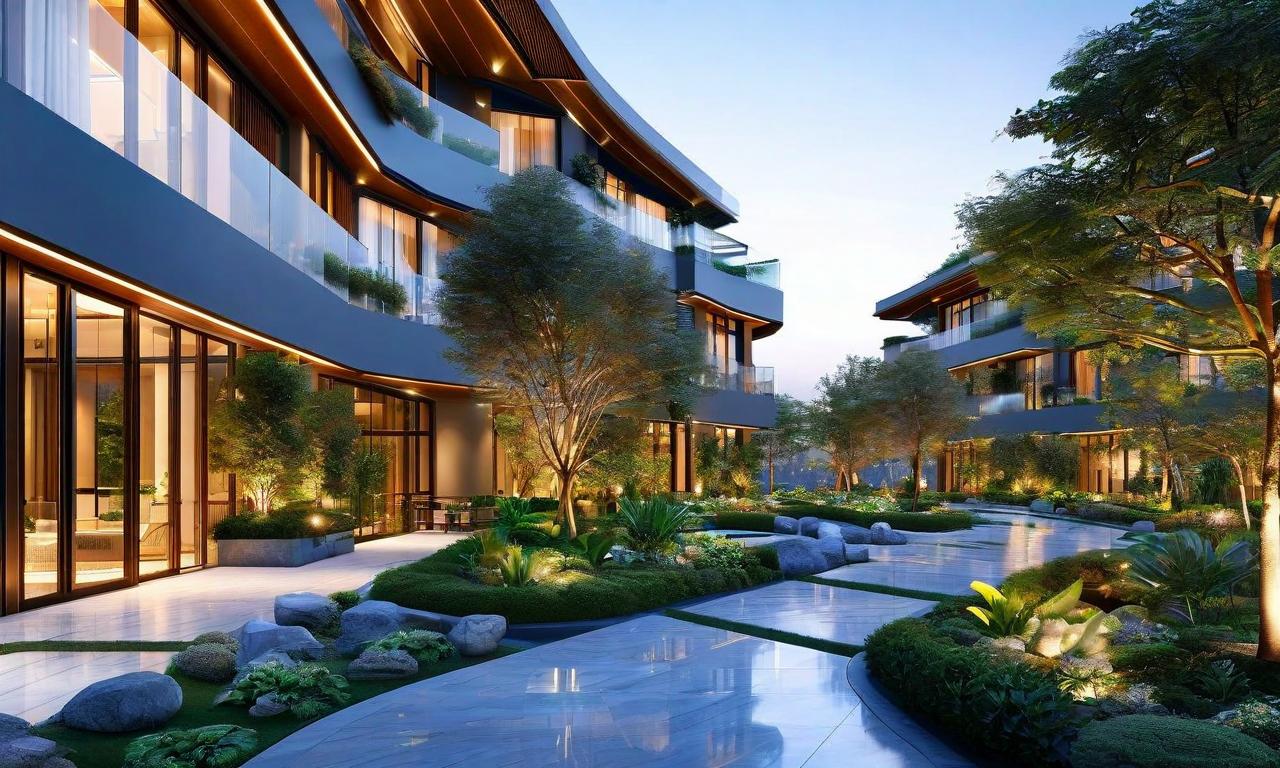
India Real Estate Market Embraces Branded Residences
India’s premium housing market is undergoing a structural shift as branded residences rapidly gain traction across major metropolitan regions. Once limited to a handful of global cities, this format of luxury housing developed in partnership with international hospitality, fashion, or design brands is now expanding across urban India. Industry assessments indicate that the country ranks among the top global markets for such developments, reflecting rising affluence, international exposure among buyers, and a growing appetite for hospitality-driven residential living.
In simple terms, branded residences are high-end homes created through collaborations between real estate developers and globally recognised lifestyle or hospitality brands. These homes are typically integrated with curated services similar to luxury hotels, including concierge support, professional property management, private amenities, and design-led interiors associated with the partner brand. Because of this combination of real estate and hospitality experience, such properties often command premiums of 30–40 per cent over conventional luxury housing. Large Indian cities including Delhi NCR, Mumbai, Bengaluru and Hyderabad are witnessing a noticeable expansion of this segment. According to sector analysts, India already accounts for a measurable share of the global pipeline of branded residential developments, with several projects currently under construction or in advanced planning stages. Among domestic markets, the National Capital Region has emerged as one of the fastest-growing centres for branded luxury housing. Areas in Gurugram and parts of Noida are attracting significant investment due to improved connectivity, access to business districts, and the availability of large development parcels that enable ultra-premium residential projects. Urban planners note that infrastructure upgrades such as expressways, metro expansion and proximity to international airports have helped reposition these micro-markets as destinations for high-end living.
Planned luxury enclaves, some spanning over 100 acres, are now being designed to host multiple branded residential towers integrated with retail, hospitality and leisure spaces. Industry observers say demand is being driven by a new generation of affluent buyers many of whom have lived or worked abroad and are seeking international standards of residential design and services. For this segment, branded residences are viewed not just as homes but as lifestyle assets associated with global brands and curated living environments. Developers also see strategic advantages in such partnerships. Brand association often strengthens buyer confidence, improves marketing visibility, and enables developers to differentiate projects in a competitive luxury housing market. At the same time, buyers are increasingly willing to pay higher acquisition and maintenance costs in exchange for perceived long-term property value and managed living environments.
However, urban economists caution that the growth of ultra-luxury housing must be balanced with broader city planning priorities. Rapid expansion of premium residential enclaves can reshape land values, infrastructure demand and neighbourhood demographics. Experts emphasise that city authorities must ensure that high-end developments are integrated with sustainable infrastructure, public mobility networks and inclusive urban planning. With India’s high-net-worth population projected to expand in the coming decade, branded residential developments are expected to play a larger role in shaping the country’s luxury housing market. Their long-term impact, however, will depend on how effectively cities align this premium growth with resilient infrastructure, environmental considerations and equitable urban development.