


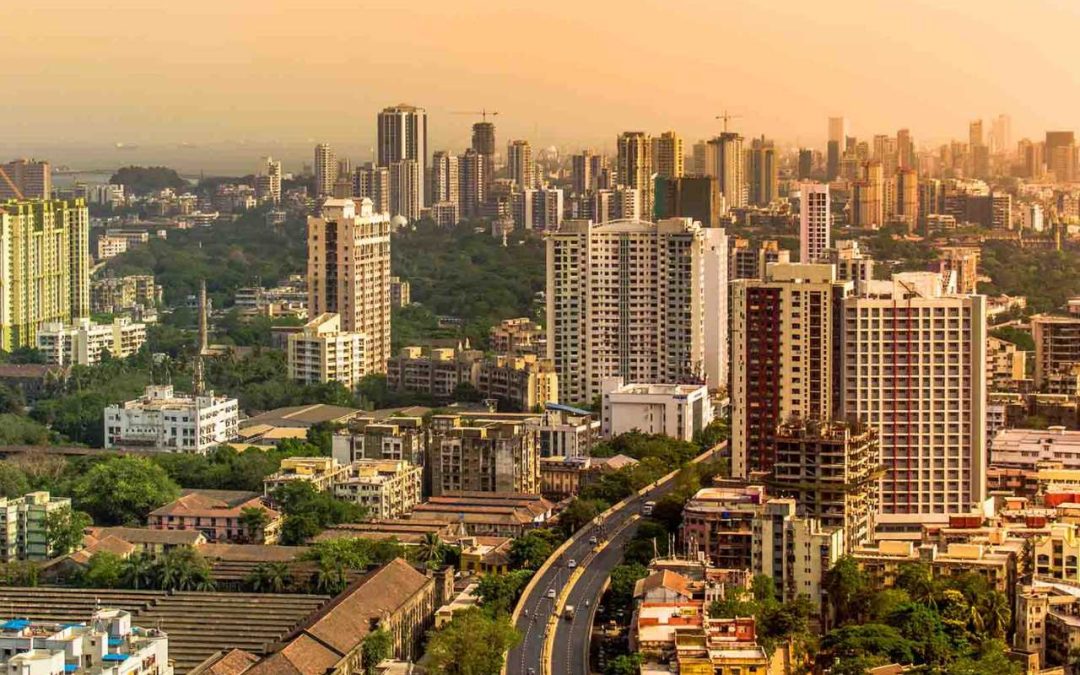
India’s real estate sector recorded its strongest investment momentum in recent years, with equity inflows reaching an estimated USD 14.25 billion in 2025, signalling renewed confidence among developers and long-term investors. The surge, concentrated largely in land acquisitions and office assets across key metros, highlights the sector’s growing role in shaping urban growth, employment hubs and infrastructure-led expansion.
Market analysts tracking capital movements note that investment volumes rose sharply compared to the previous year, reflecting both domestic capital depth and steady overseas participation. This shift matters beyond balance sheets: large-scale real estate investment influences how cities expand, where housing is built and how commercial districts evolve, with lasting implications for mobility, energy use and urban resilience. Land and development sites emerged as the primary destination for capital, accounting for nearly half of total inflows. Industry experts interpret this as a forward-looking bet on residential and mixed-use projects aligned with future demand. A significant share of these land transactions is earmarked for housing and office development, underscoring expectations of sustained urbanisation and household formation in major economic centres. Built office assets formed the second-largest investment category, drawing over a quarter of total capital. Despite the global reassessment of workplace models, India’s office markets continue to attract interest due to strong leasing activity in technology, professional services and global capability centres.
Urban economists suggest that well-located offices, supported by public transport and efficient infrastructure, remain central to compact city planning and reduced commuting emissions. The composition of investors also reflects a maturing market. Developers accounted for the largest share of capital deployment, signalling balance sheet strength and confidence in project execution. Institutional investors, including domestic funds and long-term asset managers, formed the next major group, favouring assets with stable yields and regulatory clarity. The growing role of organised capital is widely seen as a stabilising force for India real estate investment, improving governance and project discipline. Geographically, capital flows remained concentrated in a few large metros. Mumbai attracted the highest share, followed by Bengaluru and Delhi-NCR. These cities benefit from diversified economies, large talent pools and ongoing infrastructure upgrades such as metro rail expansion and transport corridors. Urban planners caution, however, that sustained investment must be matched with inclusive housing supply and resilient infrastructure to avoid deepening spatial inequality.
Looking ahead, analysts expect India real estate investment to remain firm into 2026, supported by domestic savings, improving transparency and continued demand for urban space. The challenge for policymakers and city authorities will be to channel this capital towards developments that balance growth with environmental responsibility, ensuring that investment-led expansion contributes to more liveable, low-carbon and equitable cities rather than unchecked sprawl.
Also Read: Truva Expansion Highlights Growing Resale Housing Demand
