India Railways Orders Supplier Overhaul Launches First Hydrogen Train
India’s rail sector is poised for a transformative overhaul as the national rail authority issues strict directives to all suppliers, signalling zero tolerance for substandard equipment. Officials have announced that component manufacturers failing to meet the upgraded specifications will face blacklisting, debarment, and delisting, marking an unprecedented step in rail quality enforcement.
The directive calls for comprehensive audits across manufacturing processes, from material selection to assembly, emphasising a tenfold improvement in quality standards for signalling systems, track equipment, earthing, and locomotive components. Experts highlighted that incremental changes will no longer suffice, and suppliers must accelerate improvements immediately to remain eligible.“The country demands services aligned with modern expectations,” officials stated. “Commuters will not settle for outdated 1950s or 60s-era systems. Railways must deliver safe, reliable, and world-class experiences that reflect India’s technological capabilities.”
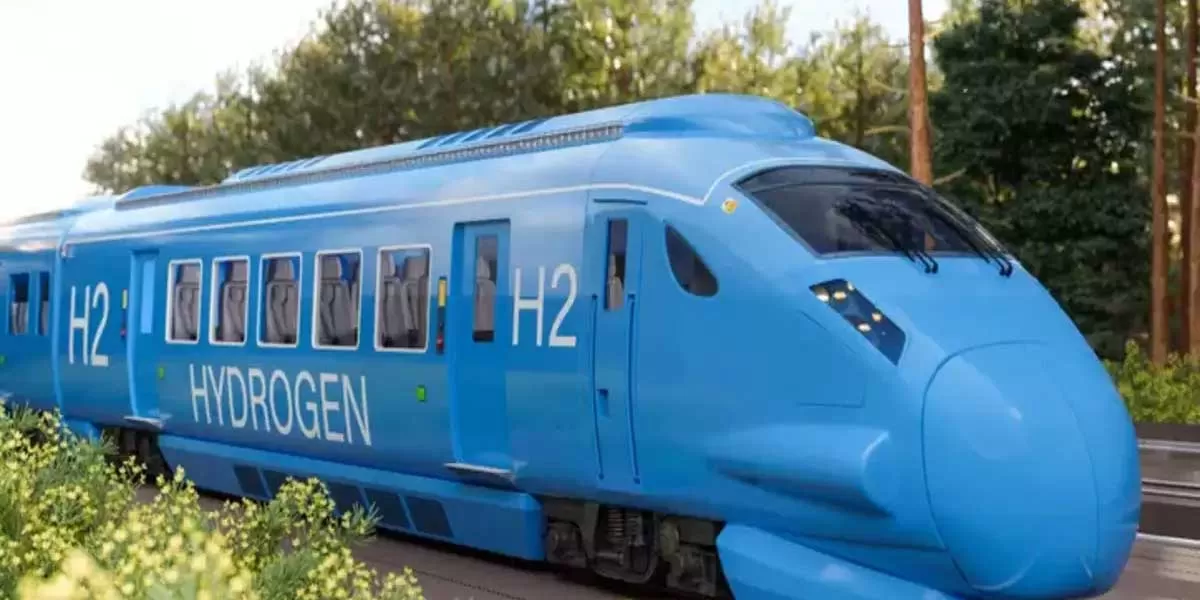
In parallel, India unveiled its first 2,400-kilowatt hydrogen-powered train, entirely designed and developed domestically, representing a major leap in sustainable rail transport. Experts emphasised that this initiative avoids reliance on imported technology, signalling the country’s ambition to lead in green mobility. The hydrogen train is expected to reduce carbon emissions significantly while offering high-speed, efficient connectivity.The Research Designs & Standards Organisation (RDSO), responsible for formulating specifications and standards, has been tasked with fast-tracking upgrades across rail components. Officials stressed that rigorous enforcement and frequent inspections will ensure compliance, aligning with India’s broader agenda of sustainable, eco-friendly urban mobility.
Industry leaders have welcomed the clarity of directives, recognising that stricter quality control will enhance passenger safety, reduce operational risks, and strengthen India’s position as a global rail technology leader. The move also underscores the government’s commitment to sustainable transport, with innovative trains powered by alternative fuels set to reduce the sector’s carbon footprint substantially.Analysts note that these measures, combined with the introduction of hydrogen-powered locomotives, signal a new era for India’s railways. The sector is expected to witness significant improvements in safety, reliability, and environmental performance, while suppliers who fail to meet stringent standards will face exclusion from future projects.As India advances towards modern, eco-friendly rail travel, the authorities emphasise that the reforms are not merely technical but societal. Safe, reliable, and green railways are seen as central to national progress, passenger satisfaction, and long-term sustainability, providing a model for future infrastructure development.