


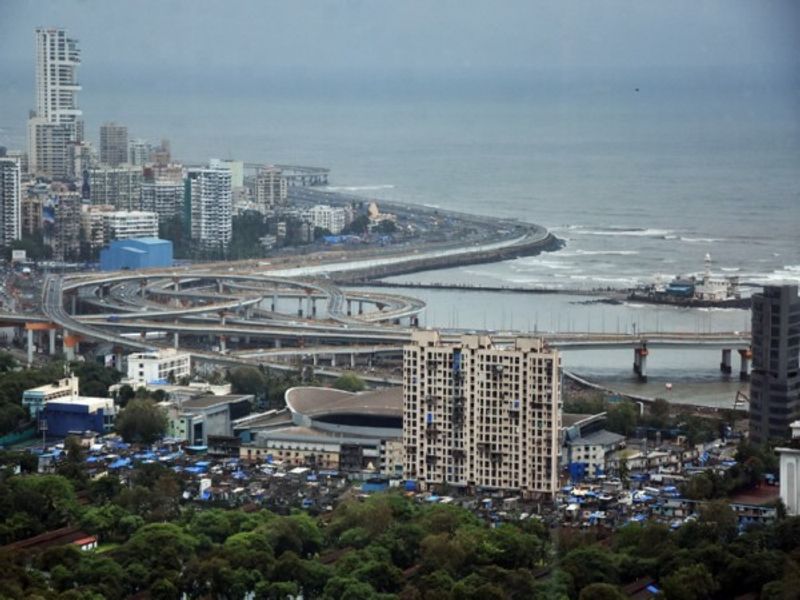
India’s residential real estate market in 2025 continued to move decisively up the value curve, with higher-priced homes consolidating their dominance even as overall sales volumes moderated. Market assessments indicate that premium housing has transitioned from a niche segment to the primary driver of residential demand across major cities.
Homes priced above Rs 1 crore accounted for nearly two-thirds of total housing sales during the year, a sharp rise from the previous year. This shift highlights a growing preference among buyers for quality, location and long-term value over sheer affordability. Industry analysts say the trend reflects both rising household incomes in urban centres and a reassessment of housing needs following changes in work and lifestyle patterns. The strongest momentum was recorded in the Rs 1.5–3 crore bracket, which saw substantial year-on-year growth. Larger apartments with better amenities, improved layouts and proximity to employment hubs emerged as the preferred choice for end-users as well as long-term investors. This has reinforced the broader premium housing India narrative, where value-led demand is outweighing volume-driven sales. City-level performance remained uneven but revealing. Chennai emerged as a standout market, posting strong growth in unit sales and signalling a structural shift from plotted homes to apartments. Urban planners attribute this to rising land scarcity, improved transport infrastructure and evolving lifestyle expectations among middle- and upper-income households.
Other large markets such as Bengaluru, Mumbai and Pune recorded softer overall growth but continued to lead in absolute sales volumes. Together, these cities accounted for a majority of annual transactions, underpinned by diversified employment bases, established social infrastructure and sustained purchasing power. Their ability to absorb premium supply during periods of moderation points to underlying market resilience. Pricing trends further reinforced the premiumisation cycle. Across leading cities, residential values continued to rise through the year, supported by controlled inventory, disciplined launches and higher construction costs. In several markets, annual price growth touched double digits, particularly in premium micro-markets well served by transit, schools and healthcare. From a supply perspective, developers have become increasingly selective. New project launches were calibrated to focus on higher-margin offerings, while mid-range and affordable projects were assessed more cautiously based on city-specific demand. Housing experts say this strategy has helped avoid inventory build-up and preserved pricing power, especially in premium housing India segments. However, urban economists caution that the sustained weakness in affordable housing could deepen access challenges for lower- and middle-income households. Without renewed policy and private-sector focus on mass housing, cities risk pushing essential workers farther from employment centres, increasing commute times and environmental stress.
Looking ahead, analysts expect residential prices to continue rising, albeit at a more measured pace. While sales volumes may fluctuate, the absence of structural imbalances suggests stability rather than correction. For India’s cities, the next phase will depend on whether premium-led growth can be balanced with inclusive, climate-resilient housing strategies that support long-term urban equity.
Also Read: India Housing Market Splits As Premium Demand Holds
