


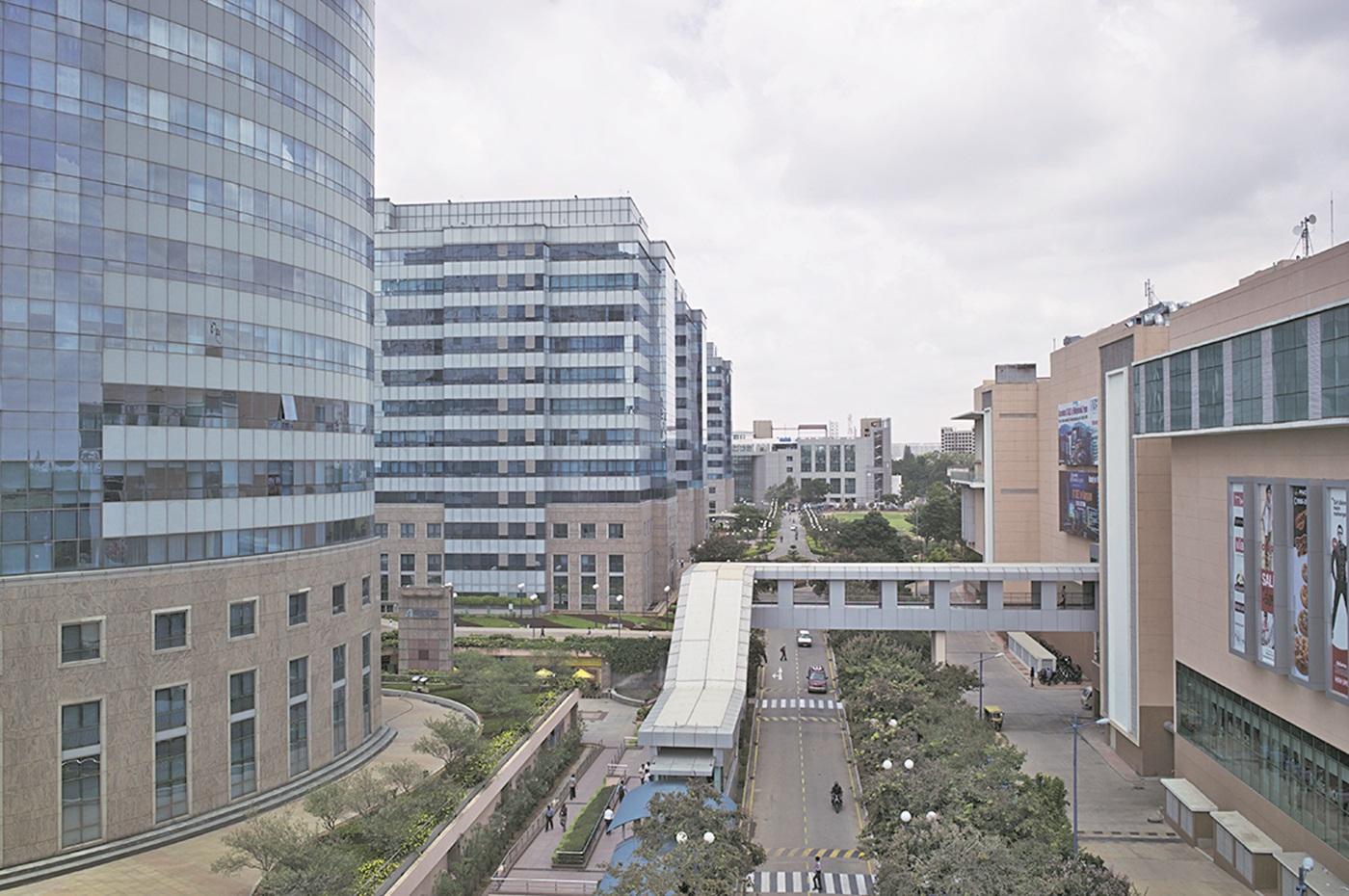
Institutional capital flowed into Indian real estate at an unprecedented scale in 2025, marking a turning point for the country’s urban property markets. Total investments touched a record $8.5 billion during the year, reflecting stronger confidence in India’s economic resilience and the growing maturity of its real estate ecosystem. The surge highlights a structural shift in how cities are being financed, built and occupied.
A defining feature of the year was the rise of domestic institutional capital, which accounted for more than half of total inflows. Local pension funds, insurers and alternative investment platforms significantly increased their exposure to income-generating real estate, signalling deeper confidence in long-term urban demand. In contrast, overseas capital moderated during most of the year, though industry trackers observed renewed cross-border interest towards the final quarter as global risk appetite improved. Institutional real estate investments in India were heavily concentrated in the office sector, which absorbed more than half of all capital deployed. Grade A office assets in major cities continued to attract investors due to stable occupancy, improving rental growth and long-term lease visibility. Market participants note that India’s office market is increasingly viewed as a yield play rather than a speculative bet, particularly as global firms consolidate operations in well-connected urban hubs.
The final quarter of 2025 proved decisive, accounting for nearly two-thirds of the year’s total investments. This late surge coincided with strong leasing activity across Mumbai, Bengaluru, Delhi-NCR and Hyderabad, reinforcing the link between occupier confidence and capital flows. Urban economists point out that such clustering of investment reflects both deal readiness and a preference for completed, operational assets over development-stage risk. Another important trend underpinning institutional real estate investments in India is the growing role of Real Estate Investment Trusts. New listings and portfolio expansions by existing trusts have widened the pathway for capital to enter stabilised office assets. Analysts estimate that a substantial portion of India’s existing office stock could eventually transition into REIT structures, improving transparency, governance and access for long-term investors. From a city-building perspective, rising institutional participation has broader implications. Large pools of patient capital can support better construction standards, energy-efficient retrofits and professionally managed assets key to reducing operational emissions in dense business districts. However, planners caution that concentration in office assets must be balanced with investments in housing, social infrastructure and public transport to ensure inclusive urban growth.
Looking ahead, experts expect institutionalisation to deepen as India’s cities expand and formalise. While near-term capital flows may fluctuate with global conditions, the underlying trajectory points towards consolidation, higher asset quality and stronger alignment between real estate finance and urban resilience. The challenge for policymakers and developers alike will be ensuring that this capital supports cities that are not only productive, but also sustainable and people-centred.
Also Read: Lodha Developers Expand Land Bank Across Major Cities
India Property Markets See Unprecedented Investor Inflows
