


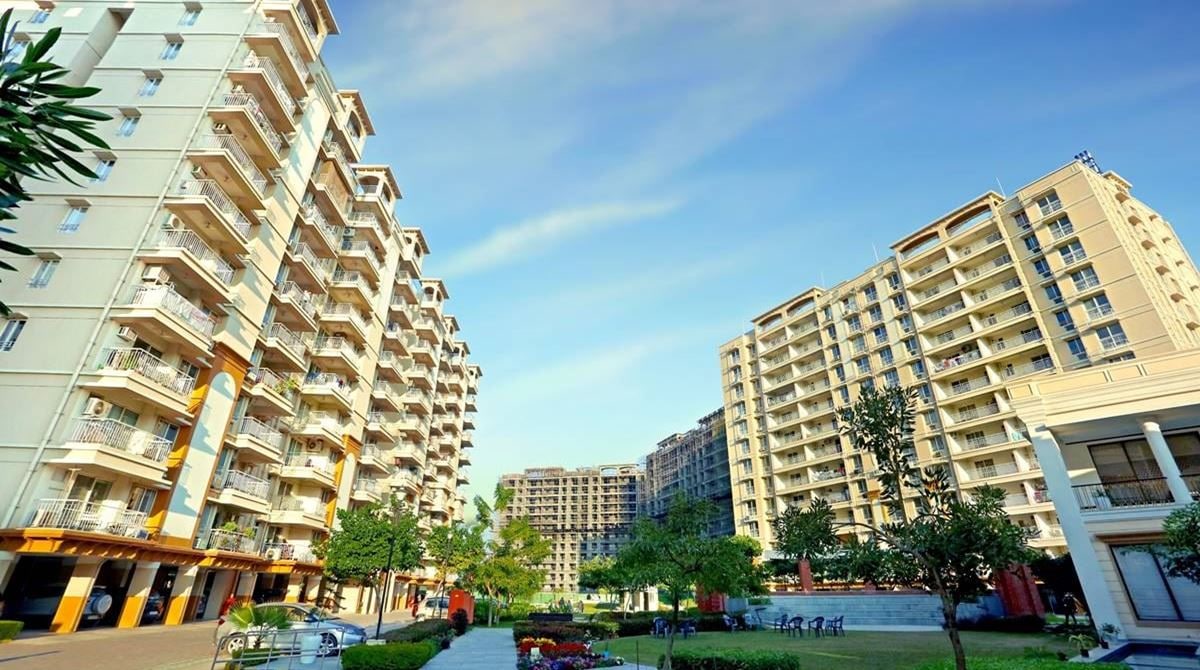
India’s real estate sector has entered 2026 on a notably steadier footing, with industry watchers pointing to a year of calibrated expansion rather than rapid acceleration. Across housing, offices, retail and logistics, the emphasis is shifting towards sustainability, balance and long-term value creation an approach shaped by economic resilience, policy stability and evolving urban demand patterns.
The outlook matters because real estate remains deeply intertwined with India’s employment, infrastructure and city-building ambitions. After navigating global volatility and uneven capital flows in the previous year, developers and investors are now recalibrating strategies to align with domestic consumption, infrastructure-led growth and climate-aware urban planning. Macroeconomic fundamentals continue to underpin this confidence. India’s economy has sustained strong momentum, supported by robust growth rates and policy interventions aimed at stimulating consumption and investment. Fiscal measures such as tax rationalisation and targeted incentives have improved household purchasing power, while monetary easing has reduced borrowing costs, making housing and commercial investment more accessible across income segments. Industry analysts note that residential markets are benefitting from a structural shift towards premium and mid-income housing, particularly in well-connected urban corridors. Demand is no longer limited to metropolitan cores; improved transport networks and digital infrastructure are drawing buyers towards peripheral zones and emerging cities. Urban planners see this dispersion as an opportunity to reduce pressure on megacities while enabling more inclusive and liveable growth models. The office segment is also expected to remain resilient through 2026. Leasing activity is being driven by global firms expanding back-office and research operations in India, alongside domestic enterprises seeking flexible, cost-efficient workplaces. Technology services, financial institutions and managed office providers continue to anchor demand, reflecting the evolution of work cultures shaped by hybrid models.
Southern cities are likely to remain key hubs, while western markets are gradually increasing their share as connectivity and transit infrastructure improve. Retail and logistics real estate are adapting to changing consumption patterns. Organised retail is increasingly focused on experience-led formats rather than pure scale, while warehousing demand is being shaped by e-commerce growth and supply-chain reconfiguration. Experts highlight that newer facilities are placing greater emphasis on energy efficiency, automation and location efficiency, aligning with broader sustainability goals. Another defining trend for 2026 is the growing role of Tier II and Tier III cities. With industrial corridors, manufacturing clusters and regional airports gaining traction, these markets are emerging as important contributors to India’s real estate story. The expansion supports job creation closer to home, reducing migration pressure on large cities and encouraging more balanced regional development.
Looking ahead, sector specialists suggest that disciplined capital allocation and regulatory compliance will be critical to sustaining momentum. Rather than speculative expansion, the focus is expected to remain on delivery, transparency and long-term asset performance. For cities and citizens alike, this measured approach could translate into more resilient urban environments where economic growth, housing access and infrastructure development progress together rather than at cross-purposes.
Also Read: Ananta Centre Leadership Brings Urban Governance Lens
India Property Markets Enter Phase Of Calibrated Growth
