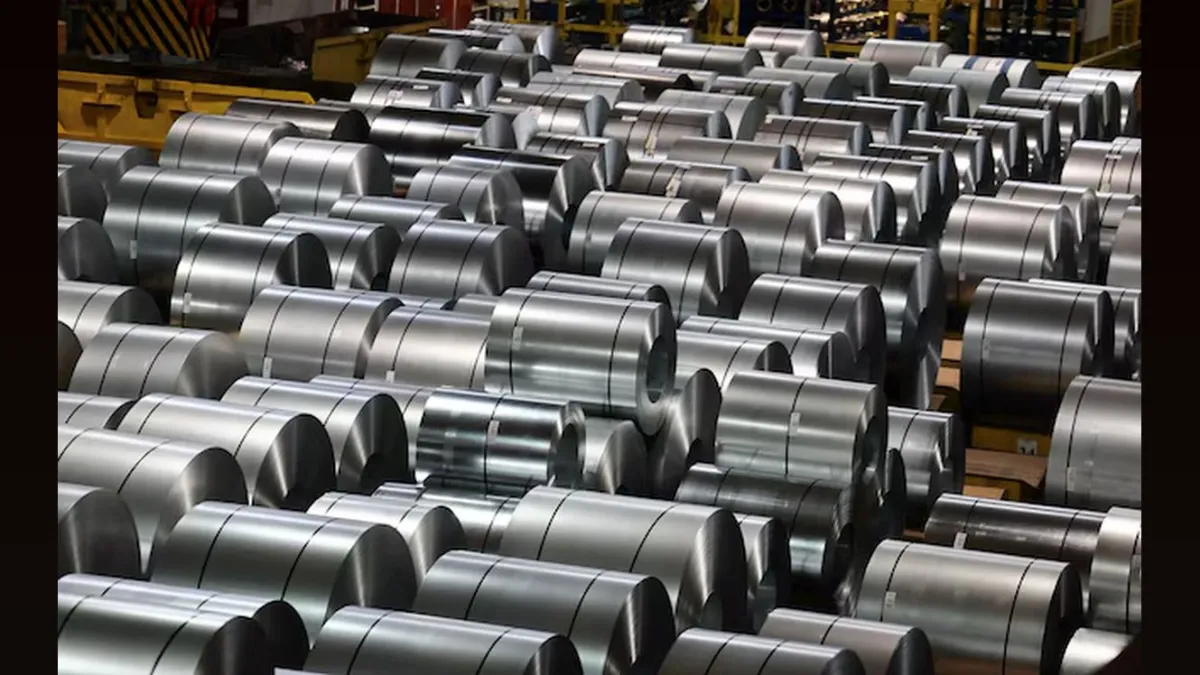
India’s steel industry is poised for unprecedented expansion, with national crude steel capacity expected to reach 300 million tonnes by 2030, according to senior officials from the Ministry of Steel. Addressing stakeholders at the India AI Impact Summit 2026 in New Delhi, the ministry highlighted the sector’s rapid growth, doubling domestic steel consumption over the last decade and signalling both economic and industrial transformation opportunities.
Industry experts noted that steel remains a core driver of urban infrastructure, transportation networks, and industrial projects across India. Domestic consumption surged from 77 million tonnes in 2014-15 to 152 million tonnes in 2024-25, underscoring the sector’s centrality to urban development, real estate growth, and climate-resilient construction. Officials indicated that strategic capacity expansion to 300 million tonnes by 2030-31 and 400 million tonnes by 2035-36 will align with India’s ambitions of becoming a global steel hub while meeting domestic demand sustainably. The AI-focused summit session brought together leading steel producers and iron ore miners with technology innovators, providing a platform to explore AI-driven solutions for operational efficiency, predictive maintenance, and resource optimisation. A senior ministry official emphasised that digital transformation can reduce energy intensity, optimise logistics, and contribute to lower carbon emissions, aligning with broader national goals for zero-carbon and climate-resilient urban development.
Analysts pointed out that the steel sector’s projected growth will have ripple effects on urban planning and infrastructure delivery. Expanding steel production supports large-scale construction of affordable housing, metro projects, bridges, and industrial corridors—critical elements of equitable urban expansion in rapidly growing metropolitan regions. Furthermore, investment in AI solutions and smart manufacturing processes could enhance sectoral efficiency, improving cost structures and accelerating project timelines for real estate developers and civic infrastructure agencies. From a sustainability perspective, officials highlighted that AI applications can monitor emissions, optimise energy use, and improve scrap recycling, mitigating the environmental footprint of increased steel output. Industry planners suggest that integrating these practices into new steel plants and expansions will be crucial to meeting both production targets and climate resilience mandates.
As India positions itself to meet surging urban and industrial steel demand, policymakers and industry stakeholders are emphasising coordinated infrastructure planning, responsible resource use, and technology adoption. The outlook suggests that by linking capacity expansion with digital innovation, India’s steel sector can support sustainable urban growth, drive economic opportunity, and strengthen its global competitiveness.
India Projects Crude Steel Capacity Surge by 2030