


India Prepares First National Adaptation Plan Amid Climate Change Crisis
As the devastating effects of climate change intensify across the globe, India is taking significant strides to address the growing environmental hazards. The Indian government is currently preparing its first-ever National Adaptation Plan (NAP), a comprehensive strategy designed to build resilience against the increasingly erratic weather patterns and extreme climate-related events that threaten the country’s vulnerable regions.
The National Adaptation Plan is expected to focus on mitigating the adverse impacts of climate change across various sectors, including agriculture, water resources, coastal zones, and health. With rising temperatures, shifting monsoon patterns, and frequent droughts, India is particularly susceptible to climate change hazards. The NAP is designed to help vulnerable communities adapt to these risks while safeguarding livelihoods and infrastructure.
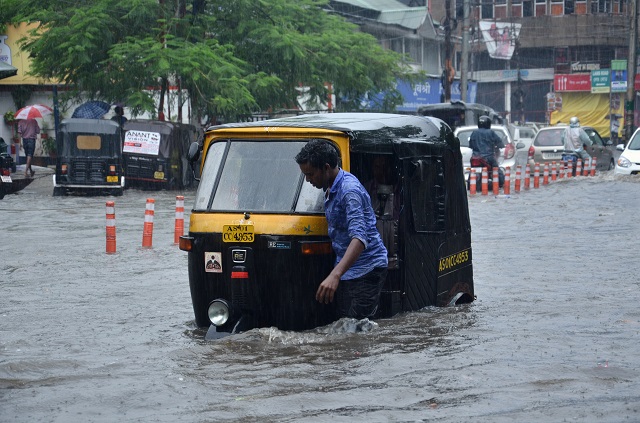
India’s commitment to the NAP comes at a critical juncture. The country has already experienced extreme weather events, such as devastating floods in some regions and severe droughts in others. In addition, air and water pollution, combined with the escalating intensity of heatwaves, has become a persistent threat to public health. The NAP is poised to provide a roadmap for addressing these issues through tailored strategies for each region, recognising that the impacts of climate change are not uniform across the country.
The preparation of the National Adaptation Plan is a collaborative effort involving various government bodies, environmental experts, and local communities. The government is keen to ensure that the plan is inclusive, with particular attention given to the needs of vulnerable groups, including farmers, tribal communities, and low-income households. In addition to national-level measures, the NAP is expected to incorporate local-level solutions that can directly improve resilience in communities hardest hit by climate-induced disasters.
India’s National Adaptation Plan also aligns with global climate goals, particularly the Paris Agreement’s objectives to limit global warming and enhance adaptive capacities. The plan is expected to focus on sustainable development practices, climate-resilient agriculture, and efficient water management, while also exploring the potential of green technologies.
As the NAP moves through the preparation stages, stakeholders are emphasising the importance of long-term planning, financial investment, and technological innovation to make India more resilient to the challenges of climate change. This forward-thinking strategy aims to safeguard not only the environment but also the social and economic fabric of the nation, ensuring that India is well-equipped to face future climate uncertainties.
