


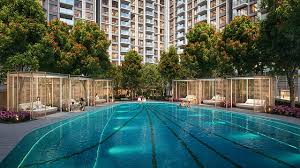
India’s residential real estate market is undergoing a quiet but structural transformation, with luxury housing emerging as one of its most resilient and fastest-evolving segments. What was once driven largely by status and location is now being reshaped by lifestyle priorities, long-term asset strategy, and changing urban expectations across major cities.
Luxury housing demand has remained firm despite economic uncertainty, reflecting deeper shifts in buyer behaviour. Industry observers point out that premium homes are increasingly viewed as dual-purpose assets offering both a high-quality living environment and long-term capital preservation. This has been particularly visible in metros such as Mumbai, Delhi NCR and Bengaluru, while secondary cities with expanding economic bases, including Pune and Hyderabad, are seeing growing traction. Urban planners and market analysts note that today’s luxury buyer is less focused on visible opulence and more on liveability. Homes are being evaluated on parameters such as spatial efficiency, indoor environmental quality, wellness infrastructure, energy performance and technological integration. Features like intelligent climate control, enhanced air quality systems, ergonomic layouts and access to green spaces have moved from optional upgrades to baseline expectations in the premium segment. The buyer profile has also diversified. High net-worth households remain the core demand drivers, but a notable increase is being seen among globally mobile professionals and overseas Indians seeking ready-to-occupy, professionally managed homes. For this cohort, luxury housing serves as both a lifestyle anchor and a hedge against currency volatility and fragmented global markets.
Another emerging trend is the growing importance of developer credibility and design pedigree. Buyers are increasingly favouring projects backed by established developers, particularly those collaborating with international architects, sustainability consultants and global hospitality or lifestyle brands. Such partnerships are perceived to enhance build quality, long-term maintenance standards and resale value critical considerations in the premium housing market. From an urban development perspective, infrastructure investments have played a crucial role. Improved airport access, metro connectivity and upgraded civic infrastructure have expanded the geography of luxury housing beyond traditional enclaves. This has enabled premium residential clusters to develop in well-connected peripheral zones, easing pressure on older, congested neighbourhoods. Environmental performance is also becoming a defining differentiator. Energy-efficient construction, water management systems and climate-responsive design are now closely scrutinised by buyers, particularly in cities facing heat stress and resource constraints. Analysts suggest that sustainability-led luxury developments are likely to command stronger long-term valuations as regulatory standards tighten.
Looking ahead, experts expect the luxury housing segment to continue evolving rather than expanding indiscriminately. Growth is likely to favour projects that balance exclusivity with urban responsibility integrating technology, sustainability and community infrastructure. As Indian cities adapt to climate risks and changing lifestyles, luxury housing is increasingly being redefined not by excess, but by resilience, comfort and intelligent design.
Also Read: Mumbai Infrastructure Land Draws Big Real Estate Bets
India Premium Housing Gains Momentum As Assets
