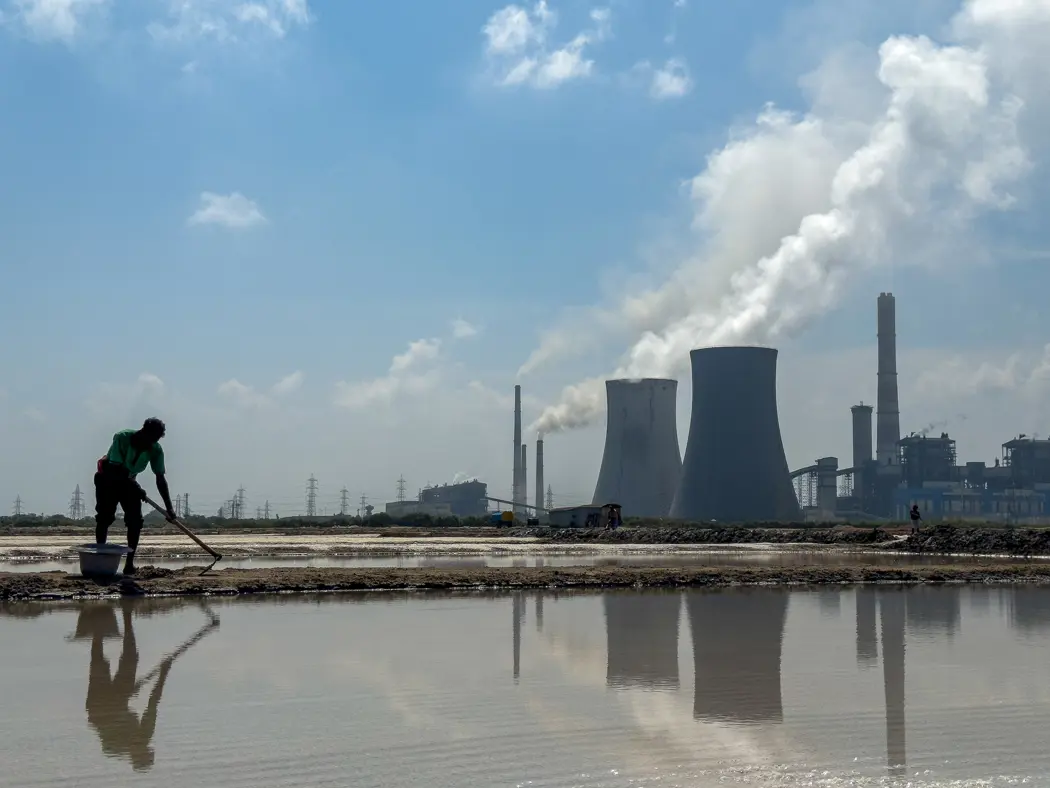
New Delhi’s latest power strategy is set to reinforce India’s reliance on coal, sidelining natural gas despite global trends toward cleaner transition fuels. With domestic coal reserves projected to last over a century, policymakers are prioritising coal-fired plants to meet rising electricity demand, ensure affordable energy, and maintain industrial growth. Analysts note that while renewables are gradually expanding, coal will remain the backbone of India’s electricity generation for the foreseeable future, shaping the nation’s energy landscape.
Recent planning documents from the Ministry of Power reveal that investment in natural gas infrastructure will remain minimal, signalling that gas will not play a significant role in India’s near-term energy transition. “India’s immediate priority is to secure reliable, low-cost power for rapidly urbanising and industrial regions,” said a senior energy analyst. Coal-fired plants are expected to undergo efficiency upgrades and incorporate cleaner combustion technologies, aligning with emission reduction goals while maintaining output.Despite international pressure to adopt low-carbon fuels, India is navigating a pragmatic path that balances sustainability with economic and energy security needs. Experts highlight that coal provides predictable pricing and reduces dependence on volatile global energy markets. “Domestic coal reserves allow India to safeguard energy independence while supporting industrial expansion,” added an energy sector official.
Environmental groups have raised concerns over the long-term carbon impact of expanding coal capacity. Nevertheless, renewable energy initiatives, including solar, wind, and hydropower, are progressing alongside the coal-heavy strategy, though at a slower pace. Analysts point out that a larger role for gas would require extensive import infrastructure, driving costs upward and potentially undermining energy self-sufficiency objectives.Technological advances in coal plants are mitigating some environmental concerns. Modern installations increasingly integrate emissions-control systems, real-time carbon monitoring, and efficiency enhancements. Several state governments are piloting hybrid approaches, blending coal with renewable inputs and exploring carbon capture projects. Urban planners are also assessing decentralised renewable grids and smart distribution systems to reduce the environmental footprint while maintaining consistent electricity supply to cities.
Looking ahead, coal is expected to remain central to India’s energy portfolio, supporting both economic growth and urban electrification. Experts argue that a complementary expansion of renewables and technological upgrades in coal plants is essential to gradually lower carbon intensity without jeopardising power reliability. Policymakers aim to achieve a diversified energy mix over the coming decades, leveraging coal for stability while incrementally integrating cleaner alternatives.India’s coal-centric approach highlights the ongoing tension between energy security, economic growth, and environmental sustainability. For urban residents and industrial centres alike, ensuring reliable electricity at affordable costs will remain the priority, even as the nation takes cautious steps toward a low-carbon future.