Air India Boeing 787 Fuel Switch Inspection Finds No Issues
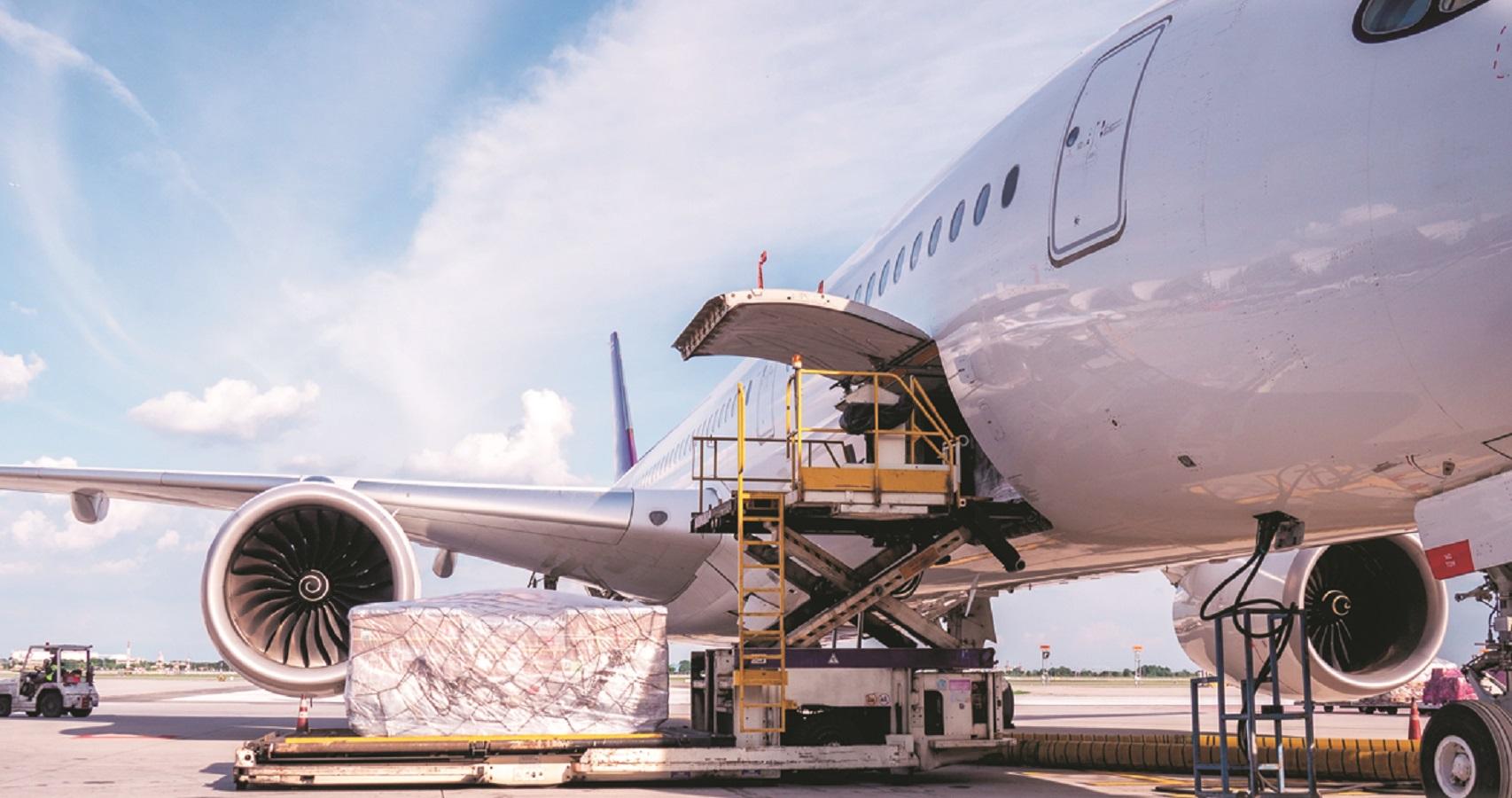
The Department of Posts is actively investigating the feasibility of “hard blocking” cargo space on commercial airlines. This forward-thinking initiative seeks to dramatically enhance the efficiency and reliability of domestic mail and parcel deliveries across India. The move, aimed at securing reserved cargo capacity with robust legal and logistical frameworks, promises to minimise delays arising from space constraints, particularly for time-sensitive consignments. This modernisation drive by India Post is not merely about speed; it’s a critical step towards establishing a more sustainable and equitable logistics backbone for the nation’s burgeoning urban and rural economies.
Currently, India Post operates a multifaceted transportation network that encompasses rail, road, and air. While first-class and Speed Post items frequently leverage commercial passenger flights – an arrangement that benefits airlines by utilising otherwise unmonetised cargo hold space – a recurring challenge has been the last-minute offloading of parcels. This occurs when flights reach full capacity or prioritise other high-yield cargo, directly undermining service reliability and leading to frustrating delays for customers. The proposed “hard blocking” strategy seeks to eliminate this uncertainty, guaranteeing dedicated space and ensuring that postal consignments receive priority treatment, thereby bolstering customer satisfaction.
The implications of this shift extend far beyond mere operational improvements. As India rapidly urbanises and embraces a digital-first economy, the demand for swift and predictable logistics services is escalating. By prioritising air cargo, India Post can significantly reduce transit times, particularly for long-haul domestic routes where surface transport remains time-consuming. This acceleration of delivery directly benefits small and medium-sized enterprises (SMEs) in Tier II and Tier III cities, enabling them to participate more effectively in the national e-commerce ecosystem. Enhanced connectivity and reliable delivery are crucial for these businesses to reach wider markets, fostering economic growth and creating employment opportunities in historically underserved areas.
From an environmental perspective, while air transport has a higher carbon footprint per tonne-kilometre compared to rail or road, the strategic optimisation of air cargo space can paradoxically contribute to a greener logistics chain. By reducing the instances of offloaded parcels and subsequent re-routing, India Post can minimise redundant journeys and the associated emissions. Furthermore, the focus on dedicated space could lead to more efficient route planning and payload utilisation by airlines, thereby reducing overall fuel consumption. This aligns with the broader global imperative to decarbonise the logistics sector, encouraging a more measured approach to air freight where speed is balanced with environmental consciousness. Future considerations could also involve exploring partnerships with airlines committed to Sustainable Aviation Fuels (SAF) or investing in electric ground handling equipment at airports to further mitigate the environmental impact.
Moreover, the move towards streamlined, reliable logistics services has a profound impact on social equity. For citizens in remote or less-connected regions, dependable postal services are often their primary link to essential goods, government services, and e-commerce platforms. Delays in critical deliveries, such as medicines or official documents, can have significant adverse effects. By ensuring faster and more reliable air transit, India Post reinforces its role as a vital public service provider, fostering greater inclusion and ensuring that geographical location does not become a barrier to access. This commitment to equitable service delivery is a cornerstone of building truly smart and sustainable cities, where all residents benefit from efficient infrastructure.
The discussions with key airline partners and civil aviation authorities in the coming months will be pivotal. These dialogues must not only focus on commercial terms but also on integrating sustainability metrics and fostering a collaborative ecosystem that supports India’s ambitious growth trajectory while adhering to its environmental commitments. This strategic enhancement of India Post’s parcel and e-commerce logistics capabilities is a testament to its long-term vision: to evolve into a digitally enabled, highly efficient public logistics organisation that serves as a catalyst for socio-economic development across the nation. The success of this initiative will be measured not just in faster delivery times but in its contribution to a more connected, environmentally responsible, and inclusive urban and rural landscape.