


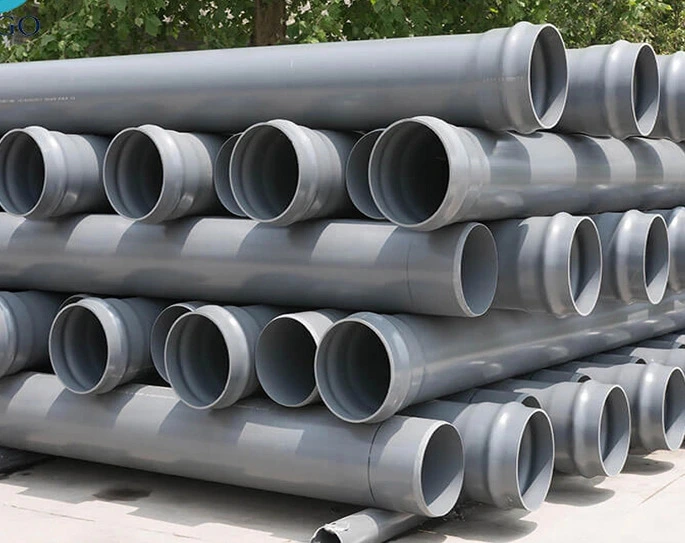
India’s plastic piping sector is entering a new phase of expansion, driven by rising infrastructure investment, housing demand, and water management projects, positioning it as a critical backbone of the country’s urban development strategy. Industry estimates suggest the India plastic pipes market growth trajectory will remain steady over the next decade, reflecting structural shifts in how cities and utilities are built and maintained. Recent market assessments indicate that the India plastic pipes market growth is supported by a projected rise from around $2.1 billion in 2025 to approximately $3.65 billion by 2034, translating into a compound annual growth rate of over 6%. This steady expansion aligns with increasing adoption of durable, corrosion-resistant materials in residential plumbing, irrigation networks, and municipal water systems.
The growing relevance of plastic pipes is closely linked to government-led infrastructure programmes. Initiatives focused on rural water access, urban sanitation, and smart city development are accelerating demand for efficient piping systems. Experts note that plastic alternatives—particularly PVC, CPVC, and HDPE—offer lower lifecycle costs and improved durability compared to traditional materials, making them more suitable for large-scale infrastructure deployment. Urban planners highlight that the India plastic pipes market growth is also tied to the country’s demographic and spatial transition. As tier-2 and tier-3 cities expand, the need for reliable water supply, sewage systems, and drainage infrastructure is intensifying. Plastic piping systems are increasingly favoured for these applications due to their ease of installation and compatibility with modern construction techniques. At the same time, the sector is witnessing technological and environmental shifts. Manufacturers are investing in advanced formulations that improve heat resistance, pressure tolerance, and recyclability. This evolution is particularly significant in the context of climate resilience, where infrastructure must withstand extreme weather conditions and fluctuating water demand. However, the growth trajectory is not without challenges. Industry stakeholders point to volatility in polymer prices—linked to global crude oil trends—as a key risk factor. Supply disruptions and cost fluctuations can impact project timelines and affordability, particularly for public infrastructure works. Environmental considerations are also gaining prominence. While plastic pipes reduce leakage and improve efficiency in water systems, their lifecycle impact, including production emissions and end-of-life disposal, remains under scrutiny. Urban policy experts suggest that integrating recycling frameworks and circular economy practices will be essential as the sector scales. Despite these complexities, the India plastic pipes market growth story reflects a broader transformation in how infrastructure is conceived. The shift towards lightweight, efficient, and adaptable materials is reshaping construction practices across both urban and rural landscapes.
As India continues to urbanise, the role of such materials will become increasingly central—not just in enabling growth, but in ensuring that expansion remains resilient, resource-efficient, and aligned with long-term sustainability goals.
ALSO READ – JK Lakshmi Cement Compliance Filing Signals Governance Focus
India Plastic Pipes Market Trends Reshape Construction Sector
