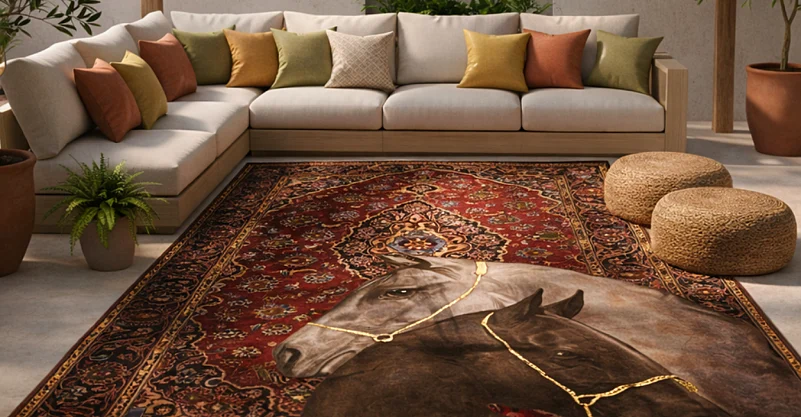
A new domestic home-décor brand is tapping into a growing cultural and consumer shift as young urban homeowners increasingly seek locally crafted pieces that speak to personal space and cultural identity. The Pittari home décor trend — led by handcrafted rug designs that sold out within weeks — reflects a broader reorientation in India’s home furnishings market, where meaningful design, artisan empowerment and sustainability are rapidly gaining purchase over imported alternatives.
Emerging from a direct-to-consumer launch in late 2025, the brand’s inaugural collection — a curated set of 12 rug designs with distinctive gold accents — disappeared from inventory in just 21 days, according to early sales data and market observers. This performance did not hinge on celebrity endorsements or traditional advertising, but on product resonance with young, design-savvy buyers seeking décor that fits both modern urban interiors and cultural sensibilities.Interior designers and industry analysts attribute this early traction to a confluence of factors shaping India’s home décor landscape. Urban households are increasingly valuing pieces that balance contemporary minimalism with subtle cultural references — elements often missing in many imported products designed for Western markets. This pattern aligns with wider consumption trends in India’s burgeoning home furnishings market, where buyers prioritise authenticity, utility and emotional connection over generic aesthetics.
For many customers, Pittari rugs have emerged as a symbolic bridge between these priorities and functional design. Affordable yet distinctive, the pieces integrate neutral palettes with selective cultural motifs, offering a visual language that complements contemporary apartments while reinforcing a sense of place and tradition. Real estate developers and design consultants point out that such items can enhance livability in smaller urban dwellings, where thoughtful décor can significantly influence spatial perception and comfort.Beyond aesthetic appeal, Pittari’s business model reflects growing demand for ethical production practices and transparent supply chains. According to independent sector reports, a significant share of the brand’s production workforce comprises women artisans, many of whom are first-generation formal employees, trained in specialised craftsmanship and compensated with clear standards for pay and conditions — a departure from traditional, informal artisan labour systems in India’s home goods sector.
This shift resonates with younger consumers who increasingly weigh social and environmental factors in purchase decisions. Urban Millennials and Gen Z homebuyers are also part of a broader cultural movement toward sustainable and meaningful consumerism, where products are evaluated not just on price, but on provenance, craftsmanship and long-term value.Market insiders believe the success of brands like Pittari signals structural evolution in India’s interior décor sector, which historically lagged in offering design-forward, culturally relevant and ethically produced goods at accessible prices. As middle-class urban households expand across Tier 1 and Tier 2 cities, demand for such category players is expected to rise — particularly where they align with lifestyle aspirations that blend global design sensibilities with Indian cultural narratives.
For sustainable urban real estate and interior markets, this trend underscores a key insight: home furnishing is no longer a secondary purchase — it’s part of urban identity formation, and brands that tap into context-rich narratives can carve durable niches in India’s rapidly growing home décor economy.