


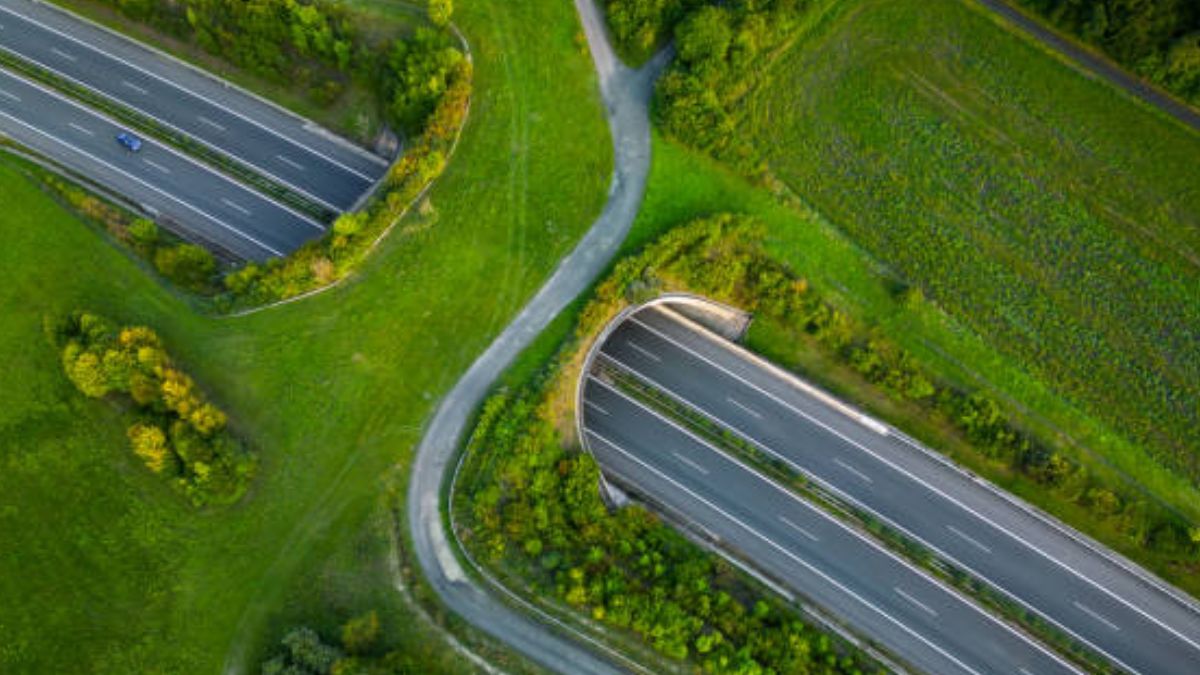
India has officially unveiled its first dedicated animal overpass on a national highway. This pioneering initiative, integrated into a 12-kilometre stretch of the Delhi-Mumbai Expressway, traverses the sensitive buffer zone of the Ranthambore Tiger Reserve. The project, meticulously designed by the National Highways Authority of India (NHAI) in close consultation with the Wildlife Institute of India and the Ministry of Environment and Forests, represents a pivotal shift in the nation’s approach to development, prioritising the safe passage of wildlife and fostering a more eco-friendly and sustainable urban-rural interface.
This innovative corridor is a testament to India’s commitment to balancing rapid economic growth with ecological preservation. Historically, expanding highway networks have often led to habitat fragmentation and increased roadkill incidents, posing significant threats to biodiversity. The Delhi-Mumbai Expressway’s wildlife passages are engineered to mitigate these risks, allowing species such as tigers, bears, and leopards to move freely and safely between their natural habitats in the Ranthambore and Chambal Valley regions. This proactive measure not only safeguards endangered species but also reduces human-wildlife conflict, contributing to a more equitable coexistence between urban expansion and natural ecosystems.
The architectural ingenuity of this project is particularly noteworthy. It features five dedicated wildlife overpasses, each spanning approximately 500 metres, designed to seamlessly blend with the natural contours of the landscape. Additionally, India’s longest wildlife underpass, stretching an impressive 1.2 kilometres, has been constructed specifically for larger mammals. Nearly five kilometres of the highway within this sensitive zone have been either elevated or sunken, meticulously preserving the original topography and minimising disruption to the natural terrain. These structures are complemented by four-metre-high boundary walls and two-metre sound barriers, strategically installed to prevent animals from straying onto the expressway and to reduce stress caused by traffic noise, ensuring a tranquil passage for wildlife.
Beyond the structural innovations, the project has embraced a suite of eco-friendly construction practices. During the intensive construction phase, personnel were strategically deployed every 200 metres along the stretch to ensure that no animals inadvertently entered active work zones, a measure that resulted in zero wildlife casualties throughout the build. Post-construction monitoring, utilising camera traps, has already yielded encouraging results, capturing numerous sightings of tigers and bears actively utilising the newly created overpasses and underpasses, validating the efficacy of the design. This real-world success sets a robust precedent for future infrastructure projects across the nation.
Further enhancing its green credentials, the corridor includes the plantation of approximately 35,000 trees, aiming to restore and augment natural habitats while creating a vital green buffer zone. Rainwater harvesting systems have been integrated every 500 metres, alongside drip irrigation methods, which have collectively reduced water usage by over 50 per cent during the project’s lifecycle. The adoption of modular formwork and low-waste construction techniques further underscores the commitment to minimising the environmental footprint, aligning with global best practices for sustainable development and the broader agenda of achieving zero net carbon infrastructure.
This pioneering initiative on the Delhi-Mumbai Expressway serves as a powerful model for eco-sensitive infrastructure development in India. It demonstrates that large-scale economic progress can indeed coexist with robust environmental stewardship and biodiversity conservation. As India continues its ambitious infrastructure drive, the lessons learned and benchmarks set by this project will be instrumental in shaping future highways and urban expansions, fostering cities that are not only efficient and prosperous but also deeply connected to their natural surroundings, ensuring a healthier and more sustainable future for all living beings.
Also Read: Rameswaram NH-87 Four-Lane Upgrade Approved with Rs 1,853 Crore Investment
