


India’s real estate sector closed the final quarter of 2025 on a more stable footing, supported by steady office leasing, improved access to capital and easing macroeconomic pressures. Market confidence indicators suggest that while the sector has moved past its recent volatility, stakeholders are now prioritising disciplined growth over rapid expansion as the industry enters 2026.
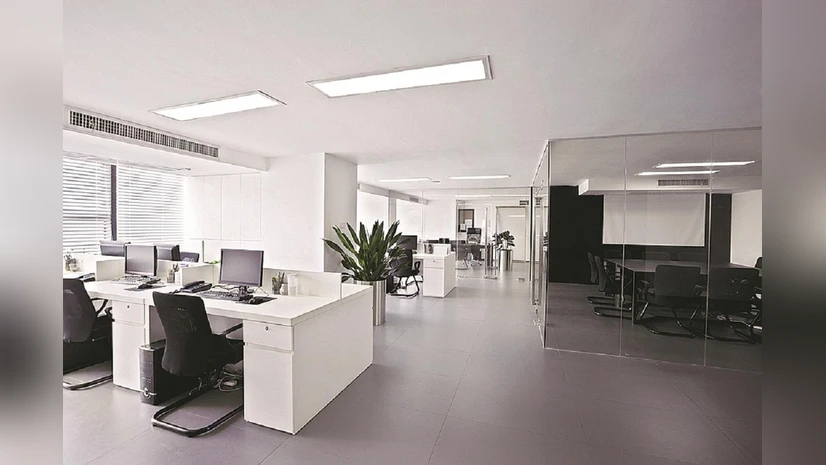
According to the latest national sentiment assessment jointly compiled by a global property consultancy and an industry body, both present and forward-looking confidence levels remained in optimistic territory during the October-December period. The current outlook edged up marginally from the previous quarter, while expectations for the next six months held firm, reflecting a broadly balanced view on demand, financing and economic conditions. Industry analysts say the stabilisation of India real estate sentiment is closely tied to visibility on inflation, interest rates and policy continuity. With domestic economic fundamentals remaining resilient, developers and investors have been able to plan with greater certainty, even as global geopolitical risks continue to influence capital flows. The moderation from the peak optimism seen in earlier years is being viewed as a sign of market maturity rather than weakness. Office real estate emerged as the primary anchor of confidence during the quarter. Leasing activity remained robust across major business districts, driven by sustained demand from Global Capability Centres and professional services firms. Limited availability of high-quality Grade A space in key cities has helped maintain occupancy levels and rental stability, reinforcing the sector’s role as a backbone of urban commercial growth. Funding conditions also showed improvement. A majority of surveyed stakeholders indicated that liquidity either stabilised or improved during the quarter, supported by selective but consistent lending and institutional investment. While capital providers are increasingly focused on asset quality and governance standards, access to finance remains available across residential, office and mixed-use developments. This has helped reduce stress in balance sheets and encouraged more prudent project execution.
Regional trends revealed broadly uniform optimism. Southern markets continued to lead sentiment, backed by strong technology-led office demand in cities such as Bengaluru and Hyderabad. Western and eastern regions also reported healthy confidence levels, while northern markets showed signs of recovery after softer conditions earlier in the year. Urban economists note that this convergence points to a more evenly distributed recovery across India’s major real estate hubs. There was, however, a divergence between institutional stakeholders and developers. Banks, financial institutions and private equity participants expressed stronger confidence in the medium-term outlook, while developers remained comparatively cautious. This gap reflects a continued emphasis on demand-led launches, controlled supply additions and capital efficiency rather than aggressive expansion. Residential markets contributed positively to sentiment, particularly in higher-value segments where demand has remained steady and supply calibrated. Analysts expect this measured approach to continue, aligning housing growth more closely with infrastructure readiness and end-user demand.
As India moves into 2026, the sector appears positioned for steady rather than spectacular growth. The challenge ahead will be maintaining liquidity discipline, aligning new supply with real demand and ensuring that real estate development continues to support inclusive, resilient and economically productive cities.
Also Read: Delhi property tax collections hit historic high
